
Over one million American homes have already switched to solar energy, but choosing the right certified installer in Florida can make all the difference. With the state’s unique regulations and climate challenges, not every installer meets the high standards needed for safe, efficient systems. This guide breaks down exactly what makes a certified solar professional in Florida and why their expertise is crucial for homeowners seeking reliable and lasting solar solutions.
Table of Contents
- Certified Solar Installers Explained For Florida
- Essential Qualifications And Training Requirements
- Licensing And Regulatory Standards In Florida
- Installer Responsibilities And Homeowner Protections
- Costs, Risks, And Comparing Alternatives
Key Takeaways
| Point | Details |
|---|---|
| Importance of Certified Installers | Selecting certified solar professionals ensures compliance with Florida’s specific regulations and high-quality installations. |
| Rigorous Training and Certification | Certified solar installers must complete specialized training, pass exams, and maintain ongoing education for expertise in solar technologies. |
| Consumer Protections in Installations | Homeowners should receive clear contract disclosures and performance guarantees to ensure transparency during the installation process. |
| Cost Considerations and Alternatives | Evaluating initial costs, long-term savings, and different solar system types is crucial for making informed decisions on solar investments. |
Certified Solar Installers Explained for Florida
Navigating the solar installation landscape requires understanding the critical role of certified solar professionals in Florida. These specialized technicians bring technical expertise, regulatory knowledge, and precision to transforming residential energy systems. Florida Solar Energy Industries Association resources highlight the importance of selecting qualified professionals who understand state-specific solar regulations and installation requirements.
Certified solar installers in Florida undergo rigorous training and certification processes that ensure high-quality, compliant solar system implementations. These professionals must demonstrate comprehensive knowledge about electrical systems, roof structural assessments, permitting procedures, and local building codes. Their expertise goes beyond simply mounting solar panels – they analyze energy consumption patterns, design customized solar solutions, and guarantee optimal system performance for Florida homeowners.
The certification process for solar installers in Florida involves multiple critical components. Professionals typically must complete specialized training programs, pass comprehensive examinations, and maintain ongoing education credits. Key certifications include North American Board of Certified Energy Practitioners (NABCEP) credentials, state electrical licensing, and specialized solar technology training. These requirements ensure that installers understand complex technical specifications, safety protocols, and emerging renewable energy technologies.
Pro Tip for Solar Installation Selection: Always verify a solar installer’s current certifications, request proof of insurance, and check their professional references before signing any contracts. A reputable certified solar professional will transparently share their credentials and demonstrate a track record of successful residential solar installations in Florida.
Essential Qualifications and Training Requirements
Becoming a certified solar installer in Florida requires navigating a complex landscape of professional credentials and technical expertise. Solar contractor licensing in Florida demands rigorous preparation, including comprehensive educational and practical experience requirements that ensure only highly qualified professionals enter the renewable energy sector. Prospective installers must demonstrate a sophisticated understanding of photovoltaic systems, electrical engineering principles, and state-specific solar installation regulations.
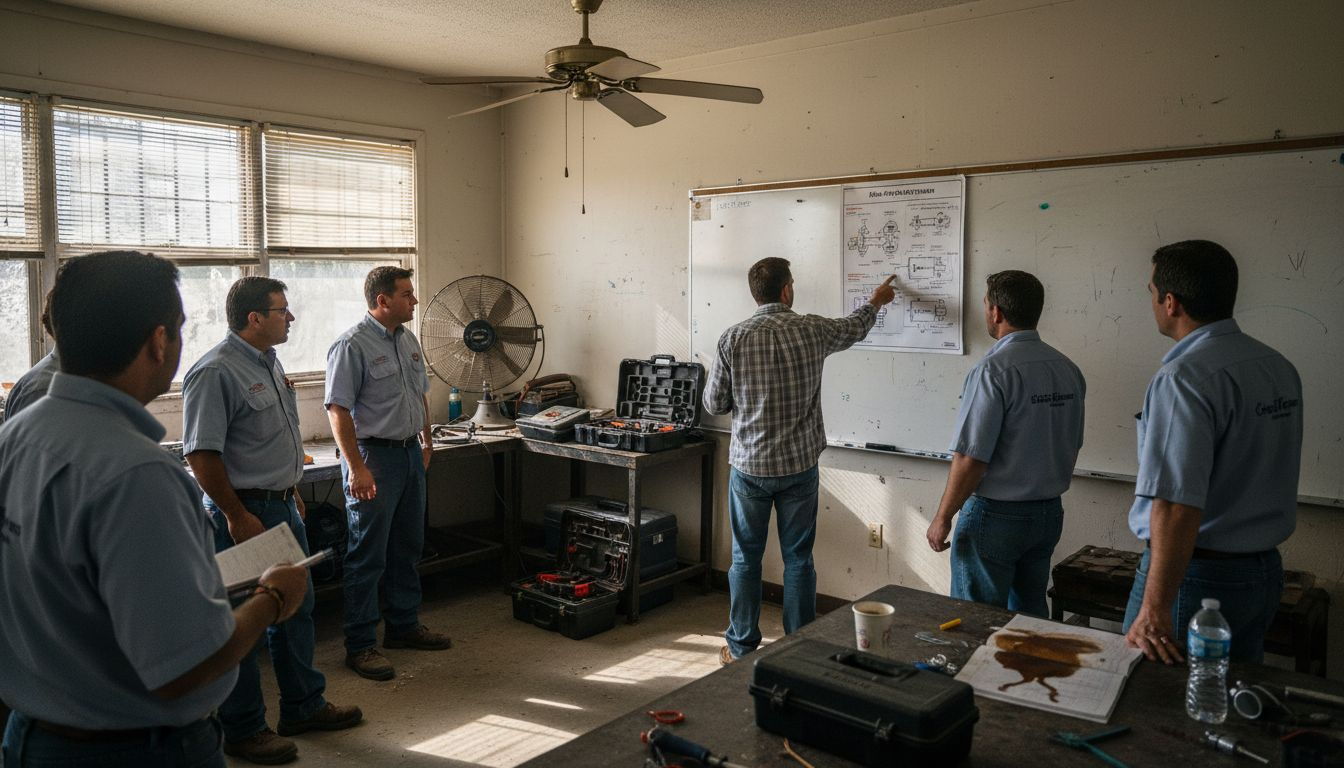
The qualification pathway for solar professionals involves multiple critical components. Candidates must typically accumulate four years of field experience, with at least one year in a supervisory role. Interestingly, the state allows some flexibility – up to three years of college credits can be substituted for practical experience. The certification process includes two mandatory examinations: a technical trade exam covering photovoltaic or thermal systems and a comprehensive Business and Financial Management exam that tests broader professional competencies.
Beyond technical knowledge, solar installers must meet stringent professional standards. Legal requirements for solar contractors include being at least 18 years old, demonstrating financial stability, and maintaining appropriate insurance coverage. Candidates undergo thorough background checks, including credit assessments and verification of professional references. These multifaceted requirements ensure that only the most capable and responsible professionals are entrusted with residential and commercial solar installation projects.
Pro Tip for Aspiring Solar Professionals: Start building your professional portfolio early by seeking apprenticeships, documenting your technical experiences, and maintaining meticulous records of your training and certifications. Your documentation will be crucial when applying for advanced solar installation credentials.
Here’s a summary of major solar certification and licensing pathways for installers in Florida:
| Credential Type | Requirements | Key Benefit |
|---|---|---|
| NABCEP Certification | Specialized coursework, technical exam, continuing education | Nationally recognized expertise |
| State Contractor License | Four years field experience or degree substitution, background check, age minimum | Legal authority to operate in Florida |
| Solar Technology Training | Hands-on workshops, emerging tech updates | Keeps skills current and relevant |
| Electrical License | Electrical systems knowledge, exam, apprenticeship | Ensures code-compliant installations |
Licensing and Regulatory Standards in Florida
Florida’s solar installation industry operates under a comprehensive regulatory framework designed to protect consumers and ensure professional standards. Certification qualifications from the Florida Department of Business and Professional Regulation provide nuanced pathways for professionals to enter the solar installation sector. These regulations create multiple entry routes, including combinations of academic credentials and practical experience that accommodate diverse professional backgrounds.
The state’s licensing requirements are particularly detailed, offering flexibility while maintaining high professional standards. Professionals can qualify through various combinations of education and work experience. For instance, individuals with a four-year construction-related degree might need only one additional year of specialized experience to become fully certified. This approach recognizes both academic preparation and practical skills, ensuring that solar installers possess comprehensive technical and practical knowledge.
Florida’s solar installation regulations extend beyond individual licensing to provide robust consumer protections. State laws explicitly prevent homeowner associations from blocking solar installations, though associations retain the right to establish reasonable aesthetic guidelines. These regulations balance property owner rights with renewable energy adoption, creating a supportive environment for solar technology implementation. The legal framework ensures that solar professionals can operate effectively while maintaining high standards of professional conduct and technical expertise.
Pro Tip for Solar Regulation Navigation: Always verify a solar installer’s current state licensing status and request documentation of their professional credentials before beginning any installation project. This simple step can protect you from potential legal and technical complications.
Installer Responsibilities and Homeowner Protections
The solar installation industry in Florida operates under a comprehensive framework of professional responsibilities designed to protect homeowners and ensure high-quality service. Consumer protection initiatives from FlaSEIA provide critical education for both contractors and consumers, establishing clear guidelines for ethical solar installation practices. These programs create a structured approach to transparency, helping homeowners understand their rights and installers’ obligations throughout the solar system implementation process.
Professional solar installers bear significant responsibilities beyond technical installation. They must provide detailed documentation, transparent pricing, and comprehensive system performance expectations. Comprehensive vetting of solar contractors involves verifying critical insurance coverage, including general liability and workers’ compensation. Homeowners should carefully examine contractors’ credentials, requesting proof of insurance, professional certifications, and documented installation history to mitigate potential financial and technical risks.
Key homeowner protections in Florida’s solar installation landscape include mandated contract disclosures, performance guarantees, and legal safeguards against unethical practices. Installers must provide clear written agreements detailing system specifications, expected energy production, warranty terms, and potential maintenance requirements. These documentation standards ensure homeowners have comprehensive understanding of their solar investment, protecting them from misleading claims or unexpected complications during or after installation.
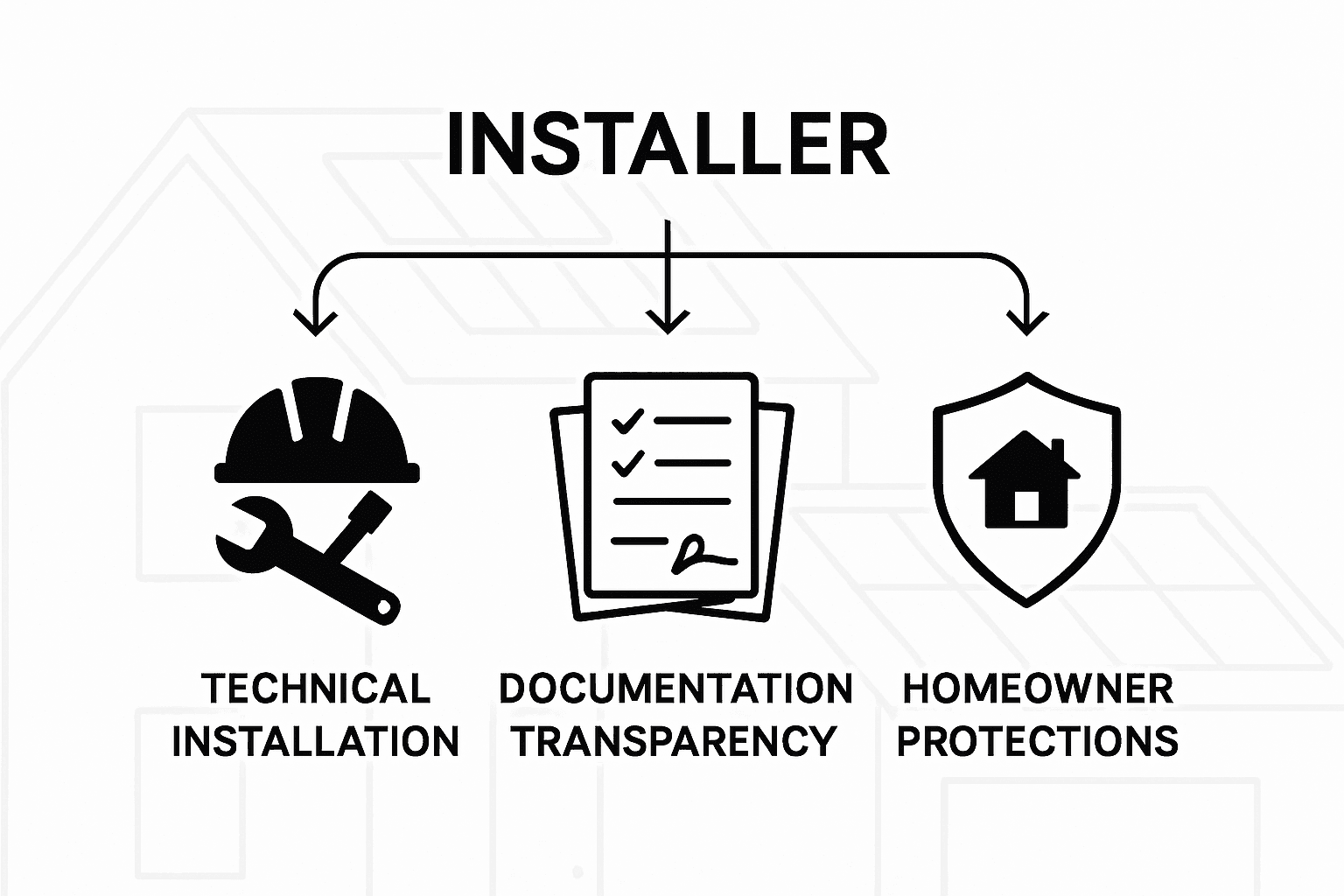
Pro Tip for Solar Installation Protection: Always request a comprehensive written contract that explicitly outlines system specifications, performance expectations, warranty details, and the installer’s specific responsibilities. This document serves as your primary defense against potential misunderstandings or substandard installation practices.
Costs, Risks, and Comparing Alternatives
Navigating solar installation requires a comprehensive understanding of financial implications and potential risks. Homeowners must carefully evaluate multiple factors beyond initial installation costs, including long-term energy savings, system performance, and potential property value improvements. Solar Installation Steps demonstrate that comprehensive planning can mitigate financial uncertainties and optimize investment potential.
The financial landscape of solar installations involves intricate considerations. Initial investment costs typically range from $15,000 to $25,000 before incentives, with payback periods varying between 7 to 12 years depending on energy consumption, system size, and local utility rates. Potential risks include equipment degradation, unexpected maintenance expenses, and fluctuating energy market conditions. Homeowners should conduct thorough cost-benefit analyses, considering factors such as roof condition, sun exposure, electricity rates, and available tax incentives to make informed decisions.
Comparing solar alternatives involves examining different technological approaches and financing mechanisms. Traditional grid-tied systems offer lower upfront costs and consistent energy production, while hybrid systems with battery storage provide increased energy independence but require higher initial investments. Leasing options and power purchase agreements present alternative financing strategies that can reduce initial expenses, though they may limit long-term financial benefits. Carefully evaluating these alternatives requires understanding personal energy needs, financial capabilities, and long-term sustainability goals.
Compare the main options for residential solar installations in Florida:
| System Type | Upfront Cost | Energy Independence | Typical Ownership |
|---|---|---|---|
| Grid-Tied | Lower | Limited | Homeowner/operator |
| Hybrid (with Battery) | Higher | High | Homeowner/operator |
| Lease or PPA | Minimal | Low | Third party |
Pro Tip for Solar Investment Analysis: Create a comprehensive spreadsheet comparing multiple solar installation scenarios, including upfront costs, projected energy savings, potential tax credits, and estimated system lifespan. This detailed approach will help you make a more informed and financially sound decision.
Trusted Certified Solar Installers Ready to Serve Florida Homeowners
Choosing the right certified solar installer is crucial for a successful and worry-free solar installation in Florida. This article highlights the importance of working with professionals who have proper certifications such as NABCEP and understand Florida’s specific regulations and licensing requirements. At PES Solar, we recognize these challenges and offer expert guidance to ensure your residential solar project meets all safety standards and maximizes energy savings.
Why struggle with uncertain installers when you can partner with certified experts who bring extensive knowledge and proven experience? Our team handles everything from system design and permitting to installation and financing options, helping you harness clean energy with confidence. Discover how our solutions, including advanced energy products like Tesla Powerwall batteries and REC solar panels, can increase your home’s value while lowering your energy bills.
Ready to take the first step toward reliable solar energy? Visit PES Solar to explore how our certified professionals simplify solar installation in Florida and offer customized solutions tailored to your needs. Learn more about our solar installation services and secure your free estimate today.
Empower your home with certified expertise you can trust. Contact us now at PES Solar and transform your energy future with confidence.
Frequently Asked Questions
What qualifications should I look for in a certified solar installer?
You should look for certifications such as NABCEP, a state contractor license, and proof of specific solar technology training. These qualifications ensure the installer has the necessary technical knowledge and experience.
How do certified solar installers in Florida ensure compliance with local regulations?
Certified solar installers undergo rigorous training and must stay updated with state-specific laws and building codes. They are also required to submit necessary permits and documentation to comply with local regulations during installation.
What are the responsibilities of certified solar installers when working on a solar installation project?
Certified solar installers are responsible for providing detailed documentation, ensuring transparent pricing, and setting clear performance expectations. They must also offer warranties and maintenance requirements to protect homeowners.
How can homeowners protect themselves when hiring a solar installer?
Homeowners should request a comprehensive written contract that outlines all system specifications, performance expectations, warranty details, and the installer’s specific responsibilities. Verifying credentials, insurance, and professional references before hiring is also essential.
Recommended
- What Are The Rules For Solar Panels In Florida? | PES Solar
- 3 Reasons To Install Solar Panels On Your Florida Home | PES Solar
- How Much Does It Cost To Install Solar Panels In Florida? | PES Solar
- Is It Worth Getting Solar Panels In Florida? | PES Solar
- Solar Panel Installation Gainesville FL
- Solar Panel Installation West Palm Beach, FL
