
Over eighty percent of American homeowners say that rising energy costs are pushing them to look for smarter solutions. For those living in Florida, the promise of lower utility bills and a future ready property is making solar panels more appealing than ever. Exploring the latest solar options lets you compare efficiency, durability, and style while learning how to tap into generous tax incentives and affordable financing designed just for Florida residents.
Table of Contents
- 1. Monocrystalline Solar Panels: High Efficiency and Long Life
- 2. Polycrystalline Solar Panels: Affordable and Reliable Choice
- 3. Thin-Film Solar Panels: Flexible Options for Unique Spaces
- 4. Bifacial Solar Panels: Maximizing Sunlight Capture
- 5. Building-Integrated Solar Panels: Seamless Design Benefits
- 6. Tesla Solar Panels and Powerwall: Smart Home Integration
- 7. REC Solar Panels: Superior Performance and Warranties
Quick Summary
| Takeaway | Explanation |
|---|---|
| 1. Choose Monocrystalline Panels for High Efficiency | They offer superior energy conversion efficiency, especially in hot climates like Florida, making them ideal for small installations. |
| 2. Polycrystalline Panels are Cost-Effective | These panels provide a budget-friendly alternative, especially for homes with larger roof areas, without significantly compromising performance. |
| 3. Consider Bifacial Panels for Increased Energy Yield | By capturing sunlight from both sides, bifacial panels can enhance energy production, especially in reflective ground settings. |
| 4. Explore Building-Integrated Solutions | BIPV technology integrates solar panels into building materials, combining aesthetics with energy generation, ideal for homeowners with design restrictions. |
| 5. Tesla Systems Provide Smart Energy Management | The combination of Tesla solar panels and Powerwall allows for efficient energy storage and usage, optimizing energy independence and reliability. |
1. Monocrystalline Solar Panels: High Efficiency and Long Life
Monocrystalline solar panels represent the gold standard for residential solar energy in Florida, offering homeowners a powerful solution for maximizing energy production in limited space. These sophisticated panels are crafted from single crystal silicon structures, which provide exceptional performance even under challenging environmental conditions.
Unlike other solar panel types, monocrystalline panels feature a distinctive uniform appearance with their characteristic dark black color and rounded edges. Their manufacturing process involves using high purity silicon crystals, which enables extraordinary electron movement and superior energy conversion efficiency ranging from 18% to 24%.
Homeowners in Florida will appreciate that monocrystalline panels excel in hot climates, maintaining strong performance even when temperatures rise. Their advanced crystal structure allows them to generate more electricity per square foot compared to polycrystalline alternatives, making them ideal for homes with smaller roof spaces or limited installation areas.
The longevity of these panels is another significant advantage. Typically lasting between 25 to 40 years, monocrystalline panels provide a robust long term investment for residential solar systems. Studies have demonstrated that their lower energy payback times mean homeowners can recoup their initial installation costs more quickly than with other panel technologies.
Pro tip: When considering monocrystalline panels, request performance warranties and compare efficiency ratings to ensure you select the highest quality panels for your specific Florida home environment.
2. Polycrystalline Solar Panels: Affordable and Reliable Choice
Polycrystalline solar panels represent an intelligent and budget friendly option for Florida homeowners seeking solar energy solutions without breaking the bank. These distinctive blue panels feature a unique speckled appearance that sets them apart from their monocrystalline counterparts, offering an attractive and practical alternative for residential solar installations.
Manufactured by melting multiple silicon fragments together, polycrystalline panels provide moderate efficiency typically ranging between 15% and 19%. While slightly less efficient than monocrystalline panels, they excel in scenarios where installation space is less constrained and cost effectiveness is a primary consideration.
For Florida homeowners with larger roof areas or expansive property, polycrystalline solar panels deliver exceptional value. Their lower production costs translate directly into more affordable upfront investments, making solar energy more accessible for budget conscious families. These panels generally maintain reliable performance over a 20 to 30 year lifespan, providing a dependable renewable energy solution.
The bluish coloration of polycrystalline panels results from their unique manufacturing process, where multiple silicon crystals are melted and molded together. This technique allows manufacturers to produce solar panels more economically compared to single crystal alternatives, without significantly compromising overall energy generation capabilities.
Pro tip: When evaluating polycrystalline panels, carefully measure your available installation space and compare cost per watt to ensure you select the most financially advantageous solar solution for your specific property.
3. Thin-Film Solar Panels: Flexible Options for Unique Spaces
Thin-film solar panels represent a revolutionary approach to solar energy generation, offering unprecedented flexibility and adaptability for Florida homeowners with unconventional installation spaces. Unlike traditional rigid solar panels, these innovative photovoltaic solutions can conform to curved surfaces, integrate seamlessly into building materials, and provide solar energy capture in scenarios where standard panels would be impractical.
These advanced solar panels are manufactured by depositing ultra-thin photovoltaic layers onto substrates like glass or plastic, creating lightweight and incredibly versatile energy generation systems. Common thin-film technologies include cadmium telluride (CdTe), amorphous silicon (a-Si), and copper indium gallium selenide (CIGS), each offering unique performance characteristics and installation possibilities.
While thin-film panels typically demonstrate lower efficiency compared to crystalline silicon panels, they excel in specific applications where traditional panels cannot be used. Their remarkable flexibility makes them ideal for integration into architectural elements such as building facades, vehicle surfaces, portable electronics, and even clothing. For Florida homeowners with complex roof structures or limited standard installation options, thin-film technology provides an innovative alternative.
The manufacturing process for thin-film solar panels allows for significant material reduction and lower production costs. This translates into more affordable solar solutions that can be customized to fit unique architectural designs and space constraints. Recent technological advancements continue to improve their energy conversion efficiency, making them an increasingly attractive option for residential solar energy systems.
Pro tip: When considering thin-film solar panels, carefully evaluate your specific installation environment and consult with a professional to determine whether their unique properties align with your energy generation goals and spatial constraints.
4. Bifacial Solar Panels: Maximizing Sunlight Capture
Bifacial solar panels represent a groundbreaking technology that dramatically increases energy production by capturing sunlight from both front and rear surfaces. These innovative panels go beyond traditional solar design, offering Florida homeowners an intelligent way to maximize their renewable energy potential even in challenging environmental conditions.
Unlike conventional solar panels that absorb light from only one side, bifacial panels utilize reflected sunlight to generate additional electricity. This unique design allows the panels to capture direct solar radiation from the sun and ambient light reflected off surrounding surfaces like ground, rooftops, or nearby structures, potentially increasing energy yield by up to 30 percent.
The performance of bifacial solar panels depends significantly on installation configuration and environmental factors. Ground reflectivity plays a crucial role in their effectiveness white or light colored surfaces such as concrete, sand, or specially designed reflective grounds can enhance energy capture. For Florida homeowners with expansive properties or creative installation opportunities, bifacial panels offer an exciting opportunity to optimize solar energy production.
Special mounting techniques can further enhance the performance of bifacial panels. Elevated installations with increased ground clearance and strategic positioning can amplify reflected light absorption, transforming previously underutilized spaces into efficient energy generation platforms. This flexibility makes bifacial technology particularly appealing for residential solar systems with unique architectural constraints.
Pro tip: When considering bifacial solar panels, consult with a professional solar installer who can assess your specific property characteristics and recommend optimal mounting strategies to maximize your energy generation potential.
5. Building-Integrated Solar Panels: Seamless Design Benefits
Building integrated solar panels represent a revolutionary approach to solar energy that transforms traditional architectural surfaces into dynamic power generation systems. These innovative panels seamlessly blend renewable energy technology with building design, offering Florida homeowners an elegant solution to energy production that goes far beyond conventional solar installations.
Building integrated photovoltaics (BIPV) are designed to replace traditional building materials while simultaneously generating electricity. Instead of mounting solar panels on top of existing structures, BIPV systems incorporate photovoltaic modules directly into building components such as roofs, facades, windows, and exterior shading elements. This approach creates a dual-purpose system that generates clean energy while maintaining or enhancing architectural aesthetics.
For Florida homeowners, BIPV technology offers multiple compelling advantages. These systems can improve thermal comfort by providing additional insulation and shading, potentially reducing cooling and heating energy demands. The integrated design eliminates the need for separate mounting equipment, streamlining installation and reducing overall construction costs. Moreover, BIPV panels can be customized to match various architectural styles, ensuring that solar energy generation does not compromise a home’s visual appeal.
Advanced BIPV technologies now include options like solar roof tiles, transparent solar windows, and facade panels that generate electricity without disrupting a building’s external appearance. These solutions are particularly attractive in Florida, where stringent homeowners associations and design regulations often restrict traditional solar panel installations. By integrating solar generation directly into building materials, homeowners can comply with aesthetic guidelines while still pursuing renewable energy goals.
Pro tip: Consult with an architect or solar design specialist who specializes in building integrated photovoltaics to explore custom solutions that match your home’s unique architectural style and energy requirements.
6. Tesla Solar Panels and Powerwall: Smart Home Integration
Tesla solar panels and Powerwall systems represent the cutting edge of residential energy technology, offering Florida homeowners an intelligent and seamless approach to renewable energy management. This innovative solution transforms traditional solar installations into sophisticated smart home ecosystems that optimize energy production, storage, and consumption.
The Tesla Powerwall is a revolutionary home battery storage system designed to capture and store excess solar energy generated during peak sunlight hours. Unlike traditional solar setups, this integrated technology allows homeowners to utilize stored energy during evening hours, during power outages, or when electricity rates are highest, effectively maximizing energy independence and cost savings.
Tesla solar panels work in perfect synchronization with the Powerwall, creating an intelligent energy network that adapts to your household’s specific consumption patterns. The system includes advanced monitoring capabilities that enable real time tracking of energy production, storage, and usage through a user friendly smartphone application. This level of detailed insight empowers homeowners to make informed decisions about their energy consumption and optimize their overall energy efficiency.
The seamless integration of Tesla solar technology extends beyond simple energy storage. The system can automatically switch between solar generation, battery storage, and grid power, ensuring uninterrupted electricity supply during various scenarios. For Florida residents dealing with frequent storms and potential power disruptions, this smart home solution provides peace of mind and reliable backup power when traditional electrical grids fail.
Pro tip: Consult with a certified Tesla solar installer to conduct a comprehensive energy assessment of your home, ensuring you select the optimal panel configuration and Powerwall capacity for your specific energy needs and budget.
7. REC Solar Panels: Superior Performance and Warranties
REC solar panels represent a pinnacle of solar technology, offering Florida homeowners an exceptional blend of performance, durability, and long term reliability. These advanced photovoltaic systems are engineered to deliver superior energy production while withstanding the challenging environmental conditions unique to the Sunshine State.
Designed with cutting edge heterojunction technology, REC solar panels provide remarkable efficiency that outperforms many traditional solar panel offerings. Their innovative construction allows for enhanced energy generation even in high temperature environments, making them particularly well suited for Florida’s intense sunlight and warm climate.
One of the most compelling aspects of REC solar panels is their industry leading warranty protection. These panels typically come with comprehensive warranties that cover both product manufacturing defects and energy production performance for up to 25 years. This extended warranty provides Florida homeowners with significant peace of mind, ensuring their solar investment remains protected and continues delivering optimal energy output throughout its lifecycle.
REC panels are specifically engineered to withstand extreme weather conditions, including high humidity, intense UV exposure, and potential storm impacts common in Florida. Their robust design incorporates advanced materials and manufacturing techniques that minimize performance degradation, allowing homeowners to maintain consistent energy production year after year.
Pro tip: When evaluating REC solar panels, carefully review the warranty transfer process and documentation requirements to ensure you can maintain full warranty coverage if you decide to sell your home in the future.
Below is a comprehensive table summarizing the key characteristics, advantages, and ideal applications of the various types of solar panels discussed in the article.
| Solar Panel Type | Key Characteristics | Advantages | Ideal Applications |
|---|---|---|---|
| Monocrystalline | Made of single silicon crystals; high efficiency (18%-24%); distinctive black color. | High energy conversion; long lifespan (25-40 years); suitable for small spaces. | Homes with limited installation areas. |
| Polycrystalline | Comprised of multiple silicon fragments; efficiency of 15%-19%; bluish color. | Lower cost; effective for larger spaces; good reliability. | Homes with larger roof areas and budget constraints. |
| Thin-Film | Ultra-thin layers on substrates; diverse material options like CdTe and a-Si. | Flexible and lightweight; adaptable to curved or unconventional surfaces. | Areas where traditional panels are impractical. |
| Bifacial | Captures sunlight on both front and rear surfaces; uses reflected light. | Increased energy yield (up to 30%); effective with reflective grounds. | Properties with high reflectivity surfaces. |
| BIPV | Includes solar modules in building materials like roofs and facades. | Seamless design; improves insulation; reduces construction costs. | Buildings with aesthetic and design considerations. |
| TESLA Solar Panels & Powerwall | Integrated smart systems with storage solutions. | Real-time energy management; supports independent and reliable electricity. | Homes opting for advanced smart energy ecosystems. |
| REC | Made with heterojunction technology; high temperature tolerance. | Exceptional durability; long warranties up to 25 years. | Homes in high temperature and humid environments. |
Choose the Right Solar Solution for Your Florida Home Today
Navigating the variety of solar panel options available for Florida homeowners can be overwhelming. Whether you are considering monocrystalline panels for their efficiency, thin-film options for unique spaces, or Tesla Powerwall integration for energy independence, the key challenge is finding a trusted partner who understands Florida’s specific climate and your individual energy goals. You deserve a solar system that not only lowers your energy bills but also maximizes long-term value while fitting your property’s unique needs.
At PES Solar, we specialize in personalized solar solutions including top brands like REC solar panels and Tesla Powerwall batteries. Our experienced team will guide you through choosing the perfect solar technology backed by extensive warranties and expert installation.
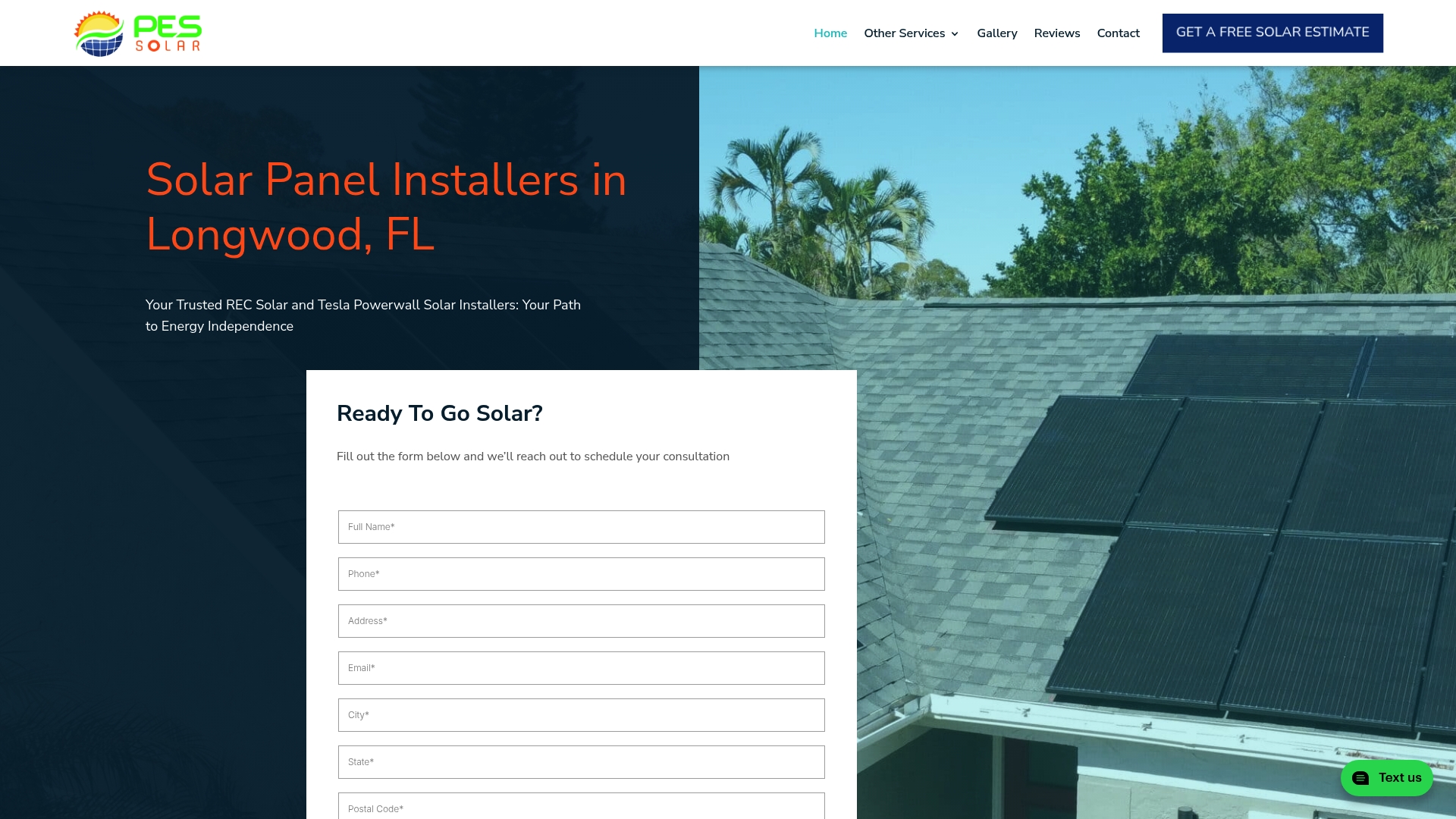
Ready to experience the benefits of renewable energy tailored to your Florida home? Visit PES Solar’s website to get your free estimate and learn more about our comprehensive solar energy services. Take the first step today toward energy savings and a greener future with PES Solar.
Frequently Asked Questions
What are monocrystalline solar panels, and why are they recommended for Florida homeowners?
Monocrystalline solar panels are made from single crystal silicon, offering high efficiency (18% to 24%) and excellent performance in hot climates. Consider installing these panels if you have limited roof space, as they generate more electricity per square foot.
How do polycrystalline solar panels compare to monocrystalline panels for budget-conscious homeowners?
Polycrystalline solar panels are generally more affordable than monocrystalline options, with efficiency ranging from 15% to 19%. If you have ample roof space, these panels can still provide reliable energy production without a hefty investment.
What are the unique advantages of thin-film solar panels for homeowners?
Thin-film solar panels are lightweight and flexible, allowing installation in unconventional spaces and on curved surfaces. If your home has complex roof structures, consider these panels for their adaptability and lower production costs.
How can bifacial solar panels increase energy production for my home?
Bifacial solar panels capture sunlight from both their front and rear surfaces, potentially increasing energy yield by up to 30%. If you have reflective surfaces near your installation, such as light-colored concrete, you can significantly enhance energy capture with this technology.
What is Building Integrated Photovoltaics (BIPV), and how can it benefit my home?
BIPV systems replace traditional building materials with solar panels, providing energy generation while maintaining aesthetics. Consider consulting a design specialist to evaluate how BIPV can complement your home’s architecture and insulation needs.
How does the Tesla Powerwall work with solar panels, and should I consider it?
The Tesla Powerwall stores excess solar energy for use during power outages or peak hours, enhancing energy independence. If you’re interested in maximizing your solar energy efficiency and reliability, explore how this system can be integrated into your overall energy plan.
Recommended
- 7 Key Benefits Of Solar Panels Every Florida Homeowner Should Know
- 6 Types Of Solar Panels Homeowners Should Know
- 7 Commercial Solar Best Practices For Florida Properties
- 3 Reasons To Install Solar Panels On Your Florida Home | PES Solar
- Solar Panel Installation Winter Park FL
- Solar Panel Installation Pine Hills FL
