
More than half of American businesses are now looking for ways to save on energy while supporting a cleaner environment. For Florida business owners, making the switch to commercial solar is not just smart—it delivers measurable cost reductions and a positive environmental impact. Understanding the critical steps behind a solar installation helps you avoid common pitfalls and set your business up for long-term energy independence.
Table of Contents
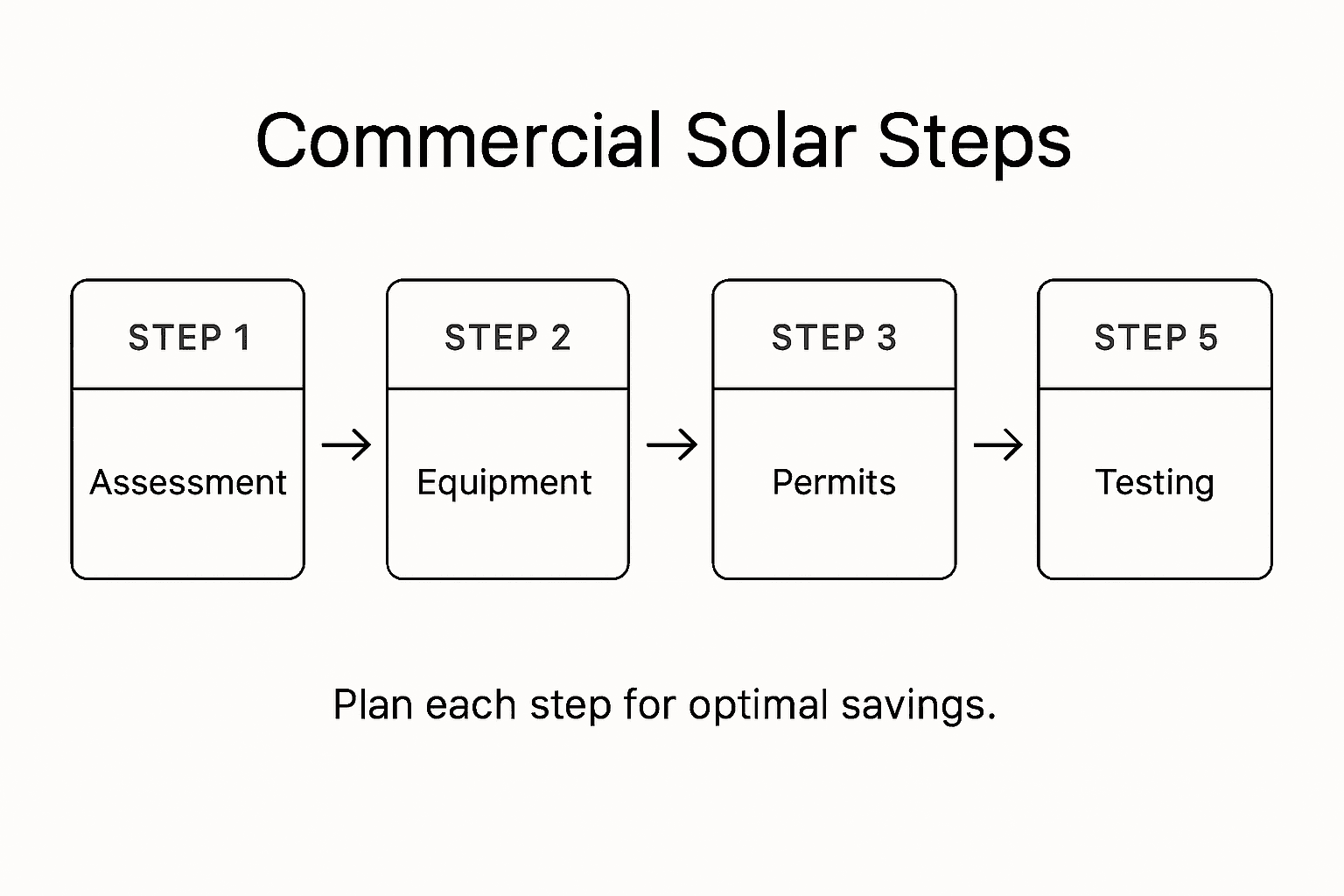
- Step 1: Assess Facility and Energy Needs
- Step 2: Select Solar Equipment and Financing
- Step 3: Obtain Permits and Schedule Installation
- Step 4: Install Solar Panels and Components
- Step 5: Test System Performance and Commission
Quick Summary
| Key Insight | Explanation |
|---|---|
| 1. Conduct a Detailed Energy Audit | Review 12-24 months of utility bills to identify energy consumption patterns for accurate solar system sizing. |
| 2. Assess Site for Solar Potential | Evaluate roof integrity, orientation, and shading to design an effective solar installation tailored to your facility. |
| 3. Choose Appropriate Solar Equipment | Select high-efficiency panels and compatible inverters to maximize performance based on your facility’s needs. |
| 4. Navigate Permitting Requirements | Prepare necessary documentation and understand local regulations to streamline the solar installation process. |
| 5. Test and Commission the System | Perform thorough performance tests and generate documentation to ensure reliability and efficiency after installation. |
Step 1: Assess Facility and Energy Needs
Before installing a commercial solar system, understanding your facility’s unique energy landscape is critical. This comprehensive assessment will determine the optimal solar strategy that maximizes your financial returns and energy efficiency. By carefully analyzing your current energy consumption patterns, physical infrastructure, and potential solar generation capacity, you can design a solar solution tailored precisely to your business needs.
The assessment process begins with a detailed energy audit that examines your facility’s historical electricity usage. You’ll want to review 12 to 24 months of utility bills to identify baseline consumption, peak demand periods, and seasonal variations. Analyzing facility energy profiles helps pinpoint exactly how much solar capacity you’ll require to offset your current electricity expenses. Critical factors include total kilowatt-hour consumption, time of use rates, demand charges, and potential load shifting opportunities that could further reduce your energy costs.
Next, conduct a comprehensive site evaluation focusing on solar panel placement and system design potential. This involves assessing roof structural integrity, available square footage, orientation, shading conditions, and potential mounting locations. Electrical infrastructure compatibility is equally important – your current electrical systems must support the proposed solar installation. Professional solar engineers will perform detailed solar irradiance measurements and use advanced modeling tools to predict exact energy generation potential for your specific location.
Pro Tip: Request multiple professional energy assessments to cross-validate potential solar generation estimates and ensure you receive the most accurate projection for your commercial solar investment.
Here’s a summary of key factors for a successful commercial solar assessment:
| Assessment Factor | Why It Matters | Business Impact |
|---|---|---|
| Historical Energy Usage | Identifies consumption trends | Enables accurate system sizing |
| Physical Infrastructure | Determines system placement | Prevents installation setbacks |
| Solar Generation Potential | Predicts energy output | Maximizes financial returns |
| Electrical Compatibility | Ensures stable integration | Reduces risk of outages |
Step 2: Select Solar Equipment and Financing
Choosing the right solar equipment and financing strategy is crucial for maximizing your commercial solar investment. This step involves carefully evaluating solar panel technologies, inverter systems, mounting solutions, and the most advantageous financial approach that aligns with your business goals and budget constraints.
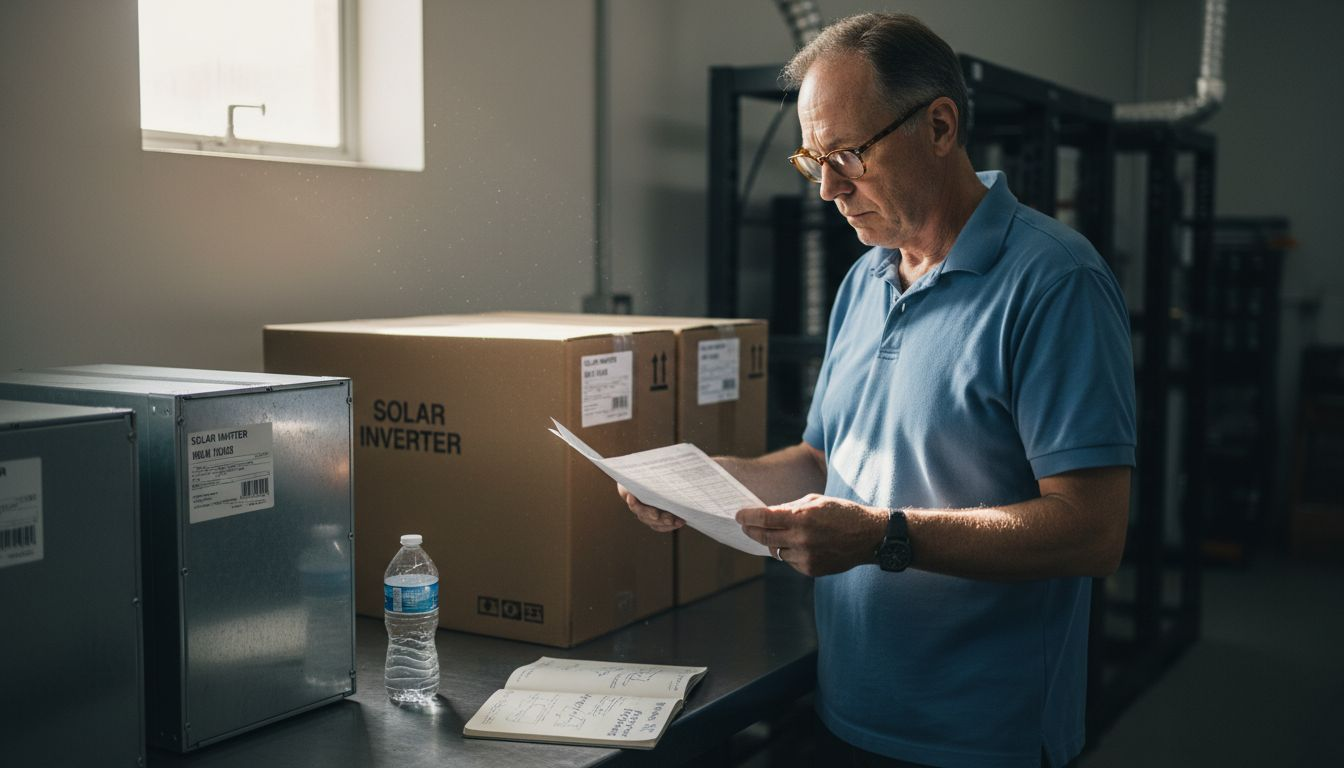
When selecting solar equipment, focus on high-efficiency panels that offer the best performance for your specific facility. Monocrystalline and polycrystalline panels each have unique advantages, with monocrystalline typically providing higher efficiency but at a greater cost. Consider factors like temperature coefficient, warranty length, and manufacturer reputation. Inverter selection is equally critical – string inverters work well for consistent roof layouts, while microinverters offer more flexibility for complex installations with potential shading issues.
Commercial solar financing mechanisms present multiple options for funding your solar project. Power Purchase Agreements (PPAs) allow you to avoid upfront costs by paying for generated electricity at a predetermined rate. Direct purchase provides maximum long-term savings and tax benefits, while leasing offers lower initial investment with predictable monthly payments. Your choice depends on factors like available capital, tax situation, and desired level of system ownership. Many businesses leverage federal tax credits and local incentives to significantly reduce overall project expenses.
Pro Tip: Consult a tax professional to fully understand how different solar financing strategies can optimize your specific financial benefits and maximize potential tax incentives.
Here’s how popular commercial solar financing options compare:
| Financing Option | Upfront Cost | Ownership Benefits | Risk Level |
|---|---|---|---|
| Power Purchase Agreement | No initial payment | Lower control over system | Low (provider managed) |
| Direct Purchase | High initial cost | Full ownership, max savings | Moderate (business owned) |
| Leasing | Lower initial cost | Limited ownership, steady fees | Low (fixed payments) |
Step 3: Obtain Permits and Schedule Installation
Navigating the permitting process is a critical step in your commercial solar project that requires careful attention to local regulations and utility requirements. This phase transforms your solar design from concept to actionable plan, ensuring legal compliance and setting the stage for a smooth installation.
Permitting processes for commercial solar installations involve complex interactions with local jurisdictions, building departments, and utility providers. You will need to compile a comprehensive application package that typically includes detailed system design drawings, electrical schematics, structural engineering reports, and site plans. Each municipality has unique requirements, so research your specific local regulations carefully. Some jurisdictions may require additional documentation like zoning compliance letters, environmental impact assessments, or neighborhood association approvals.
Scheduling the installation requires coordinating multiple professional teams including solar technicians, electricians, and potentially structural engineers. Work closely with your solar installation company to develop a realistic timeline that accounts for permit review periods, which can range from two weeks to several months depending on local government efficiency. Request expedited review if possible, and ensure all documentation is meticulously prepared to prevent unnecessary delays. Your installer should manage most of the permitting complexities, but staying proactively involved helps maintain project momentum.
Pro Tip: Maintain digital copies of all permit documents and communications in a centralized folder to streamline tracking and quickly respond to any questions from local authorities.
Step 4: Install Solar Panels and Components
The installation of solar panels and related components represents the most critical phase of your commercial solar project, transforming your carefully designed plans into a functional energy generation system. This stage requires precision, expertise, and strict adherence to technical and safety standards that will determine your solar array’s long-term performance and reliability.
Solar installation best practices involve a systematic approach that begins with preparing the mounting infrastructure. Your installation team will first secure robust racking systems to your facility’s roof or ground mount location, ensuring they can withstand local wind loads and structural requirements. Precise panel positioning is crucial for maximizing solar exposure and energy production. Technicians will carefully align panels to optimize angle and orientation, typically using specialized mounting hardware that allows for minimal penetration of existing roof surfaces and maximum load distribution.
The electrical integration represents the most complex aspect of the installation process. Skilled electricians will connect solar panels using specialized wiring, inverters, and connection points that comply with national electrical codes. This involves carefully routing electrical conduits, installing string or microinverters, and creating a seamless connection to your facility’s primary electrical system. Grounding equipment, surge protection, and detailed circuit mapping are essential to ensure system safety and optimal power conversion. Throughout the installation, multiple quality control checkpoints will verify each component’s proper placement, electrical connection, and alignment with your original system design.
Pro Tip: Request comprehensive documentation of your installation process, including photographs and precise electrical diagrams, which can be invaluable for future maintenance and potential insurance or tax credit requirements.
Step 5: Test System Performance and Commission
The system commissioning process represents the final critical validation phase of your commercial solar installation, ensuring that every component functions exactly as designed and meets all performance specifications. This comprehensive evaluation confirms your solar investment will deliver the expected energy generation, financial savings, and operational reliability.
Solar system commissioning protocols involve a meticulous series of mechanical, electrical, and performance tests that systematically verify each solar array component. Professional technicians will conduct comprehensive electrical continuity checks, measure voltage and current outputs, test inverter functionality, and validate grounding systems. They will also perform advanced diagnostic assessments using specialized equipment to confirm that your solar installation matches the original design specifications and complies with all relevant electrical and safety standards.
During the final commissioning stage, your installation team will generate detailed performance documentation, including baseline energy production measurements, system efficiency ratings, and comprehensive test results. This documentation serves multiple critical purposes: it provides a benchmark for future maintenance, supports warranty claims, and creates a formal record of your system’s initial performance characteristics. Typically, your solar provider will walk you through the commissioning results, explaining key performance metrics and answering any questions about system operation, maintenance requirements, and expected energy generation.
Pro Tip: Schedule a comprehensive system performance review six months after installation to identify any minor adjustments needed and ensure your solar array continues operating at peak efficiency.
Maximize Your Commercial Solar Savings with Expert Support
Installing a commercial solar system involves careful assessment, equipment selection, and navigating complex permitting and installation processes. These challenges can feel overwhelming when trying to secure maximum financial savings and energy efficiency for your business. From evaluating your facility’s energy usage and choosing the right solar panels to managing financing options and commissioning your system, every step requires expert guidance to avoid costly delays and ensure peak performance.
At PES Solar, we specialize in turning these complex steps into simple, actionable solutions tailored for Florida businesses. Our team helps you analyze your energy needs, select high-quality equipment like REC solar panels, and explore financing options that best fit your goals. With extensive experience managing all permitting and installation stages, we make sure your commercial solar project complies with local regulations and delivers lasting savings.
Ready to take control of your energy costs and reap the full benefits of solar power? Explore our commercial solar services today and get started on a customized solar solution. Let us guide you through every phase so you can enjoy lower energy bills, increased property value, and peace of mind knowing your investment is optimized. Visit PES Solar now to schedule your free consultation and discover how solar can transform your business.
Frequently Asked Questions
How do I assess my facility’s energy needs before installing commercial solar?
To assess your facility’s energy needs, start with a comprehensive energy audit by reviewing 12 to 24 months of utility bills. This will help identify your baseline energy usage, peak demand periods, and potential savings opportunities.
What factors should I consider when selecting solar equipment for my commercial solar project?
When choosing solar equipment, focus on high-efficiency solar panels, suitable inverters, and reliable mounting solutions. Evaluate factors like the temperature coefficient, warranty length, and brand reputation to ensure optimal performance for your specific installation.
How can I navigate the permitting process for my commercial solar installation?
To navigate the permitting process, gather all necessary documentation, such as system design drawings and electrical schematics, and research local regulations specific to solar installations. Submit a comprehensive application and maintain proactive communication with local authorities to expedite the review.
What should I expect during the installation of my commercial solar system?
During installation, expect your team to secure mounting systems, position panels for optimal solar exposure, and connect electrical components. Ensure that skilled electricians and solar technicians follow strict safety standards and perform multiple quality checks throughout the installation process.
How do I test the performance of my commercial solar system once it’s installed?
After installation, the commissioning process involves a series of tests to verify system performance and ensure compliance with electrical standards. Schedule these tests to check electrical continuity, voltage outputs, and obtain performance documentation that benchmarks your solar system’s efficiency.
How can I maximize my savings from a commercial solar installation?
To maximize savings, explore various financing options such as Power Purchase Agreements or direct purchase methods, while leveraging tax credits and incentives. Consider consulting a tax professional to identify the best financial strategy that aligns with your business goals.
Recommended
- Do You Really Save Money Installing Solar Panels? | PES Solar
- Cut Costs With Solar: Save On Energy Bills | PES Solar
- Are Solar Panels A Good Financial Investment? | PES Solar
- Fund Your Solar Panels: Florida Financing Guide | PES Solar
- Solar Panel Installation Gainesville FL
- Solar Panel Installation West Palm Beach, FL
