
Most American homeowners in Florida see over 230 days of sunshine each year, making the region perfect for solar panel installation. Rising energy bills and a growing demand for sustainability drive residents to search for smarter solutions that deliver long-term financial savings. This guide reveals how Floridians can tap into solar power, take advantage of generous incentives, and make eco-friendly upgrades that truly impact their monthly costs.
Table of Contents
- Solar Energy Basics In Florida
- Types Of Solar Solutions Available
- How Solar Energy Systems Work
- Florida Solar Incentives And Laws
- Installation Costs And Savings
- Common Pitfalls To Avoid
Key Takeaways
| Point | Details |
|---|---|
| Florida is ideal for solar energy | Thanks to its abundant sunshine, Florida is a leading location for renewable solar power generation. |
| Diverse solar technologies available | Homeowners can choose from various solar solutions, including photovoltaic and solar thermal systems, tailored to their energy needs. |
| Financial incentives enhance value | Florida offers significant incentives like tax credits and rebates, making solar investments more financially attractive. |
| Avoid common installation mistakes | Proper site assessments and equipment selection are crucial to ensure optimal system performance and to avoid additional costs. |
Solar Energy Basics in Florida
Florida stands as an exceptional location for solar energy, boasting abundant sunshine that transforms the state into a prime destination for renewable power generation. The Florida Solar Energy Center conducts comprehensive research on solar technologies specifically designed for the state’s unique climate and energy landscape, positioning Florida at the forefront of solar innovation.
Solar energy in Florida primarily operates through two fundamental technologies: photovoltaic (PV) systems and solar thermal methods. Photovoltaic systems convert sunlight directly into electricity, while solar thermal technologies harness solar radiation to heat fluids for domestic and industrial applications. Florida’s geographic advantages make these renewable energy approaches particularly effective, with the state receiving approximately 230 days of sunshine annually.
The technological framework of solar energy in Florida involves sophisticated semiconductor materials within solar panels that capture solar radiation and transform it into usable electrical current. These panels typically consist of multiple photovoltaic cells made from silicon, which generate direct current electricity when exposed to sunlight. Inverter systems then convert this direct current into alternating current compatible with residential and commercial electrical grids, enabling seamless integration of solar power into existing infrastructure.
Pro tip: Before investing in solar panels, conduct a comprehensive solar assessment of your property to determine optimal panel placement and potential energy generation capacity.
Types of Solar Solutions Available
Florida offers a diverse range of solar energy solutions designed to meet various residential and commercial power needs. The Florida Solar Energy Center supports comprehensive testing and certification of multiple solar technologies, ensuring residents have access to high-quality and reliable renewable energy options. These solutions primarily encompass photovoltaic (PV) systems, solar thermal technologies, and specialized energy conversion approaches.
PV technologies represent the most common solar solution, featuring three primary panel types: monocrystalline, polycrystalline, and thin-film panels. Solar technologies vary significantly in efficiency, cost, and application suitability, allowing Florida homeowners to select systems matching their specific energy requirements. Monocrystalline panels offer the highest efficiency rates, polycrystalline panels provide more affordable options, and thin-film panels excel in flexible installation scenarios.
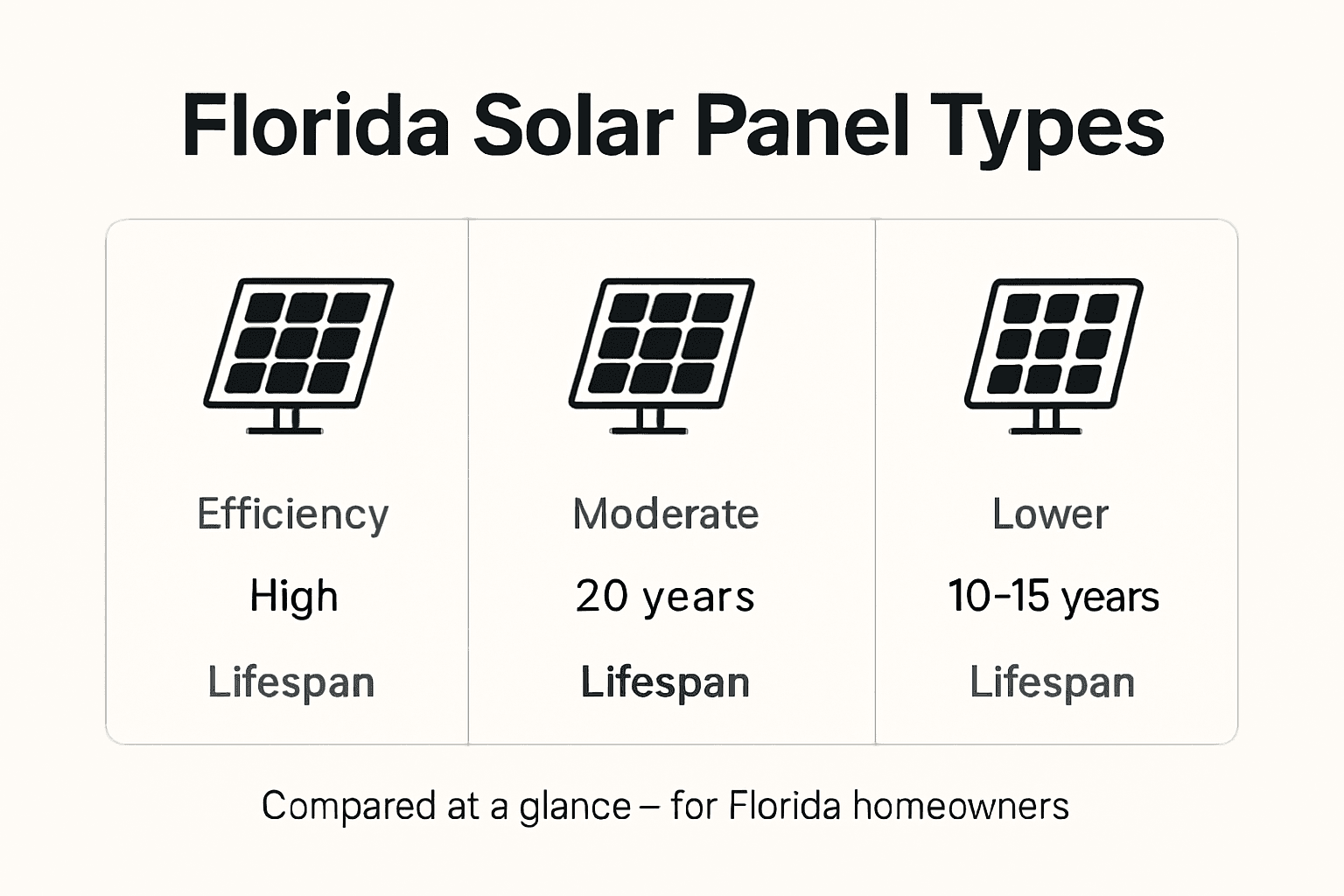
Here’s a comparison of major photovoltaic (PV) panel types suitable for Florida homeowners:
| Panel Type | Efficiency Range | Durability | Typical Installation Scenario |
|---|---|---|---|
| Monocrystalline | 18% to 22% | High, 25+ years | Rooftop, space-limited homes |
| Polycrystalline | 15% to 17% | Moderate, 20-25 years | Budget-focused installations |
| Thin-film | 10% to 13% | Lower, 10-15 years | Flexible/applications, large areas |
Beyond traditional PV systems, solar solutions in Florida also include solar thermal technologies designed for water heating, space conditioning, and industrial applications. These systems capture solar radiation and convert it into thermal energy, providing alternative approaches to energy generation. Concentrated solar power (CSP) technologies represent another innovative option, utilizing mirrors and lenses to focus sunlight and generate electricity through heat-driven turbines.
Pro tip: Consult with a professional solar assessment expert to determine the most suitable solar solution for your specific property’s energy consumption and structural characteristics.
How Solar Energy Systems Work
Solar energy systems convert sunlight into usable electricity through a sophisticated process of energy transformation. Solar photovoltaic (PV) systems utilize semiconductor materials like silicon to generate electrical current, creating a remarkable technological solution for renewable power generation. At the core of these systems are solar panels composed of numerous interconnected photovoltaic cells that capture and convert solar radiation.
The fundamental mechanism involves the photovoltaic effect, where sunlight strikes semiconductor materials, causing electrons to be released and generating direct current (DC) electricity. This initial electrical output passes through an inverter system, which transforms the DC electricity into alternating current (AC) electricity compatible with standard household electrical systems and the broader power grid. The efficiency of this conversion depends on factors like panel design, semiconductor quality, and environmental conditions such as sunlight intensity and panel orientation.
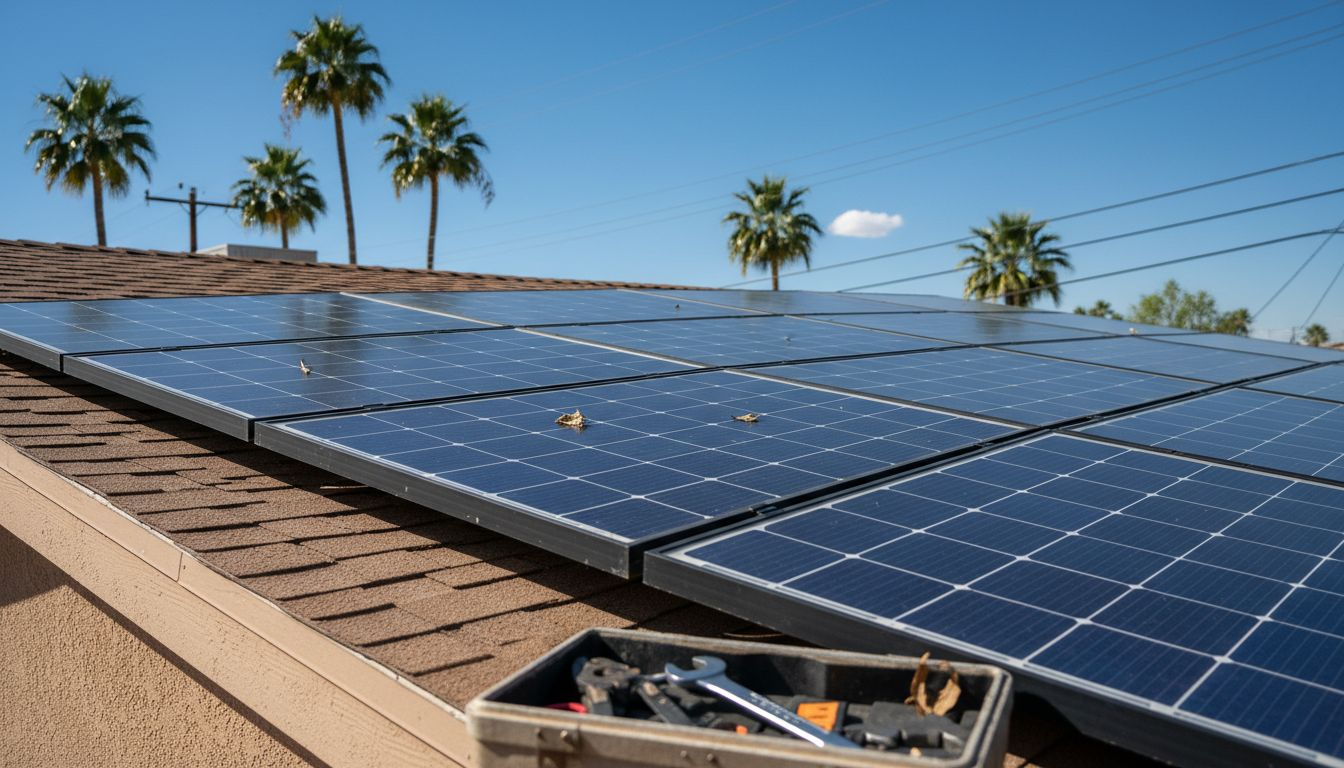
Each solar panel contains multiple photovoltaic cells strategically arranged to maximize light absorption and energy conversion. When photons from sunlight interact with the semiconductor material, they dislodge electrons, creating an electrical flow. Modern solar systems often incorporate additional technologies like microinverters, power optimizers, and battery storage solutions to enhance energy capture, conversion efficiency, and overall system performance. These advanced components enable more precise energy management and provide greater flexibility in how solar-generated electricity is utilized.
Pro tip: Consider scheduling a professional solar assessment to understand your specific property’s unique solar energy potential and optimal system configuration.
Florida Solar Incentives and Laws
Florida’s solar incentive landscape offers significant financial opportunities for homeowners and businesses investing in renewable energy technologies. The state has implemented comprehensive policies through the 2006 Florida Renewable Energy Technologies and Energy Efficiency Act, designed to encourage solar adoption by providing strategic financial benefits. These incentives include property tax exemptions, sales tax exemptions, and performance-based rebate programs that make solar installations more economically attractive for Florida residents.
The federal solar investment tax credit and state-level incentives work in tandem to reduce the overall cost of solar system installations. Homeowners can currently claim a significant percentage of their solar installation costs as a federal tax credit, which can be applied across multiple years. Additionally, Florida provides unique benefits such as property tax exemptions for solar energy systems, ensuring that the added value of solar installations does not increase a property’s taxable value, thus protecting homeowners from potential tax increases.
The Database of State Incentives for Renewables & Efficiency (DSIRE) tracks comprehensive solar policy information that demonstrates Florida’s commitment to renewable energy development. Key legal frameworks protect solar access rights, prevent homeowners associations from blocking solar installations, and establish net metering policies that allow residents to receive credit for excess electricity generated by their solar systems. These regulations create a supportive environment for solar energy adoption, making Florida an increasingly attractive state for renewable energy investments.
Below is a summary of common financial benefits and incentives for Florida solar investors:
| Incentive Type | Benefit Description | Typical Savings Impact |
|---|---|---|
| Federal Tax Credit | Claims 30% of installation cost | Lowers upfront expense |
| Property Tax Exemption | Added value not taxed | Prevents property tax increase |
| Net Metering | Credits for excess solar power | Reduces monthly utility bills |
| Sales Tax Exemption | No state tax on solar equipment | Saves approx. 6% on hardware |
Pro tip: Consult with a local solar energy professional to navigate the complex landscape of federal and state solar incentives and maximize your potential financial benefits.
Installation Costs and Savings
Solar installation costs in Florida represent a strategic long-term investment with increasingly attractive financial prospects for homeowners. The average residential solar system ranges between $15,000 and $25,000 before federal tax credits, with system size and complexity determining the precise investment required. Factors such as roof configuration, energy consumption patterns, and specific equipment selections significantly influence the overall installation expenses.
The financial landscape for solar investments has dramatically improved, with payback periods shortening and long-term savings becoming more substantial. Most Florida homeowners can expect to recover their initial solar installation costs within 7-10 years, after which they continue to generate essentially free electricity. Rooftop solar systems offer varying cost structures compared to utility-scale installations, with residential systems typically having higher per-watt costs but providing direct financial benefits through reduced energy bills and potential net metering credits.
Beyond immediate installation expenses, solar investments generate significant financial advantages. Homeowners can benefit from federal tax credits covering up to 30% of installation costs, state-level incentives, and substantial reductions in monthly electricity expenses. The abundant Florida sunshine ensures high solar energy production, with most residential systems generating between 9,000 to 13,000 kilowatt-hours annually, translating to potential savings of $1,200 to $1,800 per year depending on local electricity rates and system efficiency.
Pro tip: Request multiple quotes from certified solar installers and carefully analyze the projected energy production, equipment warranties, and comprehensive financial modeling before making your final solar investment decision.
Common Pitfalls to Avoid
Transitioning to solar energy involves navigating complex technological and regulatory challenges that can potentially derail successful solar installations. Homeowners frequently encounter critical mistakes such as inadequate site assessments, overlooking roof structural requirements, and misunderstanding local permitting processes. These oversights can lead to significant additional expenses, reduced system performance, and potential legal complications that diminish the overall financial benefits of solar investment.
One of the most significant pitfalls involves improper system sizing and equipment selection. Many homeowners either overestimate or underestimate their energy requirements, leading to systems that fail to generate sufficient electricity or unnecessarily exceed their actual needs. Utility-scale solar construction best practices emphasize the importance of precise planning and comprehensive cost management, a principle equally critical for residential installations. Factors such as shading, roof orientation, panel efficiency, and local climate conditions must be meticulously evaluated to ensure optimal system performance.
Financial misconceptions represent another substantial risk for solar adopters. Many homeowners underestimate the complexity of solar financing, fail to fully leverage available tax credits and incentives, or choose inappropriate financing mechanisms. Some common financial pitfalls include selecting high-interest solar loans, overlooking state-specific incentive programs, and not conducting thorough comparative analyses of installation quotes. Additionally, insufficient understanding of net metering policies, interconnection requirements, and long-term maintenance costs can significantly impact the economic viability of a solar energy system.
Pro tip: Engage a certified solar energy consultant who can provide a comprehensive assessment of your specific property, energy needs, and potential financial implications before making any installation decisions.
Unlock the Full Potential of Solar Energy in Florida with PES Solar
Understanding the benefits and costs of solar energy in Florida is just the first step toward energy independence and long-term savings. If you are concerned about choosing the right system size, navigating tax incentives, or ensuring optimal installation for your property’s unique characteristics, PES Solar has the expertise to guide you through each phase. From selecting high-efficiency REC solar panels to integrating advanced Tesla Powerwall batteries, we help you avoid common pitfalls like improper system sizing and maximize your financial benefits.
Act now to take advantage of Florida’s abundant sunshine and federal plus state incentives without the hassle of guesswork. Discover how tailored solar solutions can lower your energy bills and increase your property value with support from a trusted local expert.
Explore our comprehensive solar services and start your journey to smarter energy today.
Ready to make the switch to clean solar energy that pays for itself? Visit PES Solar to get your free personalized estimate and expert consultation. The future of energy savings in Florida starts with one simple step.
Frequently Asked Questions
What are the benefits of solar energy in Florida?
Solar energy offers numerous benefits, including lower electricity bills, significant tax incentives, and increased property values without raising property taxes. Additionally, Florida’s abundant sunshine ensures high energy production from solar systems.
How much does it cost to install solar panels in Florida?
The average cost for a residential solar panel installation in Florida ranges between $15,000 and $25,000 before applying for federal tax credits. The final cost depends on system size, complexity, and specific equipment choices.
What types of solar panels are available for homeowners in Florida?
Homeowners can choose between three main types of photovoltaic (PV) panels: monocrystalline, polycrystalline, and thin-film panels. Each type varies in efficiency, cost, and installation suitability, allowing homeowners to select the best fit for their energy needs.
How can I maximize the financial benefits of solar energy?
To maximize financial benefits, homeowners should take advantage of available federal tax credits, state incentives, conduct thorough site assessments, and consult with certified solar professionals to ensure optimal system sizing and equipment selection.
Recommended
- Is It Worth Getting Solar Panels In Florida? | PES Solar
- 3 Reasons To Install Solar Panels On Your Florida Home | PES Solar
- How Much Does It Cost To Install Solar Panels In Florida? | PES Solar
- Invest In Sunshine: Benefits Of Florida Solar Panels | PES Solar
- Solar Panel Installation Winter Park FL
- Solar Panel Installation Pine Hills FL
