
Over $45,000 in lifetime energy savings is possible for the average American homeowner who installs solar panels in Florida. Rising utility rates and frequent heatwaves make it challenging to keep monthly bills in check, especially when home values and eco-conscious living are top priorities. This overview reveals how solar power works, system options, incentives, and financing strategies designed to help you lower costs, boost resale value, and embrace a cleaner energy future.
Table of Contents
- Solar Power for Homes: Key Concepts
- Types of Residential Solar Panel Systems
- How Home Solar Energy Systems Work
- Florida Solar Incentives and Regulations
- Homeowner Costs, Savings, and Financing Options
Key Takeaways
| Point | Details |
|---|---|
| Cost Savings | Solar energy can significantly reduce electricity costs for homeowners in Florida, with net metering allowing for credits on excess energy fed back to the grid. |
| System Options | Homeowners can choose between grid-connected, stand-alone, or hybrid solar systems, depending on their energy needs and property characteristics. |
| Incentives | Florida offers various incentives, including tax exemptions and federal credits, making solar installations financially appealing. |
| Financing | Multiple financing options, including loans and leases, are available to help manage the upfront costs of solar installations for homeowners. |
Solar Power for Homes: Key Concepts
Solar energy represents a transformative approach to residential power generation, offering Florida homeowners an innovative method to reduce electricity costs and achieve greater energy independence. Solar photovoltaic technologies convert sunlight directly into electricity, enabling homes to generate clean, renewable power right from their rooftops.
The core mechanism of solar power involves photovoltaic (PV) cells, which capture sunlight and transform solar radiation into usable electrical current. These advanced semiconductor devices are typically assembled into solar panels, strategically positioned to maximize sun exposure. Modern PV systems can generate electricity even under partially cloudy conditions, making them increasingly reliable for residential energy production.
Solar power systems offer multiple configuration options for homeowners. Rooftop installations remain the most common, utilizing existing structural surfaces to generate electricity. Ground-mounted systems provide alternatives for properties with substantial land area, while integrated solar roof tiles represent cutting-edge solutions for those seeking seamless architectural design. Each configuration offers unique advantages depending on a home’s specific architectural characteristics and energy requirements.
Pro tip: Consider scheduling a professional solar assessment to determine the most effective panel placement and configuration for your specific home’s orientation and energy needs.
Types of Residential Solar Panel Systems
Residential solar panel systems come in several distinct configurations, each designed to meet different energy needs and property characteristics. Grid-connected solar systems represent the most common approach for Florida homeowners, allowing seamless integration with existing utility infrastructure while providing significant energy cost savings.
Two primary residential solar system types dominate the market: grid-connected and stand-alone systems. Grid-connected systems operate in direct synchronization with the local utility grid, enabling homeowners to both draw electricity when needed and feed excess power back into the network. Stand-alone systems, typically used in remote locations, function independently and often incorporate battery storage to ensure consistent power availability during periods of limited sunlight.
The composition of residential solar panel systems involves several critical components. Photovoltaic modules, typically constructed from crystalline silicon cells, capture solar energy and convert it into electrical current. Inverters play a crucial role in transforming direct current (DC) electricity generated by panels into alternating current (AC) electricity compatible with home appliances. Additional system elements may include mounting hardware, electrical disconnects, performance monitoring equipment, and optional battery storage solutions that enhance energy reliability and independence.
Here’s a summary of typical solar panel system types and their main advantages:
| System Type | Key Benefit | Ideal For |
|---|---|---|
| Grid-connected | Maximizes cost savings | Urban or suburban homes |
| Stand-alone | Enables off-grid power | Remote properties |
| Hybrid (with battery) | Provides backup during outages | Areas with grid instability |
Pro tip: Request a comprehensive site assessment from a professional solar installer to determine the most suitable system configuration for your specific home’s energy consumption patterns and roof characteristics.
How Home Solar Energy Systems Work
Home solar energy systems transform sunlight into usable electricity through a sophisticated process of energy conversion. Photovoltaic cells generate direct current by absorbing solar radiation and initiating electron movement within semiconductor materials, creating an electrical current that can power household appliances and systems.
The core components of a solar energy system include solar panels, inverters, and electrical connection infrastructure. Solar panels, composed of multiple photovoltaic cells, are strategically mounted to capture maximum sunlight exposure. When sunlight strikes these panels, the semiconductor materials inside the cells trigger a photovoltaic effect, generating direct current electricity. Inverters then transform this direct current into alternating current electricity compatible with standard home electrical systems, enabling seamless integration of solar-generated power into residential energy consumption.
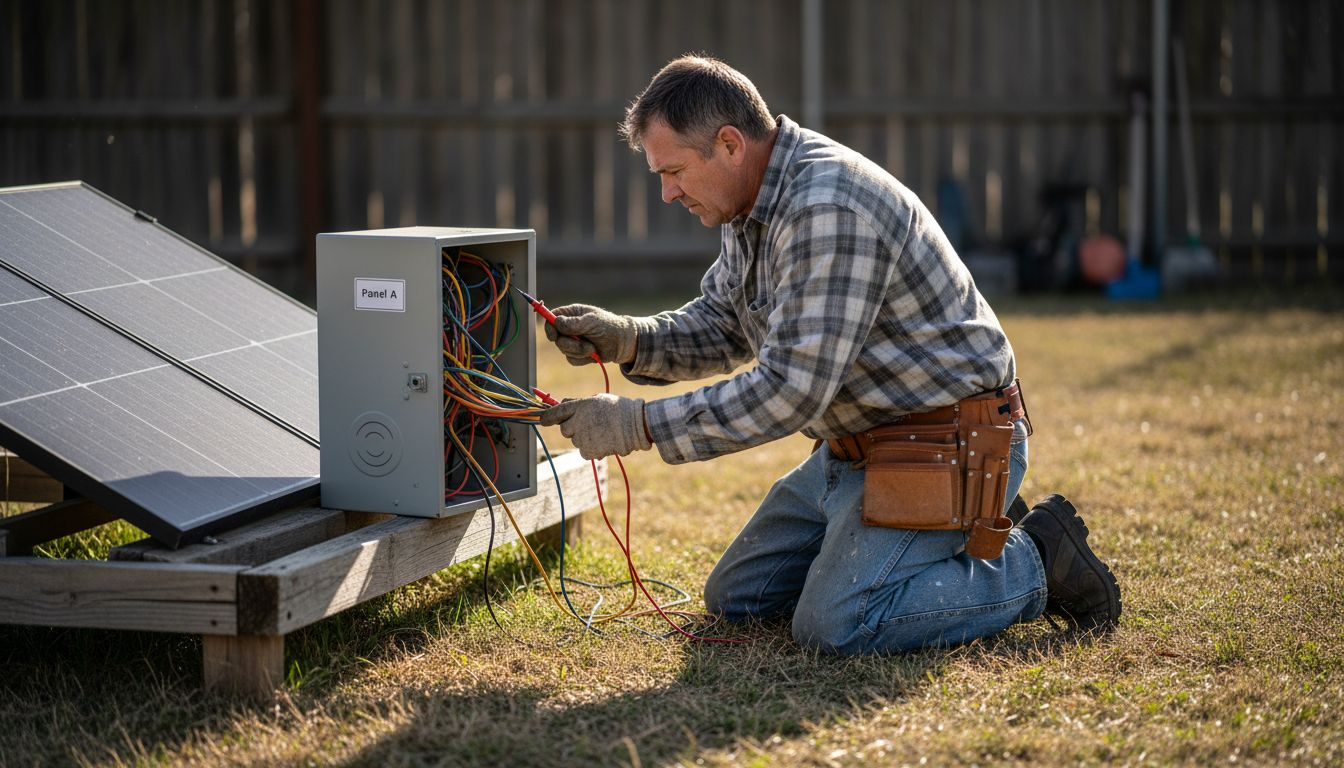
Residential solar systems can operate through multiple configurations, including grid-connected and stand-alone designs. Grid-connected systems allow homeowners to draw power from both solar panels and utility networks, with the ability to feed excess electricity back into the grid. Stand-alone systems, typically used in remote locations, incorporate battery storage to ensure consistent power availability during periods of limited sunlight. These systems provide flexibility in energy management, allowing homeowners to optimize their power generation and consumption based on individual energy needs and local environmental conditions.
Pro tip: Consult a professional solar installer to conduct a comprehensive site assessment and determine the most effective solar system configuration for your specific home’s energy requirements and roof characteristics.
Florida Solar Incentives and Regulations
Florida offers a supportive environment for solar energy adoption through a comprehensive set of regulations and incentives designed to encourage residential solar installations. Solar Rights Act protections ensure homeowners can install solar panels without undue restrictions from homeowners associations or local ordinances, providing critical legal safeguards for renewable energy investment.
The state’s net metering policies represent a significant advantage for solar adopters. Homeowners can receive full retail credit for excess electricity generated by their solar systems and fed back into the utility grid. This approach allows residents to offset their energy costs effectively, with major utilities like Florida Power & Light and Duke Energy participating in these programs. The absence of a statewide capacity cap means that solar adoption can continue to expand without arbitrary limitations, making solar a financially attractive option for Florida homeowners.
Additional financial incentives further enhance the appeal of solar energy in Florida. Property tax exemptions protect homeowners from increased property tax assessments resulting from solar system installations, while federal tax credits can offset a substantial percentage of initial installation costs. Local municipalities and utility companies may offer additional rebates or incentive programs, creating multiple layers of financial support for residential solar projects. These combined incentives significantly reduce the economic barriers to solar adoption and accelerate the transition to renewable energy.
Below is a quick reference to major solar incentives in Florida and their homeowner impact:
| Incentive Type | Main Benefit | Who Offers It |
|---|---|---|
| Net metering | Reduces energy bills long term | Utility companies |
| Property tax exemption | Avoids higher property taxes | Florida state government |
| Federal tax credit | Covers 30% of installation costs | U.S. federal government |
| Local rebates | Additional upfront savings | Cities and utilities |
Pro tip: Consult with a local solar installation professional to fully understand the current incentive landscape and maximize your potential savings through available state and federal solar programs.
Homeowner Costs, Savings, and Financing Options
Residential solar panel installations represent a significant financial investment with long-term economic benefits for homeowners. Average solar system costs range from $15,000 to $25,000 for a standard 6-kilowatt system, with pricing typically between $2.50 and $3.50 per watt depending on specific system requirements and regional factors.
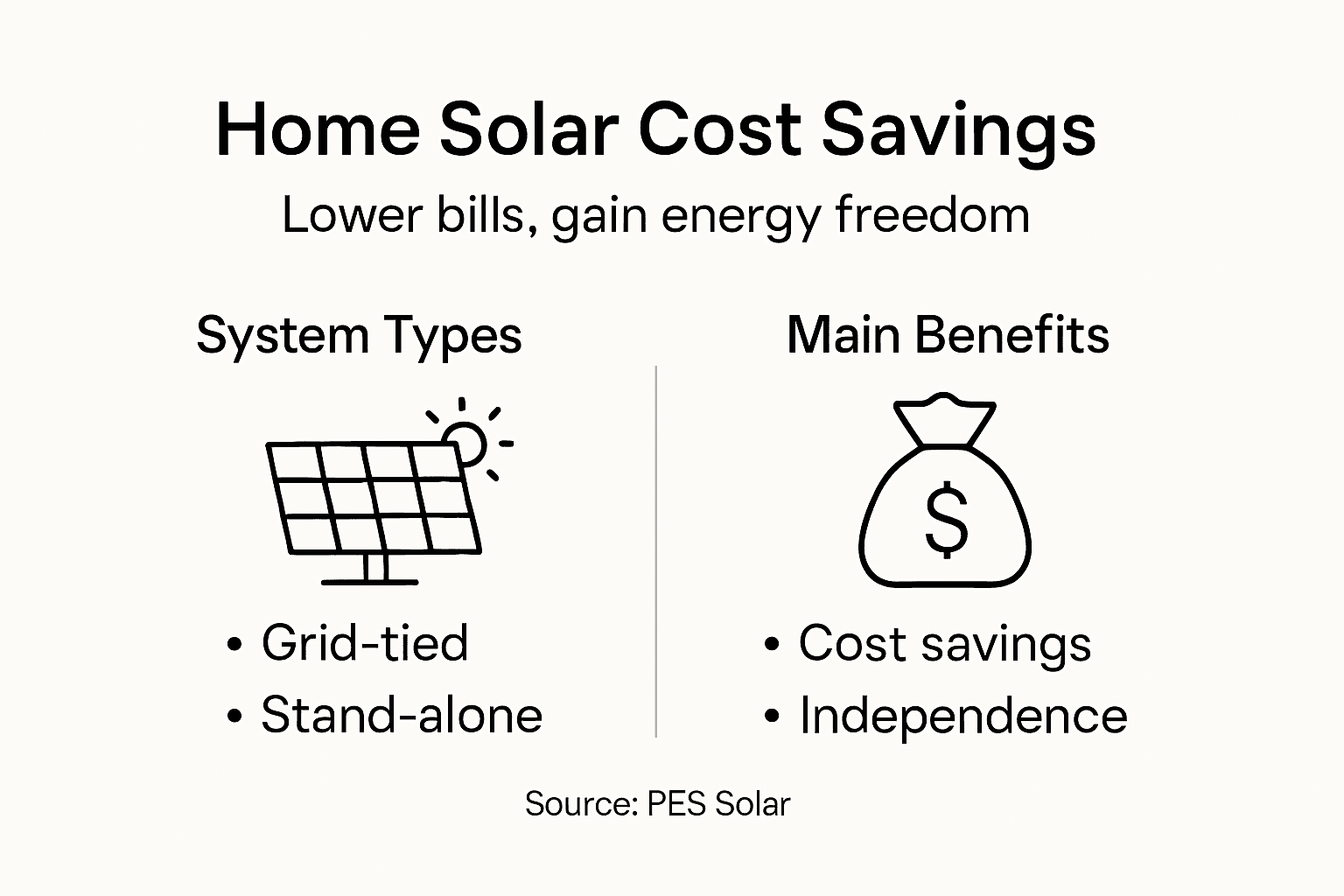
Homeowners have multiple financing strategies available to manage solar investment costs. Traditional options include cash purchases, solar-specific loans, home equity loans, and specialized financing programs. Credit unions often provide low-interest solar loans, while government-backed programs can offer additional financial support. Power purchase agreements (PPAs) and solar leases present alternative models where third-party providers own the system, potentially reducing upfront expenses but typically offering lower total savings compared to direct ownership.
The financial attractiveness of solar installations extends beyond initial costs through substantial long-term savings. Federal tax credits covering 30% of installation expenses significantly reduce initial investment, while net metering policies allow homeowners to offset electricity costs by feeding excess energy back to the grid. Most residential solar systems demonstrate complete return on investment within 5-10 years, with continued energy savings and potential increases in property value making solar an increasingly compelling financial strategy for homeowners seeking both economic and environmental benefits.
Pro tip: Request multiple quotes from certified solar installers and carefully compare financing options to identify the most cost-effective solution for your specific energy needs and financial circumstances.
Unlock Your Home’s Solar Potential Today
If you’ve been exploring solar power for your home to achieve cost savings and energy freedom, you already know how important it is to select the right system and financing options. The challenges of navigating solar incentives, choosing between grid-connected or hybrid systems, and understanding installation costs can feel overwhelming. At PES Solar, we specialize in guiding Florida homeowners through every step of the solar adoption process, from expert system design to maximizing tax incentives and securing the best financing solutions.
Experience the benefits of tailored solar energy solutions with trusted products like Tesla Powerwall batteries and REC solar panels, all installed by certified professionals who care about increasing your property value and reducing your energy bills. Take advantage of our deep knowledge of Florida’s solar incentives and local regulations to make your transition to clean energy simple and financially smart.
Get started with a free site assessment and personalized consultation by visiting PES Solar today.
Ready to lower your electricity costs and gain true energy independence Enjoy peace of mind knowing you are partnering with a leading Florida solar provider dedicated to your satisfaction. Visit PES Solar and schedule your free estimate now to discover how much you can save with solar power.
Frequently Asked Questions
How do residential solar power systems help save on electricity costs?
Residential solar power systems allow homeowners to generate their own electricity, reducing reliance on utility companies. By harnessing solar energy, homeowners can significantly lower their electric bills, especially through net metering policies that credit them for excess power fed back into the grid.
What are the different types of solar panel systems available for homes?
There are primarily three types of residential solar panel systems: grid-connected systems, which integrate with the utility grid; stand-alone systems, which operate independently often with battery storage; and hybrid systems, which combine both features for flexibility and reliability.
How do net metering policies benefit homeowners with solar energy systems?
Net metering allows homeowners to receive credit for surplus electricity generated by their solar systems when it is fed back into the utility grid. This credit offsets their energy bills, making solar energy a financially attractive option over time.
What financing options are available for residential solar panel installations?
Homeowners have several financing options for solar installations, including cash purchases, solar loans, home equity loans, and power purchase agreements (PPAs). Each option has different implications for upfront costs and long-term savings, so it’s essential to compare them based on individual financial situations.
Recommended
- Do You Really Save Money Installing Solar Panels? | PES Solar
- Do You Really Save Money Installing Solar Panels? | PES Solar
- 7 Key Benefits Of Solar Panels Every Florida Homeowner Should Know
- Cut Costs With Solar: Save On Energy Bills | PES Solar
- Solar Panel Installation Winter Park FL
- Solar Panel Installation Pine Hills FL
