
Upgrading your Florida home with solar panels offers the chance to save money, boost property value, and support a cleaner environment. As you weigh your options, understanding the full journey of a solar panel—from raw materials to recycling—can reveal how much these systems align with your sustainability goals. Learn what the solar panel lifecycle really means for your home, wallet, and the planet.
Table of Contents
- What Solar Panel Lifecycle Really Means
- Key Manufacturing Steps and Materials Used
- Performance, Efficiency, and System Lifespan
- Warranties, Maintenance, and Responsibilities
- Environmental Impact, Recycling, and Disposal
Key Takeaways
| Point | Details |
|---|---|
| Understanding the Solar Panel Lifecycle | The lifecycle includes material extraction, manufacturing, installation, operation, decommissioning, and disposal, impacting sustainability and economics. |
| Efficiency and Longevity | Modern solar panels generally operate efficiently for 25-30 years, with a slight performance decline over time. |
| Warranties and Maintenance | Homeowners should prioritize understanding warranties and performing regular maintenance to protect their investment. |
| Recycling and Environmental Impact | Effective recycling strategies can significantly reduce waste and recover valuable materials, contributing to sustainable practices in the solar industry. |
What Solar Panel Lifecycle Really Means
The solar panel lifecycle is a comprehensive journey that traces a panel’s existence from raw material extraction through final disposal. Understanding this lifecycle helps homeowners make informed decisions about renewable energy investments. Lifecycle management involves multiple critical stages that impact both environmental sustainability and economic value.
This complex process encompasses several key phases:
- Material Extraction: Sourcing silicon, silver, aluminum, and other essential components
- Manufacturing: Transforming raw materials into functional photovoltaic panels
- Transportation: Moving panels from factory to installation site
- Installation: Mounting panels on residential or commercial structures
- Operational Period: Generating clean electricity for 25-30 years
- Decommissioning: Removing aged panels
- Recycling/Disposal: Responsibly managing end-of-life panel materials
Each stage requires significant energy investment and generates environmental implications. Photovoltaic system lifecycle analysis helps determine whether the total energy produced outweighs the energy consumed during production and installation.
Modern solar panels typically operate at high efficiency for 25-30 years, with gradual performance decline. Manufacturers design panels to maintain approximately 80-90% of their original power generation capacity even after two decades of continuous use. This longevity makes solar a compelling long-term energy solution for environmentally conscious Florida homeowners seeking sustainable alternatives.
Pro tip: Request a comprehensive lifecycle assessment from your solar installer to understand the full environmental and economic impact of your specific solar panel system.
Key Manufacturing Steps and Materials Used
Solar panel manufacturing is a sophisticated process that transforms raw materials into high-performance energy-generating devices. Solar panel production involves multiple complex stages that require precision engineering and advanced technological capabilities. The primary goal is to create efficient photovoltaic cells capable of converting sunlight into electricity with maximum reliability.
The core materials used in solar panel manufacturing include:
- Silicon: The primary semiconductor material
- Silver: Used for electrical contacts
- Copper: Essential for internal wiring and connections
- Aluminum: Used in panel framing
- Glass: Provides protective outer layer
- Plastic polymers: Create protective backing and insulation
Manufacturing processes typically follow these critical steps:
- Silicon Purification: Removing impurities from raw silicon
- Wafer Creation: Slicing purified silicon into thin electrical conductors
- Cell Fabrication: Adding electrical properties to silicon wafers
- Module Assembly: Connecting cells and adding protective layers
- Quality Testing: Ensuring performance and durability standards
Crystalline silicon remains the dominant technology, representing approximately 95% of current solar panel manufacturing worldwide. These panels are renowned for their durability, efficiency, and relatively stable production costs. Thin-film technologies like CIGS and CdTe offer alternative approaches, though they currently represent a smaller market segment.
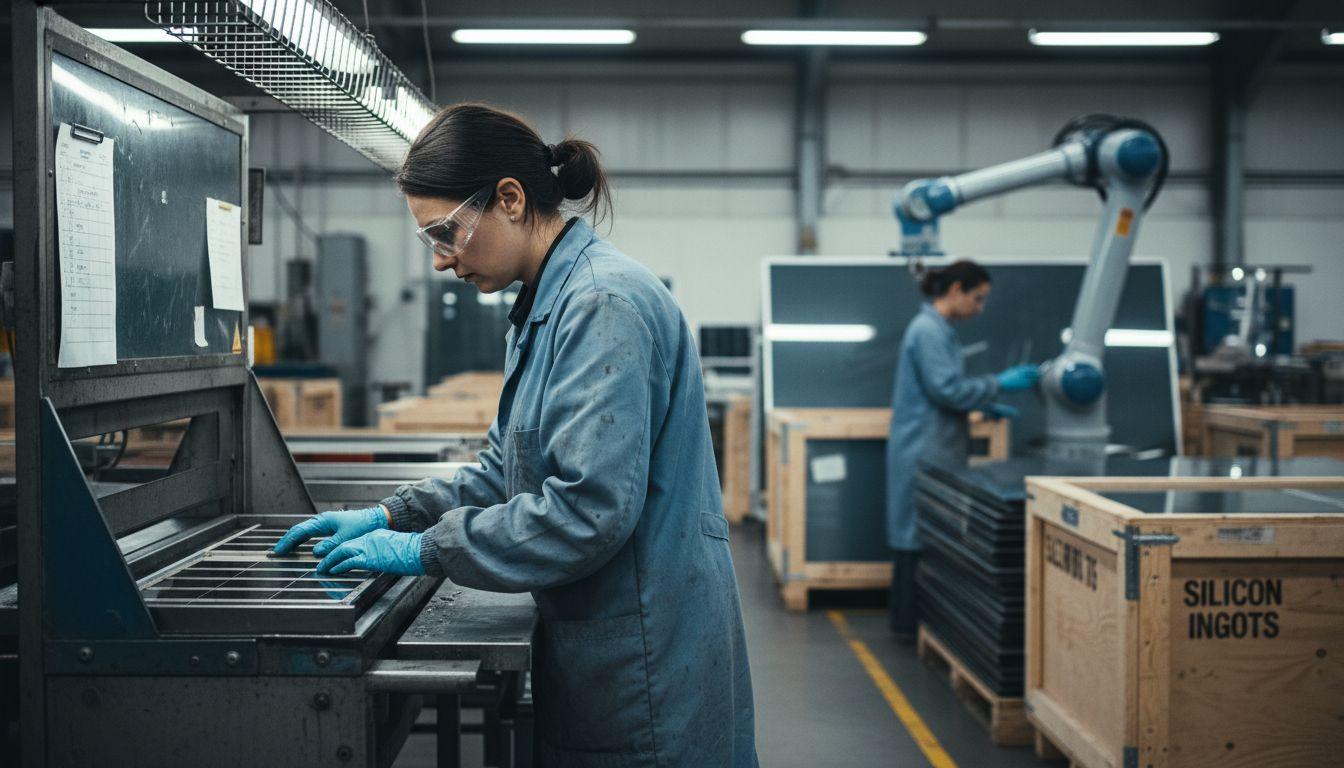
Modern manufacturers invest heavily in research to improve cell efficiency, reduce material costs, and minimize environmental impact during production. Advanced techniques like passivated emitter and rear cell (PERC) technologies have helped increase solar panel performance by improving light absorption and reducing electrical resistance.
Here’s a concise summary of how key solar panel technologies compare in residential use:
| Technology Type | Market Share | Typical Efficiency | Environmental Profile |
|---|---|---|---|
| Crystalline Silicon | ~95% (dominant) | 17–22% | Durable, moderate impact |
| Thin-Film (CIGS) | ~2% | 12–16% | Lower energy use, flexible |
| Thin-Film (CdTe) | ~3% | 15–18% | Potential heavy metals |
Pro tip: Request detailed manufacturing specifications from your solar installer to understand the specific technology and materials used in your panel system.
Performance, Efficiency, and System Lifespan
Solar panel performance represents a critical factor for homeowners considering renewable energy investments. Modern solar technologies typically convert between 17-22% of captured sunlight into electricity, with ongoing research continually pushing these boundaries. The efficiency of a solar panel directly impacts its long-term value and energy production potential.
Key performance factors influencing solar panel effectiveness include:
- Temperature: Higher temperatures can reduce panel efficiency
- Shading: Even partial shade significantly decreases energy production
- Installation Angle: Optimal positioning maximizes sunlight capture
- Panel Quality: Higher-grade materials maintain better performance
- Maintenance: Regular cleaning and inspection preserve system capabilities
Lifecycle assessments reveal fascinating insights about solar system longevity. Utility-scale photovoltaic systems typically generate the entire energy required for their production and installation within 0.5 to 1.2 years. This means panels offset their initial carbon footprint remarkably quickly, generating clean energy for approximately 25-30 years.
Performance degradation follows a predictable pattern for most solar panels. Manufacturers typically guarantee approximately 90% efficiency after 10 years and around 80% efficiency after 25 years. This gradual decline is relatively minimal, ensuring consistent energy production throughout the system’s functional lifespan. Florida homeowners can expect stable electricity generation with proper installation and periodic maintenance.
Pro tip: Request a detailed performance warranty from your solar installer that specifically outlines expected efficiency levels across different timeframes.
Warranties, Maintenance, and Responsibilities
Solar panel warranties represent a critical protection mechanism for homeowners investing in renewable energy systems. Typically spanning 25 years, these warranties guarantee minimum power output levels and protect against manufacturing defects. Understanding the nuanced details of these warranties can help Florida homeowners make informed decisions and maintain their solar investment effectively.
Key warranty components typically include:
- Product Warranty: Covers manufacturing defects (usually 10-12 years)
- Performance Warranty: Guarantees electricity generation levels
- Workmanship Warranty: Addresses installation-related issues
- Extended Coverage: Optional additional protection plans
- Manufacturer Guarantees: Specific performance degradation limits
Solar system maintenance involves several critical responsibilities for homeowners:
- Regular Panel Cleaning: Remove dust, debris, and potential obstructions
- Annual Professional Inspections: Check electrical connections and system performance
- Monitor Energy Production: Track system output using monitoring tools
- Promptly Address Performance Issues: Contact installer for unexpected efficiency drops
- Maintain Documentation: Keep warranty and maintenance records
Responsibilities are shared between homeowners and installation professionals. Homeowners must maintain the system according to manufacturer guidelines, while installers ensure initial quality installation and provide ongoing support. Professional maintenance typically involves comprehensive electrical system checks, ensuring all components function optimally and identifying potential issues before they become significant problems.
Pro tip: Schedule a professional solar system inspection annually and keep detailed maintenance records to preserve your warranty coverage.
Environmental Impact, Recycling, and Disposal
Solar panel recyclability represents a critical challenge in the renewable energy ecosystem. While solar panels significantly reduce carbon emissions during their operational lifetime, end-of-life management remains complex. The intricate composition of panels, involving multiple materials laminated together, creates substantial challenges for traditional recycling processes.
Key environmental considerations include:
- Material Complexity: Multiple layers requiring specialized separation techniques
- Toxic Component Risks: Potential presence of heavy metals
- Energy Intensive Recycling: Current processes require significant processing
- Economic Feasibility: Recycling often costs more than raw material production
- Waste Management: Potential landfill risks without proper recycling infrastructure
Lifecycle management strategies are evolving to address these challenges. Emerging technologies focus on recovering valuable materials like silicon, silver, and glass. Some innovative approaches can extract up to 95% of semiconductor materials and metals, transforming what was once considered waste into valuable resources for new panel production.
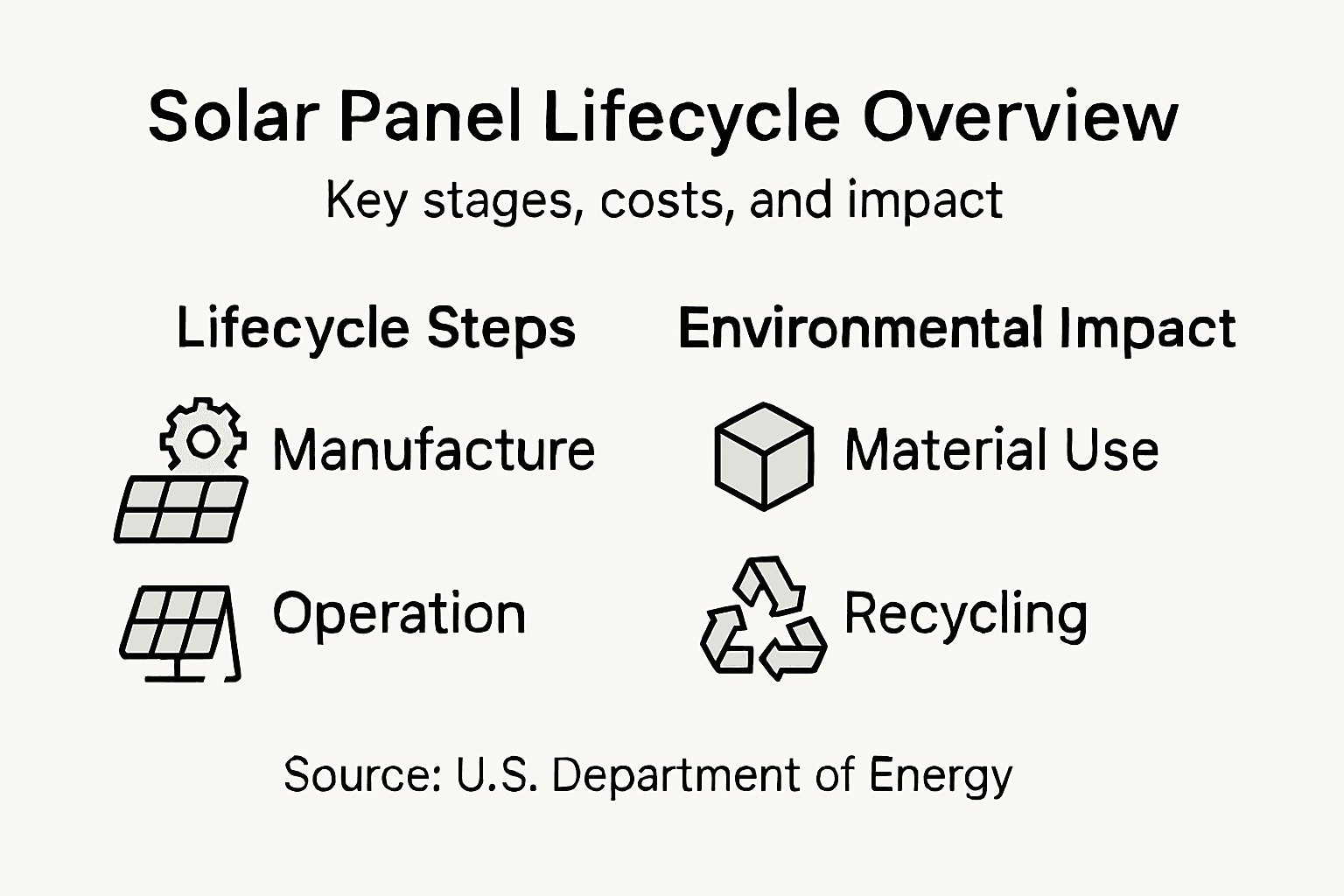
Environmental benefits of solar panel recycling extend beyond material recovery. By developing sophisticated recycling frameworks, the solar industry can significantly reduce its carbon footprint, minimize waste, and create a more sustainable circular economy. Florida homeowners can contribute by choosing manufacturers with robust recycling programs and supporting legislative efforts that promote responsible panel disposal.
The following table highlights environmental benefits achieved through advanced solar panel recycling initiatives:
| Recycling Approach | Key Material Recovered | Environmental Impact |
|---|---|---|
| Mechanical Separation | Glass, aluminum | Reduces landfill waste |
| Chemical Extraction | Silicon, silver | Recovers high-value metals |
| Thermal Techniques | Plastic polymers | Minimizes hazardous output |
Pro tip: Discuss recycling options with your solar installer and request information about their end-of-life panel management strategies.
Secure Your Solar Investment with Expert Care and Sustainable Solutions
Understanding the full solar panel lifecycle reveals key challenges like performance longevity, environmental impact, and responsible disposal. Many homeowners share concerns about maintaining panel efficiency, managing warranties, and ensuring their solar systems truly deliver long-term value. At PES Solar, we address these pain points by offering tailored residential solar installations featuring high-quality REC solar panels and reliable Tesla Powerwall batteries. Our solutions are designed to maximize energy savings, protect your investment through comprehensive warranties, and support environmental stewardship with trusted recycling guidance.
Take control of your energy future by partnering with trusted Florida solar experts who understand every aspect of solar lifecycle management. From expert installation to ongoing maintenance and support, we are your local source for sustainable, cost-effective energy solutions.
Ready to maximize your solar panel value and reduce your carbon footprint today? Visit PES Solar to schedule your free consultation and discover how our complete solar services can help you harness clean energy with confidence and ease.
Frequently Asked Questions
What are the stages of the solar panel lifecycle?
The solar panel lifecycle includes material extraction, manufacturing, transportation, installation, operation, decommissioning, and recycling or disposal. Each stage plays a crucial role in the overall environmental impact and economic value of solar energy systems.
How long do solar panels typically last before needing replacement?
Modern solar panels usually function effectively for 25-30 years, with a gradual performance decline. Manufacturers often guarantee that panels will retain around 80-90% of their original power generation capacity after 20 years of use.
What types of materials are used in solar panel manufacturing?
Key materials in solar panel manufacturing include silicon, silver, copper, aluminum, glass, and plastic polymers. These materials contribute to the efficiency and durability of the panels.
How can homeowners maintain their solar panel systems for optimal performance?
Homeowners should regularly clean the solar panels, schedule annual professional inspections, monitor energy production, promptly address any performance issues, and maintain detailed documentation of warranties and maintenance activities.
