
Rising energy bills and the desire for greater energy independence are driving many Florida homeowners to consider solar panels as a cleaner path forward. By producing electricity without creating air pollution or greenhouse gases during operation, solar systems offer a truly sustainable alternative to traditional power sources. This overview explains how solar panels work, their key environmental impacts, and what makes sustainable solar technologies an attractive choice for anyone looking to lower costs while protecting Florida’s environment.
Table of Contents
- Solar Panels And Sustainability Basics
- Types Of Solar Systems And How They Work
- Environmental Impact Of Solar Panel Adoption
- Financial Benefits And Incentives In Florida
- Common Challenges And Responsible Disposal
Key Takeaways
| Point | Details |
|---|---|
| Environmental Benefits | Solar panels produce electricity without greenhouse gas emissions, significantly reducing households’ carbon footprints. |
| Financial Incentives | Florida homeowners can benefit from various financial incentives, such as a 30% federal tax credit and property tax exemptions, lowering installation costs. |
| Types of Systems | Homeowners can choose from different solar technologies, including Photovoltaic (PV) and Concentrating Solar Power (CSP) systems, based on their needs. |
| Recycling Challenges | Responsible disposal and recycling of solar panels are critical, with ongoing efforts to improve recycling technologies and regulatory frameworks. |
Solar Panels and Sustainability Basics
Solar energy represents a transformative solution for Florida homeowners seeking cleaner, more sustainable power generation. Solar technologies offer significant environmental benefits by producing electricity without generating greenhouse gases during operation. Understanding how these systems work and their broader environmental impact is crucial for making informed renewable energy decisions.
Photovoltaic (PV) solar panels convert sunlight directly into electrical energy through sophisticated semiconductor materials like silicon. These advanced technologies capture solar radiation and transform it into usable electricity for residential and commercial applications. Key features of modern solar panels include:
- Zero direct carbon emissions during electricity generation
- Renewable energy source with minimal environmental disruption
- Long operational lifespans averaging 30+ years
- Continuously improving manufacturing efficiency
- Potential for significant reduction in household carbon footprints
While solar panel production does require energy-intensive manufacturing processes involving metals and glass, the long-term environmental benefits substantially outweigh initial production impacts. Sustainable solar technologies help reduce dependence on fossil fuels and provide clean energy alternatives for environmentally conscious homeowners.
Solar energy systems transform sunlight into electricity without producing air pollution or greenhouse gases during operation.
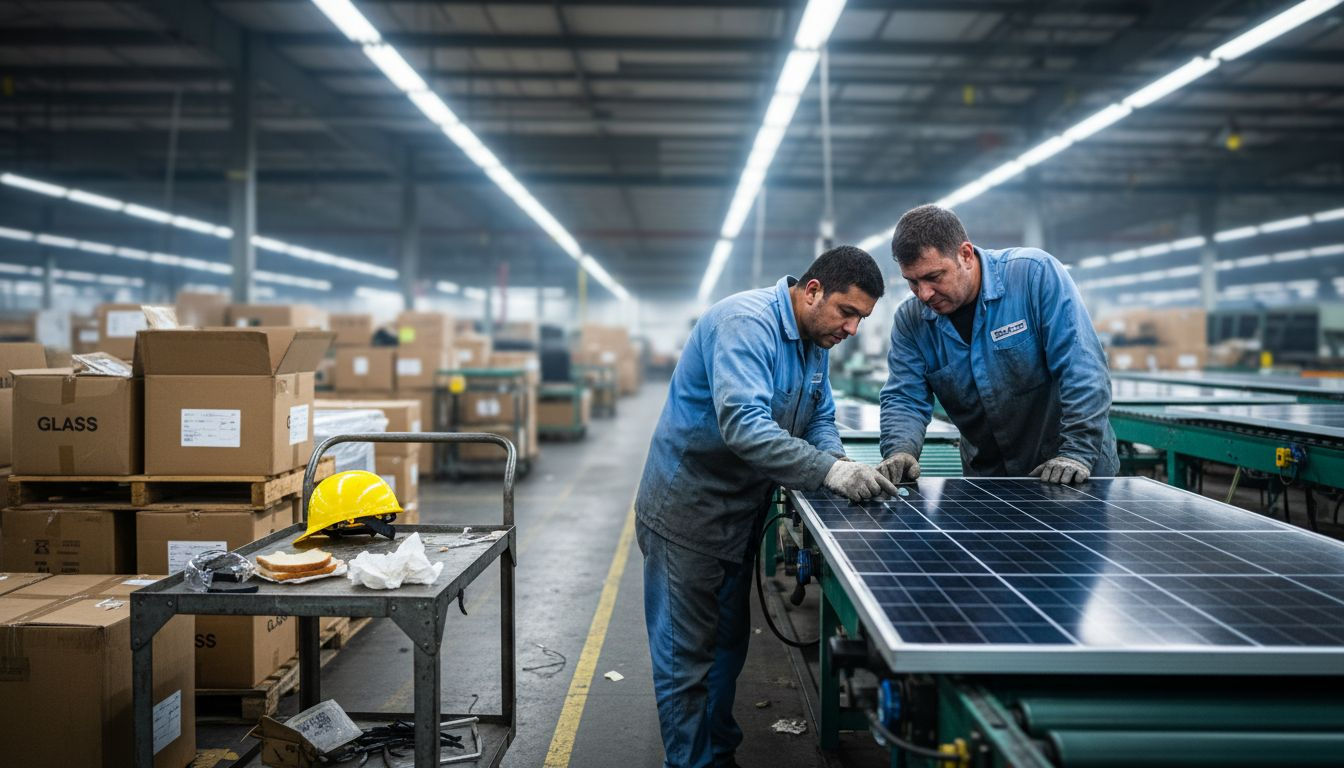
Manufacturing considerations remain an important aspect of solar panel sustainability. Current industry efforts focus on improving recycling techniques, reducing material waste, and developing more environmentally friendly production methods. Responsible manufacturers are increasingly prioritizing sustainable practices throughout the solar panel lifecycle.
Pro tip: Research local solar installers who demonstrate commitment to sustainable manufacturing and responsible end-of-life panel recycling practices.
Types of Solar Systems and How They Work
Florida homeowners have multiple options for implementing solar energy technologies, with solar systems divided into distinct configurations designed to meet various residential and commercial energy needs. The two primary solar technology categories are photovoltaic (PV) systems and concentrating solar power (CSP) systems, each offering unique approaches to generating renewable electricity.
Photovoltaic (PV) Solar Systems represent the most common residential solar technology, converting sunlight directly into electrical energy through semiconductor cells. These systems come in several configurations:
- Stand-alone (off-grid) systems operating independently from utility networks
- Grid-connected (grid-tied) systems supplying power directly to electrical grids
- Hybrid systems combining solar with alternative energy sources
- Residential rooftop installations
- Utility-scale solar farms
Each PV system configuration includes critical components such as solar panels, inverters, charge controllers, and mounting hardware. The specific design depends on individual energy requirements, property characteristics, and local electricity infrastructure.
Solar energy technologies can generate electricity while providing flexibility through energy storage solutions.
Concentrating Solar Power (CSP) Systems utilize a different approach, employing mirrors to concentrate sunlight and generate thermal energy. These sophisticated systems can store energy for extended periods, allowing electricity production even after sunset. While less common in residential settings, CSP technologies represent an important advancement in renewable energy generation.
Storage Solutions play a crucial role in modern solar systems. Homeowners can integrate battery storage to manage energy supply and demand, ensuring consistent power availability during peak usage times or when solar generation is limited.
Pro tip: Consult with local solar professionals to determine the most appropriate solar system configuration for your specific Florida home and energy requirements.
Here’s a side-by-side comparison of Photovoltaic (PV) and Concentrating Solar Power (CSP) systems to clarify their advantages for Florida homeowners:
| Characteristic | Photovoltaic (PV) Systems | Concentrating Solar Power (CSP) |
|---|---|---|
| Technology Approach | Directly converts sunlight to electricity | Uses mirrors to create thermal energy |
| Common Uses | Residential rooftops, small-scale | Utility-scale, large installations |
| Energy Storage | Battery integration optionally | Can store thermal energy for later use |
| Maintenance Needs | Low to moderate | Moderate to high |
| Suitability in Florida | Highly suitable for homes | Less common, mainly commercial |
Environmental Impact of Solar Panel Adoption
Solar energy technologies offer significant environmental advantages for Florida homeowners, with profound implications for reducing carbon emissions. While solar power represents a clean energy solution, understanding its comprehensive environmental footprint requires careful examination of both its benefits and potential challenges.
Positive Environmental Contributions of solar panel adoption include:
- Zero direct greenhouse gas emissions during electricity generation
- Significant reduction in air pollution compared to fossil fuel alternatives
- Minimal water consumption for photovoltaic electricity production
- Decreased reliance on non-renewable energy sources
- Potential for habitat preservation by reducing traditional energy infrastructure
However, the manufacturing process for solar panels involves complex environmental considerations. Production requires energy-intensive materials and can involve hazardous chemical processing, which necessitates responsible industrial practices and advanced recycling techniques.
Solar technologies provide a net positive environmental impact when implemented with comprehensive lifecycle management.
Land Use and Habitat Considerations remain critical factors in solar panel deployment. Utility-scale solar facilities must be strategically positioned to minimize disruption to local ecosystems. Innovative approaches include utilizing low-value or previously disturbed lands, transforming marginal areas into productive energy generation sites.
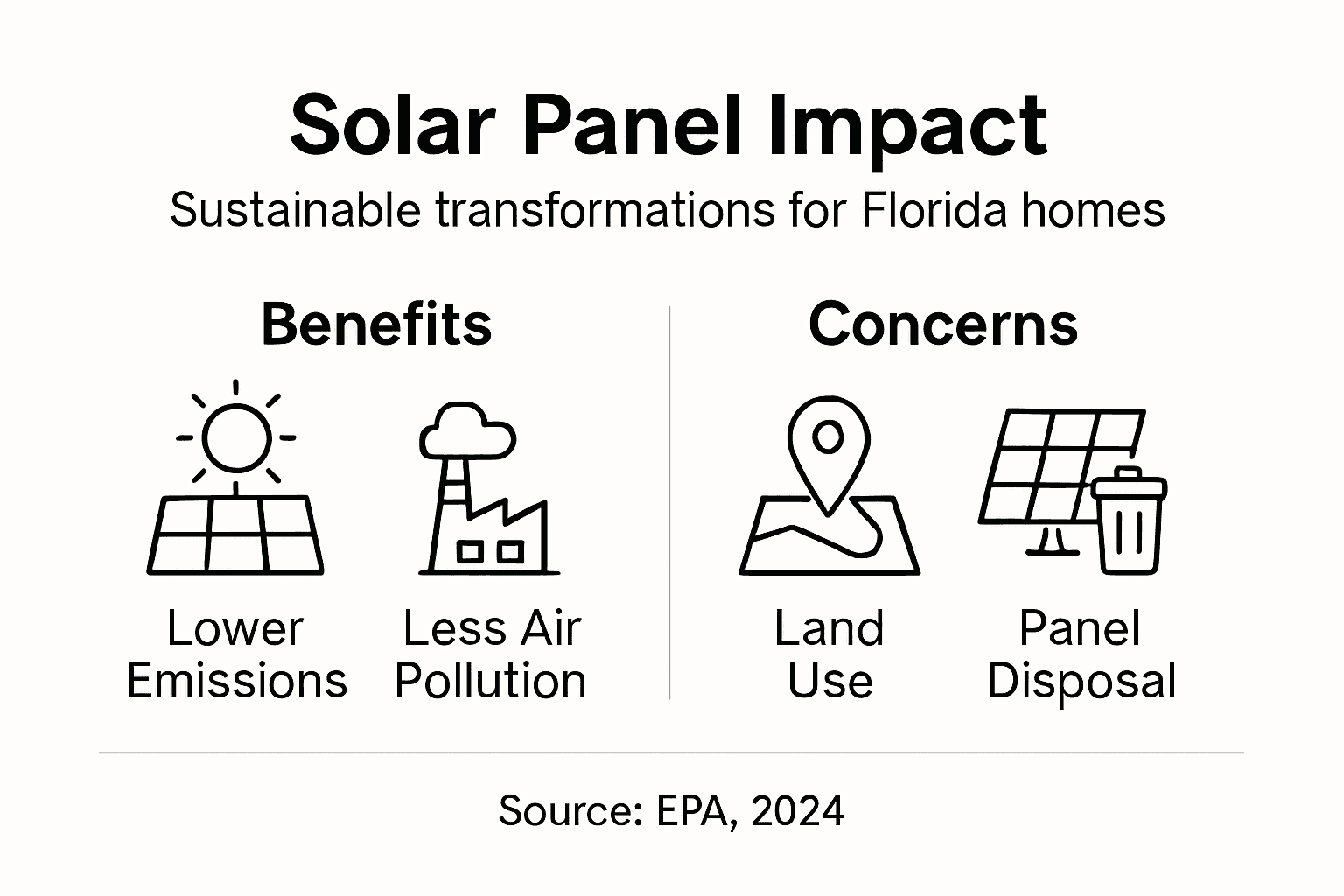
Technological Advancements continue to improve the environmental profile of solar technologies. Manufacturers are developing more efficient production methods, exploring sustainable materials, and creating improved recycling processes to minimize waste and environmental impact.
Pro tip: Research solar installers who prioritize sustainable manufacturing practices and comprehensive end-of-life panel recycling strategies.
Financial Benefits and Incentives in Florida
Florida homeowners can unlock substantial financial advantages through solar energy adoption, with strategic incentives creating significant cost savings. The state’s evolving renewable energy landscape offers multiple pathways for reducing installation expenses and maximizing long-term economic benefits.
Federal and State Solar Incentives provide critical financial support for solar investments:
- 30% federal tax credit for solar installation costs
- Property tax exemptions for solar system improvements
- Net metering programs allowing energy credit exchanges
- Potential utility company rebates and performance incentives
- Increased home value from solar infrastructure
The Inflation Reduction Act represents a game-changing opportunity for Florida residents, offering unprecedented financial support for clean energy transitions. Homeowners can significantly reduce upfront costs while generating long-term electricity savings.
Solar investments provide predictable energy costs and protection against rising utility rates.
Economic Advantages extend beyond immediate tax credits. Solar panel installations can increase property values, with studies suggesting homes equipped with solar systems sell faster and at premium prices. The average Florida homeowner can expect substantial utility bill reductions, often saving hundreds of dollars annually.
Financing Options have become increasingly sophisticated, with multiple strategies available to make solar adoption financially accessible. Solar loans, leasing programs, and power purchase agreements provide flexible alternatives for homeowners with varying financial capabilities.
Pro tip: Consult a local tax professional to maximize your solar investment tax credits and understand the full range of financial incentives available in Florida.
Below is a summary table of key financial incentives available for solar adoption in Florida:
| Incentive Type | Description | Impact for Homeowners |
|---|---|---|
| Federal Investment Tax Credit | 30% tax credit on installation costs | Significant upfront savings |
| Property Tax Exemption | Excludes solar from property value increase | Limits additional tax burden |
| Net Metering Programs | Sell excess energy to the utility grid | Reduces ongoing electricity costs |
| Utility Rebates | Cash or bill credits for qualifying systems | Enhances return on investment |
Common Challenges and Responsible Disposal
Solar panel technologies present complex end-of-life management challenges, with critical considerations for responsible recycling and disposal becoming increasingly important as solar infrastructure ages. Homeowners and industry professionals must understand the nuanced environmental and technical obstacles associated with solar panel waste management.
Recycling Challenges in solar panel disposal include:
- Complex material composition making separation difficult
- High costs of current recycling technologies
- Limited infrastructure for large-scale panel recycling
- Presence of hazardous materials requiring specialized handling
- Economic barriers to comprehensive recycling programs
The current recycling landscape presents significant hurdles. Most residential solar panels are not economically viable to recycle, with processing costs frequently exceeding the value of recovered materials. This economic constraint leads many panels to be discarded in landfills, creating potential environmental risks.
Sustainable solar adoption requires comprehensive end-of-life management strategies.
Technological Innovations are emerging to address these challenges. Research focuses on developing more recyclable panel designs, improving material separation techniques, and creating economically feasible recycling processes. Manufacturers are increasingly designing panels with future recyclability in mind, integrating modular components that can be more easily disassembled and reprocessed.
Regulatory Developments are also playing a crucial role in promoting responsible solar panel disposal. State and federal regulations are evolving to incentivize recycling, establish proper waste management protocols, and support circular economy principles in the solar industry.
Pro tip: Discuss end-of-life disposal plans with your solar installer and research local recycling options before panel installation.
Unlock Sustainable Solar Solutions for Your Florida Home Today
The article highlights the challenges Florida homeowners face like choosing the right solar system, managing the environmental impact, and maximizing financial incentives. If you want to transform your home with renewable energy while reducing your carbon footprint, you need expert guidance on solar panel installation, energy storage options like Tesla Powerwall, and financing strategies to make solar affordable and effective.
At PES Solar, we specialize in delivering customized solar energy solutions that address these exact concerns. Our experienced team prioritizes sustainability and helps you navigate everything from choosing efficient REC solar panels to taking advantage of federal and state incentives. We also support responsible end-of-life panel management, so your clean energy journey remains eco-friendly from start to finish.
Take control over your energy bills and contribute positively to Florida’s environment with trusted local solar expertise. Learn more about how our solar panel installation services can fit your lifestyle and budget.
Ready to make the switch to clean power confidently and cost-effectively?
Get a free tailored estimate now and start your journey toward energy independence with PES Solar. Visit PES Solar to schedule your consultation today.
Frequently Asked Questions
What are the environmental benefits of solar panels?
Solar panels produce electricity without generating greenhouse gases during operation, significantly reducing air pollution and dependence on fossil fuels. They also enable habitat preservation by decreasing traditional energy infrastructure impacts.
How do photovoltaic (PV) and concentrating solar power (CSP) systems differ?
PV systems convert sunlight directly into electricity and are commonly used in residential settings, while CSP systems utilize mirrors to concentrate sunlight and generate thermal energy, typically employed in larger, utility-scale installations.
What incentives are available for installing solar panels?
Homeowners can benefit from a 30% federal tax credit for installation costs, property tax exemptions, net metering programs, and potential utility rebates which enhance the financial return on solar investments.
What challenges are associated with the disposal of solar panels at the end of their life cycle?
Challenges include complex material composition making recycling difficult, high processing costs, limited infrastructure for large-scale recycling, and the presence of hazardous materials requiring specialized handling.
Recommended
- Role Of Solar In Homes – Savings And Value For Floridians
- Why Invest In Solar Energy: Florida Home Impact
- Why Switch To Solar In Florida: Big Savings Now
- Why Go Solar In Florida: Real Savings And Value
- sustainable urban planning | 3D Cityplanner
- Solar Panel Installation Tampa FL
- Solar Panel Installation Orlando FL
