
Confusion about solar monitoring still lingers for many Florida homeowners hoping to cut energy bills and gain more control over their electricity. Despite worries that these systems are too complicated or unnecessary, expert factchecks reveal most misunderstandings come from outdated or misleading information. Today’s solar monitoring tools offer user-friendly displays and valuable insights that make it easier than ever to maximize financial savings and support your household’s energy independence. Discover how these advanced systems empower you to manage your home’s solar performance.
Table of Contents
- Solar Monitoring Defined and Common Misconceptions
- Types of Solar Monitoring Systems Explained
- How Solar Monitoring Works Step-by-Step
- Key Features for Florida Homeowners
- Costs, Savings, and Maintenance Considerations
Key Takeaways
| Point | Details |
|---|---|
| Understanding Solar Monitoring | Solar monitoring allows homeowners to track real-time solar panel performance and energy usage, debunking misconceptions about complexity and necessity. |
| Types of Systems Available | Homeowners can choose from grid-connected, stand-alone, hybrid, and microinverter-based monitoring systems to best suit their energy needs. |
| Financial Considerations | Key factors include initial setup costs, maintenance schedules, and available incentives, which all impact the overall return on solar investments. |
| Tailored Features for Florida | Monitoring solutions in Florida cater to the state’s unique climate, offering features like hurricane resistance and high-temperature performance tracking. |
Solar Monitoring Defined and Common Misconceptions
Solar monitoring represents a sophisticated digital technology that allows homeowners to track and analyze their solar panel system’s real-time energy production, consumption, and performance. Despite growing popularity, numerous misconceptions persist about these advanced tracking systems.
Many Florida homeowners harbor skepticism about solar monitoring, often believing these systems are overly complex or unnecessary. Carbon Brief’s solar factcheck reveals that such misconceptions frequently stem from misinformation rather than technological reality. The truth is that modern solar monitoring provides critical insights into energy generation and consumption patterns.
Key misconceptions about solar monitoring include:
- Monitoring systems are too complicated for average homeowners
- Real-time data tracking provides no meaningful financial benefit
- Solar monitoring requires extensive technical knowledge
- These systems are prohibitively expensive
In reality, contemporary solar monitoring platforms are designed with user-friendly interfaces that transform complex energy data into simple, actionable insights. Recent research from the Sabin Center demonstrates that these technologies offer substantial economic and environmental advantages for residential solar users.
Advanced monitoring systems enable homeowners to:
- Track precise energy production in real-time
- Identify potential system inefficiencies instantly
- Understand daily and seasonal energy consumption patterns
- Optimize household energy usage strategies
- Maximize potential financial savings from solar investments
By providing transparent, detailed information about solar panel performance, these monitoring technologies empower homeowners to make informed decisions about their energy consumption and production.
Pro tip: Request a comprehensive demonstration of solar monitoring capabilities during your initial consultation to understand how these systems can specifically benefit your Florida home’s energy strategy.
Types of Solar Monitoring Systems Explained
Solar monitoring systems have evolved significantly, offering Florida homeowners multiple approaches to track and optimize their solar panel performance. IoT-based solar monitoring technologies have revolutionized how residential solar users understand and manage their energy production.
The primary types of solar monitoring systems include:
- Grid-Connected Monitoring Systems
- Stand-Alone Monitoring Systems
- Hybrid Monitoring Systems
- Microinverter-Based Monitoring Platforms
Grid-connected systems operate by directly interfacing with utility electricity networks, allowing real-time data transmission and potential energy credits. Photovoltaic system configurations demonstrate how these systems can seamlessly integrate with existing electrical infrastructure.
Each monitoring system type offers unique advantages:
- Grid-Connected Systems
- Provides seamless utility interaction
- Enables potential energy credit generation
- Offers comprehensive performance tracking
- Stand-Alone Systems
- Perfect for remote locations
- Independent energy production monitoring
- Typically include battery storage integration
- Hybrid Monitoring Systems
- Combine grid-connected and stand-alone features
- Maximum flexibility in energy management
- Advanced performance analytics
Modern solar monitoring platforms leverage sophisticated sensor technologies and internet connectivity to provide granular insights into energy production, consumption patterns, and system health.
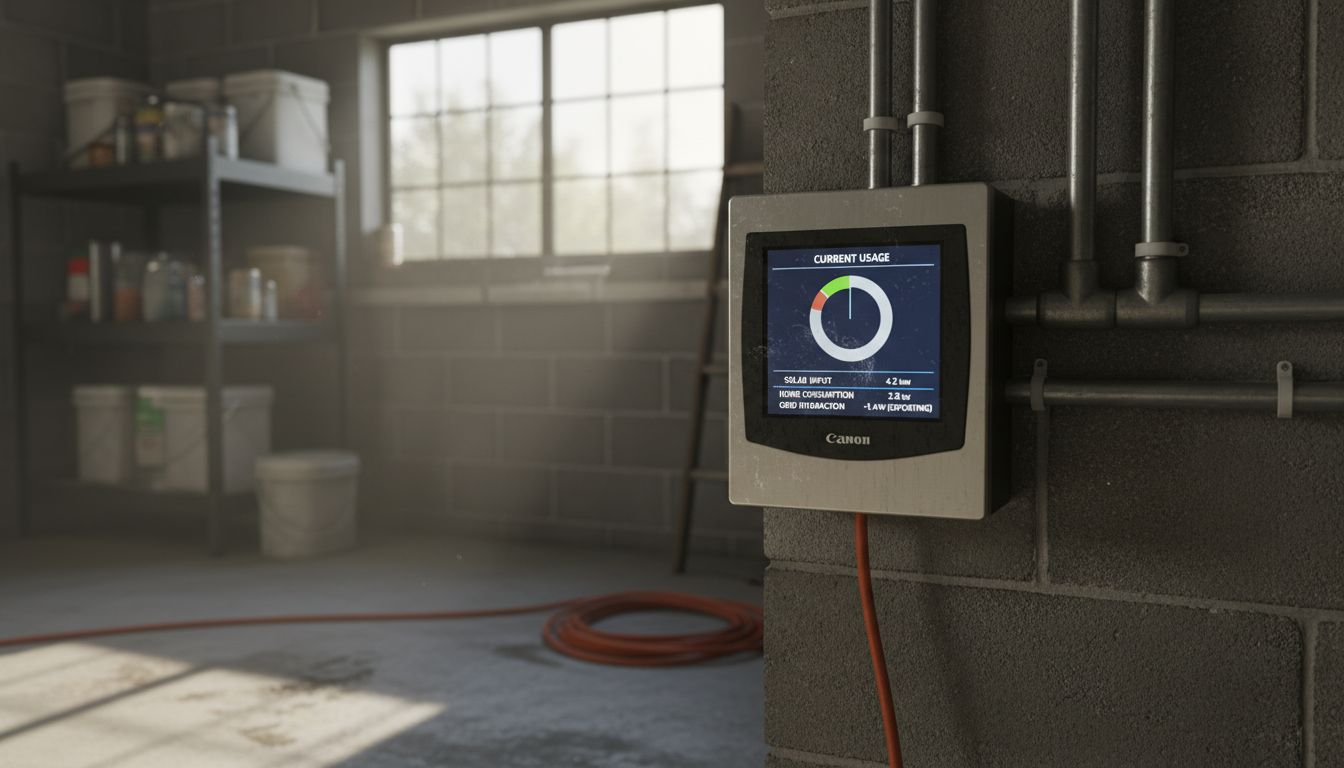
Here’s a side-by-side comparison of solar monitoring system types for Florida homeowners:
| System Type | Typical Use Case | Strengths | Possible Limitations |
|---|---|---|---|
| Grid-Connected | Urban, utility-tied homes | Access to net metering; robust tracking | Dependent on grid reliability |
| Stand-Alone | Off-grid or remote homes | Full independence; battery integration | Limited without storage options |
| Hybrid | Backup power prioritized | Flexible; supports both modes | More complex configuration |
| Microinverter-Based | Homes needing fine control | High fault tolerance; module-level data | May increase total installation cost |
Pro tip: Request a detailed system compatibility assessment to determine which solar monitoring configuration best matches your specific Florida home’s energy requirements and infrastructure.
How Solar Monitoring Works Step-by-Step
Solar monitoring technology transforms how Florida homeowners track and optimize their energy production. Real-time IoT monitoring systems capture and transmit critical performance data through a sophisticated, multi-stage process.
The solar monitoring workflow involves several key stages:
- Data Collection
- Signal Processing
- Cloud Transmission
- User Visualization
- Performance Analysis
In the initial data collection phase, specialized sensors integrated with microcontrollers measure critical electrical parameters including:
- Voltage levels
- Current output
- Panel temperature
- Solar irradiance
Microcontroller-based monitoring platforms enable precise electrical parameter tracking, converting raw sensor readings into actionable digital information. These advanced systems continuously scan solar panel performance, detecting even minor efficiency variations.
The data transmission process involves several sophisticated steps:
- Sensor measurement of electrical parameters
- Digital signal conversion
- Secure internet transmission
- Cloud server storage
- Real-time performance dashboard updates
Modern solar monitoring platforms provide comprehensive insights, transforming raw electrical data into user-friendly visualizations that help homeowners understand their energy production, consumption patterns, and potential optimization strategies.
Pro tip: Request a live demonstration of your solar monitoring platform to fully understand how real-time data can help you maximize your system’s performance and energy savings.
Key Features for Florida Homeowners
Solar monitoring solutions designed for Florida homes require unique capabilities to address the state’s distinctive energy landscape. Solar easements and homeowner regulations play a critical role in determining system performance and installation strategies.
Key features tailored for Florida homeowners include:
- Hurricane-resistant monitoring equipment
- High-temperature performance tracking
- Cloud cover and intermittent sunshine adaptation
- Real-time energy production alerts
- Integration with battery storage systems
Climate-specific monitoring becomes essential in Florida’s challenging environmental conditions. Solar system performance tracking must account for intense sunlight, rapid weather changes, and potential tropical storm impacts.
Advanced monitoring platforms offer Florida homeowners several critical advantages:
- Detailed energy production insights
- Immediate performance anomaly detection
- Precise maintenance scheduling
- Optimization of solar panel efficiency
- Comprehensive remote diagnostic capabilities
Modern solar monitoring technologies transform raw data into actionable intelligence, enabling Florida homeowners to maximize their renewable energy investments and navigate complex local energy regulations.
Pro tip: Consult with local solar professionals to customize your monitoring system specifically for Florida’s unique climate and regulatory environment.
Costs, Savings, and Maintenance Considerations
Solar monitoring investments require careful financial planning and strategic maintenance approaches for Florida homeowners. Photovoltaic system cost benchmarks provide critical insights into the economic landscape of solar energy technologies.
Initial investment and ongoing maintenance costs typically include:
- Equipment purchase
- Professional installation
- Annual performance monitoring
- Periodic system inspections
- Potential component replacements
Long-term financial strategies involve understanding the intricate balance between upfront expenses and potential energy savings. Photovoltaic system maintenance practices emphasize proactive approaches to minimize unexpected repair costs.
Key financial considerations for Florida homeowners include:
- Estimated system lifespan (typically 25-30 years)
- Potential energy bill reduction
- Federal and state tax incentives
- Insurance and warranty coverage
- Projected return on investment
Preventive maintenance plays a crucial role in maximizing solar monitoring system performance and financial returns. Regular inspections, cleaning, and timely repairs can significantly extend system longevity and optimize energy production.
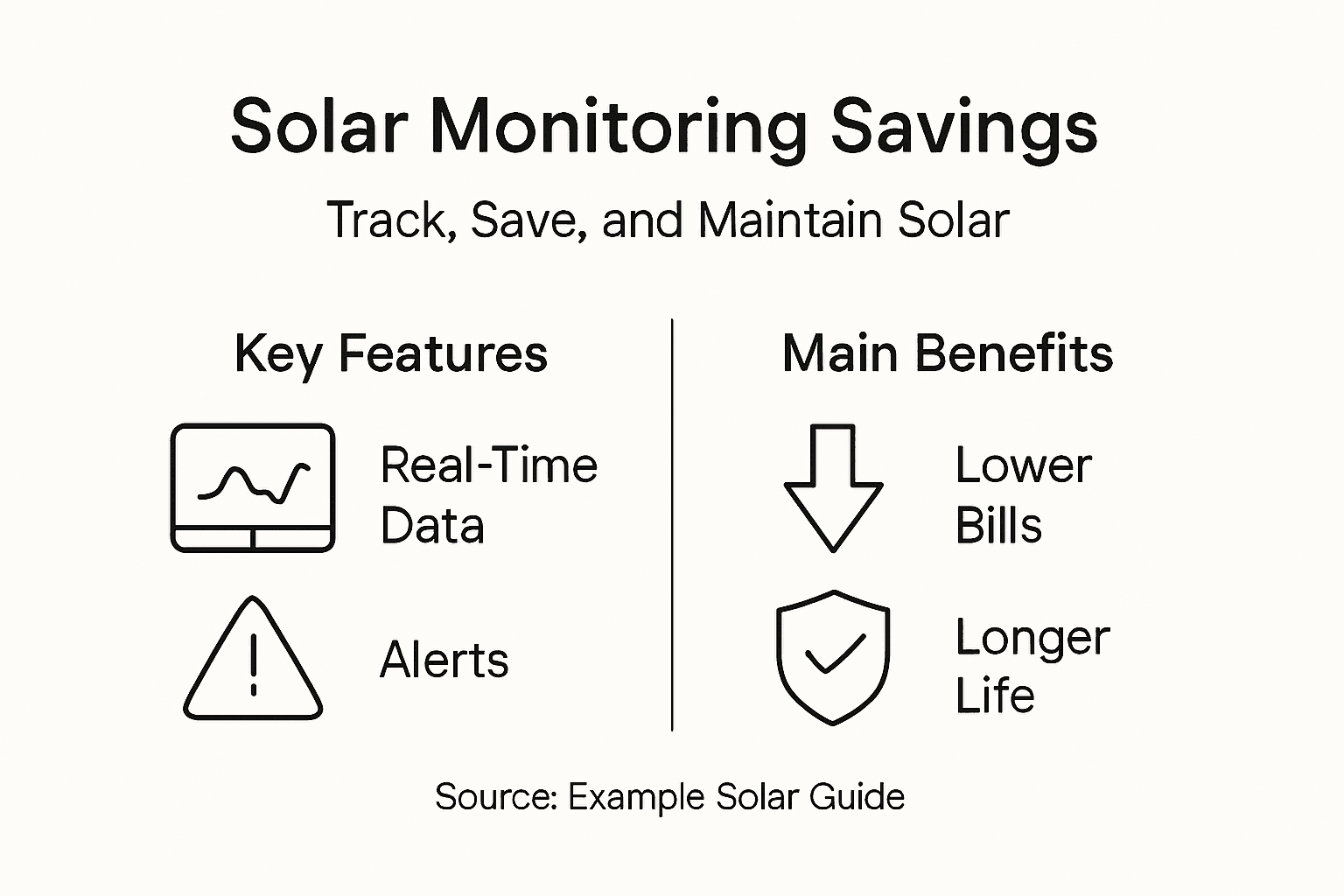
The table below summarizes key financial and maintenance factors for solar monitoring investments in Florida:
| Factor | Role in Investment | Example Impact |
|---|---|---|
| Initial Equipment Cost | Upfront purchase needed | Affects payback period |
| Maintenance Schedule | Routine system upkeep | Extends panel and monitor lifespan |
| Incentives & Rebates | Offset total expense | Lowers net out-of-pocket cost |
| Insurance Coverage | Financial risk protection | Minimizes loss from storm damage |
Pro tip: Create a dedicated maintenance fund and schedule annual professional inspections to protect your solar investment and ensure maximum long-term performance.
Unlock the Full Potential of Your Solar Investment with Real-Time Monitoring
Managing your Florida home’s solar energy production can feel overwhelming when faced with complex data and unclear energy patterns. This article highlights how real-time solar monitoring breaks down those barriers by providing easy-to-understand insights to track system performance, detect inefficiencies, and maximize savings. If you want to turn those energy metrics into meaningful financial benefits and sunny days of lower bills, the right solar solution is key.
At PES Solar, we specialize in delivering advanced residential solar systems tailored to local conditions and your unique energy profile. Our offerings include expert installation of high-quality solar panels and integration of cutting-edge monitoring technologies designed for Florida’s climate. By combining this with options like Tesla Powerwall battery storage, you can get precise control over your energy use and protection against outages.
Experience peace of mind and clear savings from day one. Explore how our team can help you harness the power of real-time data to unlock lasting energy independence and improved property value through solar. Start your journey with a free consultation today at PES Solar and see the difference smart solar monitoring makes.
Take control of your solar future now
Visit PES Solar to get your free estimate and learn how our tailored solar solutions put you in command of your energy.
Frequently Asked Questions
What is solar monitoring and how does it work?
Solar monitoring is a technology that allows homeowners to track and analyze their solar panel system’s energy production and performance in real time. It works by collecting data through sensors, which are then processed and transmitted to a cloud server, where users can access insights through a dashboard.
What are the benefits of using solar monitoring?
Solar monitoring provides several benefits, including the ability to identify inefficiencies in your solar system, optimize energy usage, maximize savings, and understand energy consumption patterns. It empowers homeowners with actionable data for informed decision-making about their energy strategies.
Are solar monitoring systems complicated to use?
No, modern solar monitoring systems are designed with user-friendly interfaces. They simplify complex energy data into easy-to-understand visuals, making it accessible for homeowners without extensive technical knowledge.
How can I maximize my savings with solar monitoring?
To maximize savings with solar monitoring, utilize real-time data to adjust your energy consumption habits, identify maintenance needs to ensure system efficiency, and take advantage of any energy credits available through utility interactions. Regularly analyze performance data to optimize your solar investment.
Recommended
- Do You Really Save Money Installing Solar Panels? | PES Solar
- Do You Really Save Money Installing Solar Panels? | PES Solar
- How To Maximize Solar Savings For Florida Homes
- The Cost-Saving Benefits Of Net Metering | PES Solar
- Portable Power Solutions for Your Active Lifestyle | Porta Power
- Nachhaltige Laserapplikationen: Effizienz und Umweltvorteile – Laserdienstleistungen
- Waarom Energiebesparende Kozijnen Essentieel Zijn
- Solar Panel Installation Tampa FL
- Solar Panel Installation Orlando FL
