
Finding ways to lower high energy bills is a challenge many Florida homeowners face, especially when summer heat sends those numbers climbing. With electricity prices rising and sustainability top of mind, taking a closer look at solar options not only trims expenses but can boost your property’s value too. This guide walks you through straightforward steps to make smart, budget-friendly solar decisions—from sizing up your home’s energy use to choosing efficient panels and trusted installers—so you can enjoy real savings while living greener.
Table of Contents
- Step 1: Assess Your Energy Needs And Goals
- Step 2: Evaluate Roof Condition And Sun Exposure
- Step 3: Compare Panel Types And Efficiency Ratings
- Step 4: Calculate Costs And Explore Incentives
- Step 5: Verify Installer Credentials And Schedule Installation
Quick Summary
| Key Point | Explanation |
|---|---|
| 1. Assess Your Energy Needs First | Review your past electricity bills to determine your home’s actual energy consumption and set realistic goals for your solar system. |
| 2. Evaluate Roof Condition & Exposure | Inspect your roof for structural integrity and sun exposure to determine if it can support solar panels effectively. |
| 3. Understand Panel Types & Ratings | Familiarize yourself with different solar panel types and their efficiency ratings to select the best option for your energy requirements. |
| 4. Calculate Costs & Explore Incentives | Analyze total costs, available tax credits, and rebates to understand the financial benefits of going solar in Florida. |
| 5. Verify Installer Credentials Thoroughly | Ensure your solar installer is licensed and certified to avoid issues with the installation and performance of your solar system. |
Step 1: Assess Your Energy Needs and Goals
Before you contact a solar company or start pricing systems, you need a clear picture of how much energy your home actually uses. This step determines everything about your solar investment, from system size to potential savings. Think of it as taking your home’s pulse before writing a prescription.
Start by pulling your electricity bills from the past year. Look at the kilowatt-hours you consumed each month, not just the dollar amount. Most Florida homeowners see seasonal spikes when air conditioning runs constantly in summer and dips in winter. Write down these monthly averages. This real data beats any guesswork about your energy consumption.
Next, use solar calculators to estimate system size and expected power output based on your actual usage patterns. Tools like Google Project Sunroof or EnergySage let you input your address and electricity consumption to see what a system could produce for your specific roof. You’ll get realistic projections for how much energy solar panels would generate at your location.
Now define your actual goals. Are you trying to eliminate your entire electric bill, or just trim 30 percent off it? Do you want to achieve complete energy independence, or are you focused on maximizing your return on investment? Some homeowners prioritize increasing property value, while others care most about the environmental impact. Your goals shape everything from system size to the financing option you choose.
Consider how long you plan to stay in your home. If you’re moving in five years, you need to recoup costs faster than someone planning to live there for 15 years. Also factor in available incentives like federal tax credits and Florida rebates. These programs directly impact your financial timeline and whether solar makes sense for your specific situation.
Pro tip: Document your highest consumption months and lowest production months separately, since Florida’s summer peak cooling needs don’t align with peak solar production, and planning for this mismatch helps you choose the right system size and battery backup options.
Step 2: Evaluate Roof Condition and Sun Exposure
Your roof is where the magic happens, so you need to know if it’s ready for solar panels. This step checks two critical factors: whether your roof can handle the panels physically, and whether it gets enough sunlight to make solar worthwhile. Think of it as making sure your home’s foundation is solid before building on it.
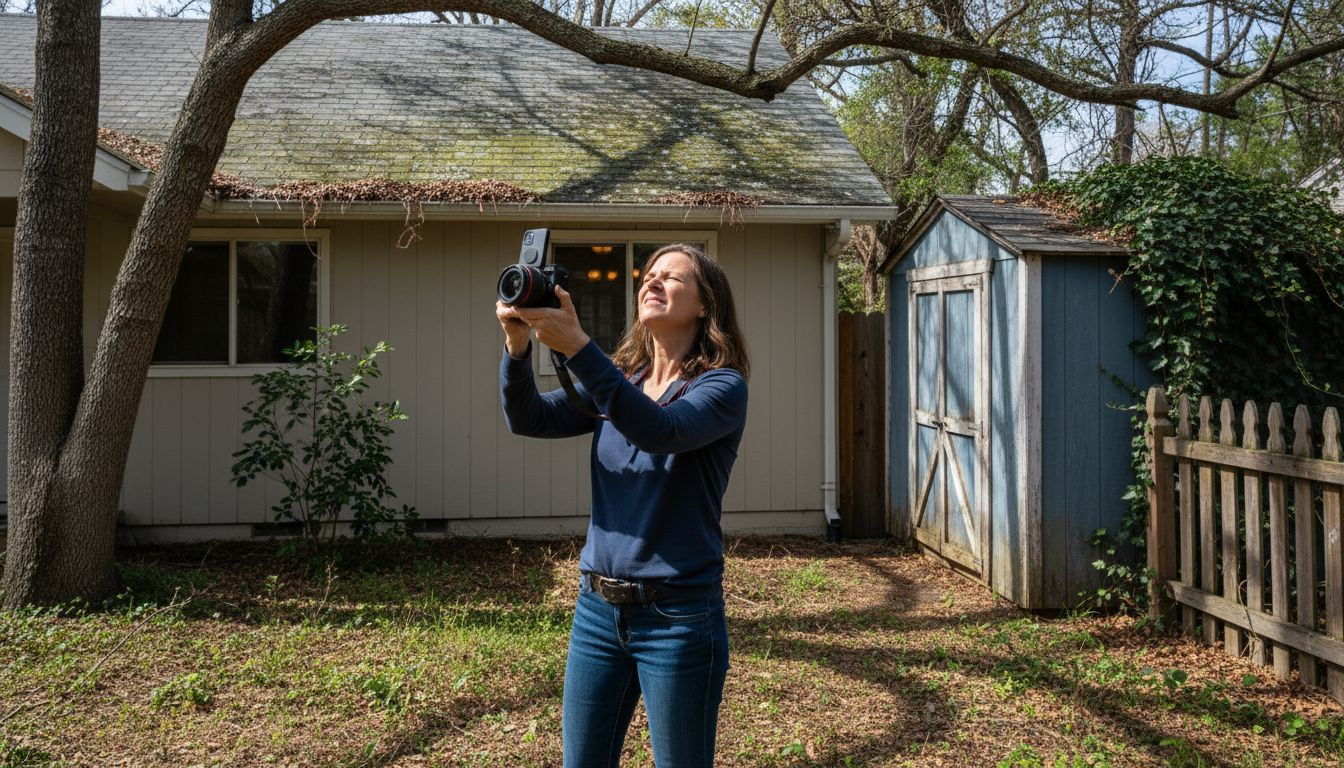
Start by walking around your home and observing tree coverage and shade patterns throughout the day. Notice which areas get direct sunlight from morning to afternoon. Solar panels need unobstructed access to the sun, ideally at least five to six hours of peak sun daily. In Florida, your roof’s orientation matters too. South and southwest facing roofs capture the most solar energy, though east and west exposures still work reasonably well.
Next, assess your roof’s structural integrity and age. If your roof is nearing the end of its lifespan, you should replace it before installing panels rather than removing and reinstalling them later. Walk the interior attic space if you can safely do so, looking for water stains, rot, or sagging. Check the exterior for missing or damaged shingles, rusted flashing, or loose materials. A solar professional can help evaluate this, but knowing the basics saves time and money.
Consider local environmental factors that affect your system’s longevity. Evaluating structural integrity and local flood risk helps prevent damage to your installation over time. Florida’s weather brings salt spray near coastal areas, high winds during hurricane season, and intense sun exposure year-round. These conditions may require specific mounting hardware or materials that cost more upfront but protect your investment.
Also think about roof space and layout. Your roof needs enough unshaded area to fit the number of panels your energy goals require. A smaller roof might limit system size, which means lower energy production and smaller savings. If you’re working with a tight space, you may need premium high-efficiency panels that cost more but produce more power per square foot.
Pro tip: Take photos of your roof from the ground and note the direction each side faces using your phone’s compass app, then share these with installers during consultations to get accurate shade and production estimates before they visit.
Step 3: Compare Panel Types and Efficiency Ratings
Not all solar panels perform equally. This step helps you understand the different panel types available and what their efficiency ratings actually mean for your home. Better efficiency means more power from less roof space, which matters when every square foot counts.
Start by learning the main panel types you’ll encounter. Monocrystalline panels are the most common choice for residential installations, offering solid efficiency around 20 percent and lasting 25 to 30 years. Polycrystalline panels cost slightly less but generate less power per square foot. Thin film panels take up more space but work better in shaded conditions and extreme heat. Understanding solar PV technologies and efficiency differences helps you match panel types to your specific roof conditions and energy goals.
Here’s a concise comparison of major solar panel types for homeowners:
| Panel Type | Efficiency Range | Lifespan | Best For |
|---|---|---|---|
| Monocrystalline | 19% to 22% | 25–30 years | Limited roof space |
| Polycrystalline | 15% to 17% | 20–25 years | Lower initial cost |
| Thin Film | 10% to 12% | 10–20 years | High heat/shaded areas |
Efficiency ratings tell you what percentage of sunlight a panel converts into usable electricity. A 20 percent efficient panel converts one fifth of the sun’s energy hitting it into power for your home. Higher efficiency panels produce more electricity in the same space, which means you can meet your energy goals with fewer panels. However, premium high efficiency panels cost more upfront. For most Florida homeowners with moderate roof space, standard 19 to 21 percent efficiency panels deliver excellent value.
Don’t confuse efficiency with performance ratings. A panel’s wattage rating tells you how much power it produces under ideal conditions, while its efficiency rating compares it to industry standards. You might see panels rated at 300 watts, 350 watts, or higher. Higher wattage panels mean fewer total panels needed on your roof. Ask installers about both metrics when comparing options.
Consider degradation rates too. Quality panels lose around 0.5 percent of their output annually, while cheaper panels might lose 1 percent yearly. Over 25 years, that difference adds up to meaningful energy loss. Check manufacturer warranties carefully. Most reputable brands guarantee 80 to 90 percent output after 25 years.
Pro tip: Request specification sheets for any panels under consideration and compare the efficiency rating, wattage, and degradation rate side by side on a spreadsheet, then calculate the total cost per watt to find the real value, not just the lowest price.
Step 4: Calculate Costs and Explore Incentives
Now comes the financial reality. This step breaks down what solar actually costs and reveals the incentives that can dramatically reduce your out-of-pocket expense. Many Florida homeowners are surprised by how affordable solar becomes after incentives kick in.
Start by understanding the full cost picture. Solar systems include hardware costs like panels, inverters, and mounting equipment, plus soft costs such as permitting, labor, and inspection fees. Most residential systems run between 15,000 and 25,000 dollars before any incentives. A 6 kilowatt system for a typical Florida home might cost around 18,000 dollars. Get multiple quotes from installers to see how pricing varies based on equipment quality and installation experience.
Then calculate your actual savings using production estimates. Use online tools to determine how much electricity your system will generate annually at your location. Multiply that by your current electricity rate to see annual savings. If your system produces 8,000 kilowatt-hours per year and electricity costs 0.12 dollars per kilowatt-hour, you save approximately 960 dollars annually. Over 25 years, that’s 24,000 dollars in savings, which dramatically changes the financial picture.
The federal investment tax credit covers 30 percent of installation costs, directly reducing your tax liability. That means a 18,000 dollar system drops to 12,600 dollars after the tax credit. Florida also offers additional incentives through various programs. Check state incentive programs by zip code to discover rebates, performance payments, and financing assistance specific to your area. Some utilities offer rebates when you install solar, while others provide accelerated depreciation benefits.
The table below summarizes estimated costs, incentives, and overall savings for typical Florida solar installations:
| System Size | Typical Cost (Before Incentives) | Federal Tax Credit (30%) | Estimated 25-Year Savings |
|---|---|---|---|
| 6 kW | $18,000 | $5,400 | $24,000 |
| 8 kW | $22,000 | $6,600 | $32,000 |
| 10 kW | $25,000 | $7,500 | $40,000 |
Explore financing options too. You can pay cash for faster returns, take a solar loan to spread payments over time while keeping tax credits, or use a power purchase agreement where a third party owns the system and you buy the power. Each option affects your savings timeline differently. Solar loans let you own the system and benefit from incentives while avoiding a large upfront payment.
Pro tip: Create a spreadsheet comparing total installed cost minus federal tax credit, state rebates, and utility incentives for each quote, then divide by estimated annual production to find the true cost per kilowatt-hour generated across 25 years.
Step 5: Verify Installer Credentials and Schedule Installation
Your system is only as good as the people who install it. This step ensures you hire qualified professionals who will do the job right the first time. Hiring the wrong installer can lead to performance issues, safety problems, and expensive callbacks down the road.
Start by checking if your installer holds proper licensing. Each state has specific requirements for solar installers, and Florida requires licensed electrical contractors to perform solar installations. Ask potential installers to provide their license numbers and verify them with the Florida Department of Business and Professional Regulation. National Solar Licensing Database resources help you confirm that installers meet state and local requirements for your area.
Beyond basic licensing, look for certifications that demonstrate expertise. NABCEP certified installers have completed documented education and work experience, then passed a comprehensive exam proving their knowledge. This certification validates that someone understands electrical codes, safety protocols, and system design. When you see NABCEP certification on a company’s website, you know they take professional standards seriously.
Ask for references from recent installations in your neighborhood. Call these homeowners and ask about their experience with the company. Did the crew arrive on time? Was the installation clean and professional? Did they explain everything clearly? How has the system performed? Word of mouth tells you more about a company’s reliability than any marketing claim ever could.
Request written quotes that break down all costs clearly. Compare equipment specifications across quotes, not just total price. The cheapest option might use lower quality inverters or panels that degrade faster. Once you choose your installer, they’ll handle permitting and scheduling. Installation typically takes one to three days depending on system size. After installation, the utility conducts an inspection before your system connects to the grid.
Pro tip: Ask each installer for their warranty terms in writing, including labor coverage length and whether they cover weather related damage, then compare these alongside equipment warranties before making your final decision.
Discover Your Ideal Solar Solution with PES Solar
Choosing the right solar panels for your home can feel overwhelming. From evaluating your energy needs and roof condition to comparing panel types and calculating costs, every step requires expert guidance. Many homeowners share concerns about achieving energy independence, maximizing savings, and navigating incentives while ensuring a reliable, efficient installation.
At PES Solar, we understand these challenges and are here to help you every step of the way. Our Florida-based team specializes in tailored residential solar solutions designed to lower your energy bills, increase property value, and simplify access to critical tax credits and rebates. Whether you need high-efficiency REC solar panels or advanced Tesla Powerwall battery options, we customize systems that match your unique goals and roof conditions. Explore how our professional assessments and licensed installers turn complex decisions into clear, confident investments in your home.
Elevate your solar journey by connecting with trusted local experts. For detailed guidance and personalized quotes, visit PES Solar and take the first step toward smart, cost-effective renewable energy.
Get your free estimate today and see why so many Florida homeowners trust PES Solar for their clean energy transformation.
Learn more about our solar installation services and start reducing your electricity costs now.
Explore our financing and incentive options to maximize your solar investment benefit.
Frequently Asked Questions
How do I assess my energy needs before choosing solar panels?
Start by reviewing your electricity bills from the past year to track your monthly energy consumption in kilowatt-hours. Document your highest and lowest usage months to better understand your needs, which will help determine the size of the solar system to install.
What factors should I consider about my roof before installing solar panels?
Evaluate your roof’s structural integrity and ensure it gets enough sunlight. Look for shading from trees or other buildings and make sure your roof material can support solar panels, as this will be critical for maximizing energy production.
What types of solar panels should I consider for my home?
Consider the different types of solar panels: monocrystalline, polycrystalline, and thin film. Monocrystalline panels offer the highest efficiency and lifespan, making them a solid choice if roof space is limited.
How can I calculate the cost of installing solar panels?
Determine the total cost by adding the hardware and installation costs, typically between 15,000 and 25,000 dollars. Factor in available incentives, such as tax credits, to understand your potential savings and the overall financial impact of your investment.
What should I look for in a solar panel installer?
Ensure that your installer is properly licensed and holds relevant certifications, such as NABCEP certification. Ask for references from recent installations and request written quotes to compare costs and equipment specifications.
How do I evaluate the efficiency ratings of solar panels?
Efficiency ratings indicate how well a solar panel converts sunlight into energy, with higher percentages translating to better performance. Compare the efficiency ratings, wattage, and degradation rates of different panels to make an informed decision based on your roof space and energy goals.
