
Choosing the right solar panel system for your Florida property in 2026 requires evaluating multiple criteria, from panel efficiency and roof condition to permits and financial incentives. With solar panel efficiency exceeding 20% and installation costs down 70% over the past decade, solar has never been more accessible. This comprehensive checklist walks you through the essential factors, system options, and decision points to maximize your energy savings and independence. Whether you’re a homeowner or business owner, understanding these elements ensures you select the best solar solution for your specific needs and budget.
Table of Contents
- Evaluating Key Criteria For Your 2026 Solar Panel System
- Top Solar Panel And System Options For Florida In 2026
- Comparing Solar Panel Systems And Financial Incentives In Florida 2026
- Making The Right Solar Panel Decision For Your Florida Property In 2026
- Get Started With Professional Solar Panel Installation In Florida
- Frequently Asked Questions
Key takeaways
| Point | Details |
|---|---|
| Efficiency gains | Modern panels now exceed 20% efficiency, making solar more productive than ever. |
| Cost reductions | Installation prices have dropped 70% in the last decade, improving affordability. |
| Permitting essentials | Florida requires building and electrical permits plus utility pre-approval before installation. |
| Financial incentives | Federal tax credits, sales tax exemptions, and net metering significantly reduce effective costs. |
| Battery storage value | Energy storage enhances independence and provides backup power during outages. |
Evaluating key criteria for your 2026 solar panel system
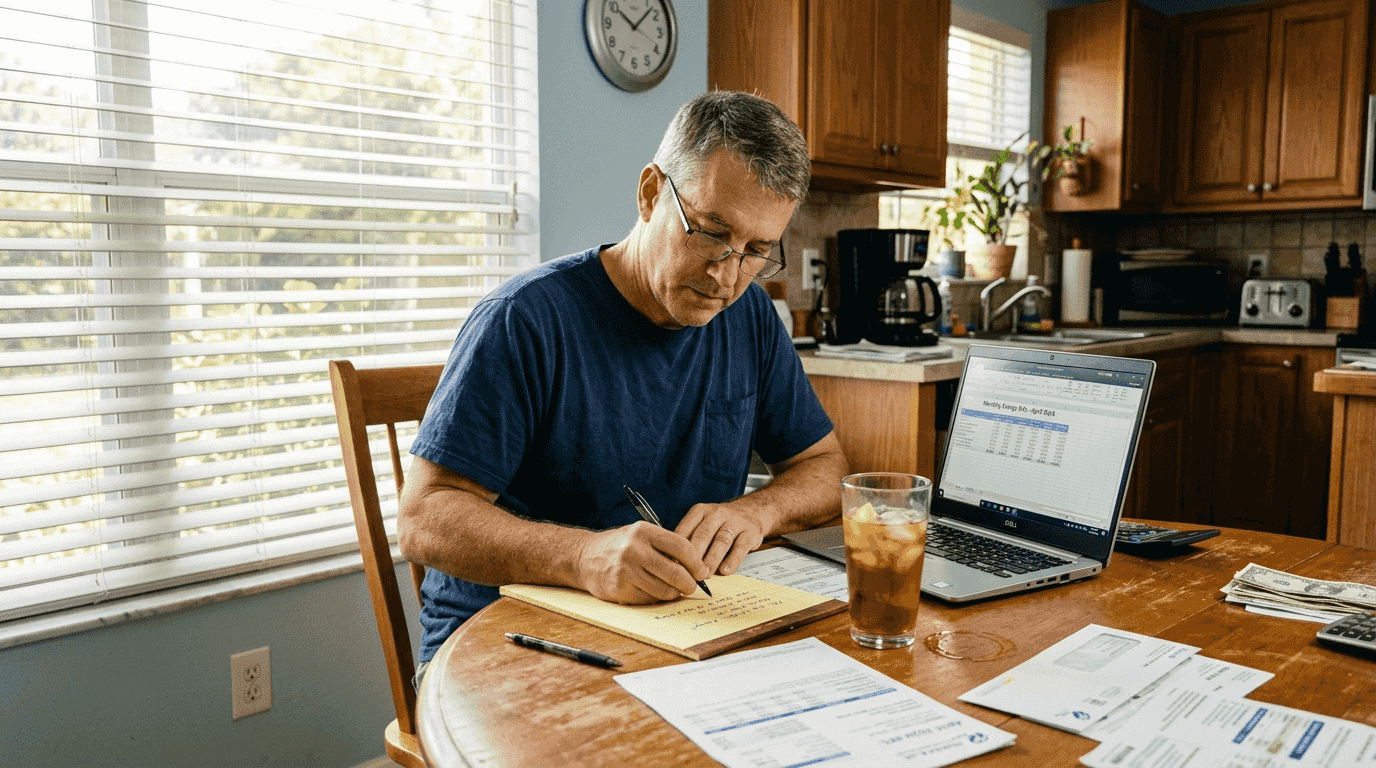
Before selecting panels, assess your property’s energy needs and future consumption patterns. Calculate your current monthly usage and factor in potential increases from electric vehicles or home expansions. Your roof’s condition and orientation directly impact system performance and installation feasibility. South-facing roofs with minimal shade deliver optimal energy production in Florida’s climate.
Florida’s regulatory environment requires specific attention to permitting and compliance. Most municipalities mandate both building and electrical permits, often combined into a single solar permit package. Understanding solar panel rules in Florida helps you navigate these requirements efficiently. Utility companies like FPL require pre-approval before installation begins, adding a critical step to your timeline.
Net metering policies determine how you’re compensated for excess energy sent back to the grid. Florida utilities typically credit your account at retail rates, though minimum monthly bills still apply regardless of production. These policies significantly affect your return on investment and payback period. Review your utility’s specific net metering terms and minimum bill structures before finalizing your system size.
Financial incentives substantially reduce your upfront costs and improve long-term savings. The federal solar tax credit, Florida’s sales tax exemption, and property tax exemptions all lower your effective investment. Local utility rebates may provide additional savings depending on your service area. Calculate the combined impact of these incentives when comparing system costs and financing options.
Pro Tip: Request multiple quotes from certified installers to compare system designs, equipment quality, and warranty terms. Price alone shouldn’t drive your decision when long-term performance and support matter equally.
- Measure your annual energy consumption in kilowatt-hours to size your system accurately
- Inspect your roof for age, condition, and structural integrity before installation
- Verify your utility’s net metering rates and minimum bill requirements
- Document all available federal, state, and local incentives for your property type
- Consider future energy needs from planned additions or electric vehicle charging
Top solar panel and system options for Florida in 2026
Monocrystalline panels represent the premium choice for Florida installations, offering the highest efficiency ratings and longest lifespans. These panels convert more sunlight into electricity per square foot, making them ideal for properties with limited roof space. Expect to pay more upfront, but the superior performance and 25-year warranties justify the investment for most homeowners. Their sleek black appearance also provides better aesthetics than alternative technologies.
Polycrystalline panels deliver solid performance at a lower price point, making them popular for budget-conscious installations. While efficiency trails monocrystalline options by a few percentage points, the cost savings can be substantial for larger systems. These blue-tinted panels work well when roof space isn’t constrained and maximizing initial savings matters more than peak efficiency. Most manufacturers offer 20 to 25-year warranties on polycrystalline products.
Thin-film solar panels offer the most affordable entry point but sacrifice efficiency and longevity. These flexible panels suit specific applications like curved roofs or portable systems but rarely make sense for permanent residential installations in Florida. Their lower efficiency means you’ll need significantly more roof area to generate equivalent power. Consider thin-film only if unique architectural constraints prevent traditional panel mounting.
Grid-tied systems connect directly to your utility, allowing you to draw power when production falls short and export excess energy for credits. This configuration costs less initially since it doesn’t require battery storage. You remain dependent on the grid during outages, which can be problematic during Florida’s hurricane season. Most residential installations start as grid-tied systems due to their simplicity and lower investment.
Battery-backed systems provide energy independence and backup power during grid failures, a critical advantage in storm-prone Florida. Solar battery options have become more affordable as battery storage solutions enhance energy independence and grid resilience. Adding batteries increases your upfront cost by $10,000 to $15,000 but delivers peace of mind and protection against utility rate increases. The value of backup power during extended outages often justifies the additional investment for Florida homeowners.
- Monocrystalline panels deliver 18% to 22% efficiency with premium pricing
- Polycrystalline panels offer 15% to 17% efficiency at moderate cost
- Grid-tied systems cost $15,000 to $25,000 for typical residential installations
- Battery backup adds $10,000 to $15,000 to system costs
- Solar panel examples help visualize different technologies and configurations
Comparing solar panel systems and financial incentives in Florida 2026
Florida homeowners typically pay approximately $2.18 to $2.71 per watt of solar installed as of 2026, with an average around $2.45 per watt. A standard 6-kilowatt residential system costs $13,000 to $16,000 before incentives. System size, equipment quality, and installation complexity all influence your final price. Larger commercial installations benefit from economies of scale, reducing per-watt costs significantly.
The federal solar tax credit reduces your effective cost by 30%, representing thousands in savings for most installations. This credit applies to both equipment and installation labor, maximizing your benefit. Florida’s 6% sales tax exemption on solar equipment further lowers upfront costs. Combined with the property tax exemption on added home value, these incentives can cut your net investment nearly in half.
Net metering policies from utilities like FPL credit excess production at retail rates, though minimum monthly bills still apply. Understanding these minimums helps you right-size your system to avoid overproduction that doesn’t provide additional value. Most Florida utilities maintain minimum bills between $10 and $30 monthly regardless of your solar production. Factor these ongoing costs into your payback calculations and savings projections.
Battery storage costs have declined substantially, making backup power more accessible to average homeowners. Lithium-ion batteries now cost $7,000 to $12,000 for typical residential capacity, down from $15,000 just five years ago. The combination of lower prices and improved technology makes storage increasingly attractive. During hurricane season, the ability to maintain power for refrigeration and air conditioning provides substantial practical value.
Pre-approval from FPL is mandatory before installation begins, adding two to four weeks to your project timeline. Submit your application early to avoid delays in your installation schedule. Utility interconnection requirements vary by provider, so confirm specific procedures with your local company. Missing this step can halt your project and create costly rework.
Pro Tip: Request a detailed breakdown of all costs, including permits, interconnection fees, and post-installation inspections. Hidden fees can add 5% to 10% to your total investment if not disclosed upfront.
“The combination of federal tax credits, state exemptions, and net metering makes Florida one of the most financially attractive states for solar investment in 2026.”
| System Type | Cost Range | Efficiency | Best For |
|---|---|---|---|
| 6kW Monocrystalline Grid-Tied | $14,000-$17,000 | 18%-22% | Limited roof space, maximum output |
| 6kW Polycrystalline Grid-Tied | $12,000-$15,000 | 15%-17% | Budget-conscious, ample roof area |
| 6kW Mono with 10kWh Battery | $24,000-$29,000 | 18%-22% | Hurricane preparedness, independence |
| 10kW Commercial Monocrystalline | $22,000-$27,000 | 18%-22% | Business operations, high daytime usage |
- Calculate solar panel installation costs including all fees and incentives
- Apply the 30% federal tax credit to reduce your net investment
- Factor in Florida’s 6% sales tax exemption on equipment
- Account for minimum monthly utility bills in savings projections
- Consider battery storage for backup power during outages
Making the right solar panel decision for your Florida property in 2026
Your roof’s age and condition determine whether solar installation makes sense now or after replacement. If your roof is over 10 to 15 years old, consider replacement before adding panels to avoid costly removal and reinstallation later. Most solar systems last 25 years or more, so your roof should have comparable remaining life. Inspect for structural issues, water damage, or deteriorating shingles before proceeding.
Installer warranties and roof penetration guarantees protect your investment against leaks and damage. Reputable companies warranty their mounting work for 10 years or more, covering any roof issues caused by installation. Verify warranty terms in writing and confirm the installer carries adequate liability insurance. These protections provide peace of mind and financial security throughout your system’s lifetime.
Follow Florida’s step-by-step permit and inspection process to ensure code compliance and utility approval. Most installations require initial permit application, installation inspection, electrical inspection, and final utility interconnection approval. Each step adds time to your project but ensures safety and proper operation. Work with experienced installers who handle permitting to streamline the process and avoid delays.
Plan your system size based on actual energy usage patterns, not just annual totals. Review hourly and seasonal consumption to match production with demand. Oversizing your system provides minimal benefit if net metering credits don’t offset minimum bills. Right-sizing optimizes your return on investment and prevents wasted capacity. Use your utility’s online tools to analyze usage trends and identify optimization opportunities.
Minimum utility bills and net metering benefits directly affect your long-term savings and payback period. Even with zero energy consumption, you’ll pay minimum monthly charges for grid connection. These fees reduce the value of excess production credits, making perfect offset less valuable than it appears. Factor these ongoing costs into your financial analysis and system sizing decisions.
- Inspect your roof’s age, condition, and structural integrity
- Obtain multiple quotes from certified Florida solar installers
- Apply for building and electrical permits through your municipality
- Submit utility pre-approval application to your energy provider
- Schedule installation after all permits and approvals are secured
- Complete required inspections before final utility interconnection
- Activate your system and monitor production through installer’s app
Pro Tip: Use the solar home preparation checklist to verify your property meets all requirements before requesting installer quotes. This preparation speeds up the process and prevents costly surprises.
Get started with professional solar panel installation in Florida
Navigating Florida’s solar landscape becomes simpler with expert guidance and proven installation processes. Professional installers handle permitting, utility coordination, and technical design to ensure optimal system performance. Access detailed resources through the step-by-step solar installation guide to understand each phase of your project.
Follow complete solar installation steps from initial assessment through final activation to maximize your investment. Expert installers optimize panel placement, electrical configuration, and monitoring setup for peak efficiency. Explore solar financing options in Florida to find payment plans that match your budget and cash flow needs. Professional support ensures you capture every available incentive while avoiding common pitfalls that reduce system performance or increase costs.
Frequently asked questions
What permits are required for solar panels in Florida?
Florida typically requires both building and electrical permits for solar panel installations, though many municipalities offer combination solar permits to simplify the process. Your installer usually handles permit applications, but you’re responsible for ensuring compliance with local codes. Florida solar permitting varies by county and city, so verify specific requirements with your local building department. Most permits cost $200 to $500 and add two to four weeks to your project timeline.
How much do solar panels cost in Florida in 2026?
Costs range approximately $2.18 to $2.71 per watt for residential installations, with typical 6-kilowatt systems costing $13,000 to $16,000 before incentives. The 30% federal tax credit reduces this to $9,100 to $11,200, while Florida’s sales tax exemption saves an additional 6%. Review detailed solar panel costs in Florida to understand how system size, equipment quality, and installation complexity affect your final investment. Commercial installations benefit from lower per-watt pricing due to economies of scale.
Will installing solar panels damage my roof?
Properly installed solar panels rarely damage roofs when mounted by experienced professionals using correct techniques and quality materials. Reputable installers seal all roof penetrations and provide warranties covering leaks or damage caused by their work. Most companies guarantee their mounting work for 10 years or more. Learn about solar panel impact on roofs to understand installation methods and protection measures that prevent issues.
What incentives help reduce solar installation costs in Florida?
The 30% federal solar tax credit applies to both equipment and installation costs, providing the largest single incentive for most homeowners. Florida’s 6% sales tax exemption on solar equipment reduces upfront costs, while the property tax exemption prevents increased assessments from added home value. Net metering credits from utilities like FPL compensate you for excess production at retail rates. Explore comprehensive Florida solar incentives to maximize your savings and accelerate payback periods.
