
Hot Florida summers push air conditioners to their limits, driving up monthly electricity bills for many homeowners. Solar panels promise real savings, but getting results starts with preparing your home for the investment. From understanding your unique energy usage to inspecting your roof’s structural integrity, homeowners can avoid costly mistakes and maximize solar benefits. Discover how careful energy assessment and site preparation lead to smarter financial decisions and long-term efficiency.
Table of Contents
- Step 1: Assess Home Energy Usage And Needs
- Step 2: Inspect Roof Condition And Structure
- Step 3: Upgrade Electrical Systems For Solar
- Step 4: Clear Installation Area And Access Points
- Step 5: Verify Readiness With Professional Consultation
Quick Summary
| Key Point | Explanation |
|---|---|
| 1. Analyze Your Energy Usage | Track your monthly kilowatt hours for a year to understand your electricity consumption patterns and peak usage times. |
| 2. Inspect Your Roof Thoroughly | Assess your roof’s condition, age, and orientation to ensure it can support solar panels and maximize energy production. |
| 3. Upgrade Electrical Systems as Needed | Evaluate your electrical panel and wiring to ensure they can handle solar energy, including potential upgrades before installation. |
| 4. Clear Installation Areas | Prepare your roof and surrounding areas by removing obstacles, ensuring clear pathways, and addressing any vegetation issues for safe installation. |
| 5. Consult Professionals Before Installation | Schedule consultations with multiple solar installers to verify your assessments and understand the system requirements and costs. |
Step 1: Assess Home Energy Usage and Needs
Before you can size a solar system that actually works for your home, you need to understand exactly how much electricity you consume. This isn’t just about taking a guess based on your utility bills. You’re looking for patterns, peak usage times, and your true energy footprint. Getting this right means your solar system will generate enough power to offset your consumption while eliminating costly oversizing or undersizing mistakes.
Start by pulling up your last 12 months of utility bills. Yes, all of them. Write down the kilowatt hours (kWh) used each month, and look for seasonal patterns. Florida homeowners typically see higher usage during summer months when air conditioning runs constantly, so you’ll notice significant spikes from June through September. Some months might show 25 to 30 percent higher consumption than winter months. This variation matters because it tells you whether a system sized for average consumption will actually handle your peak summer demands. Calculate your average monthly usage by adding up all 12 months and dividing by 12. If your home uses 1200 kWh per month on average, that becomes your baseline for solar system sizing.
Next, consider your future energy needs. Are you planning to add an electric vehicle? Maybe you’re thinking about a pool or a home addition? These changes will increase your electricity consumption, and you want your solar investment to account for them. If you’re planning to install a Tesla Powerwall battery or other energy storage, that also factors into your system design. Understanding electrical energy needs for grid-connected systems helps ensure your solar array matches both current and anticipated demands.
Use online calculators to validate your analysis. The PVWatts energy production estimator from the National Renewable Energy Laboratory lets you input your location, system size, and energy consumption to see estimated solar output. This tool shows you how many kWh a proposed system would generate monthly, making it easy to compare against your actual usage. Enter your address in Florida, plug in a system size (start with something modest), and the calculator reveals what you can realistically expect. You’ll see month-by-month projections, which is especially useful for understanding how much solar energy you’ll generate during Florida’s rainy season versus sunny months.
Don’t forget to check whether you have any special rates or time-of-use pricing from your utility. Some Florida utilities offer lower rates during off-peak hours, which can influence when you want to use major appliances or charge devices. If your electricity plan includes demand charges or seasonal rate variations, your solar strategy might shift slightly. This information comes from your utility bill, typically on the front or back page. When you understand these details upfront, you set yourself up for smarter system sizing that maximizes your financial returns.
Pro tip: Start your assessment during the month when you expect to receive your next bill, then track your daily usage using your utility provider’s app or website to catch any unusual spikes that might indicate an appliance malfunction before sizing your solar system.
Step 2: Inspect Roof Condition and Structure
Your roof is the foundation of your solar investment. Before a single panel goes up, you need to know whether your roof can handle the weight, how much life it has left, and whether its orientation will maximize solar production. A thorough roof inspection prevents costly complications down the road and ensures your solar system stays secure for decades.
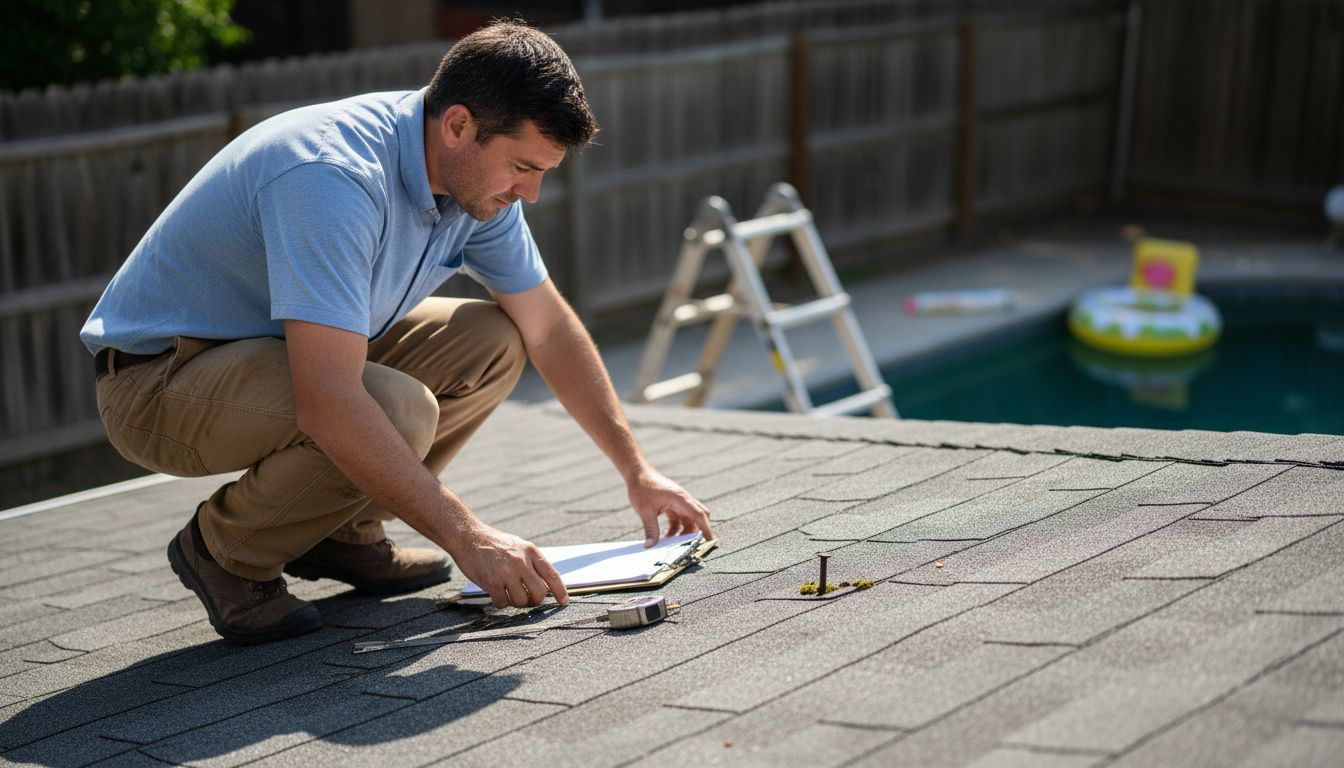
Start by examining your roof from the ground using binoculars if needed. Look at the overall condition, paying attention to any visible damage, missing shingles, or areas where the roof appears to sag or dip. Walk around your home’s perimeter and note which sides get the most direct sunlight throughout the day. In Florida, south-facing roofs typically capture the most solar energy, though west-facing sections can also generate significant power. Check for large trees or structures that cast shadows across your roof during peak sun hours. Even partial shade from a neighbor’s tree or a distant building can reduce solar panel efficiency by 20 to 40 percent, so document these obstacles carefully. Pay attention to roof penetrations like vents, chimneys, or skylights. Solar installers need to work around these, and they affect panel placement options.
Next, assess your roof’s age and material type. If your roof is 15 to 20 years old or nearing the end of its expected lifespan, you might want to replace it before going solar. Removing and reinstalling panels later to replace an aging roof becomes expensive and logistically complicated. Check your home’s records or ask your roofing contractor for the installation date. Common Florida roofing materials include asphalt shingles, clay tiles, metal roofing, and flat commercial membranes. Each material type affects installation methods, and some are more challenging to work with than others. Metal roofs and tile roofs, while durable, require specialized mounting hardware. The critical step is confirming your roof structure can support solar module weight and all associated hardware.
Inspect your roof’s structural integrity by looking at the attic or crawl space if accessible. Check for water stains, rot, or pest damage that might indicate underlying problems. You want to confirm that roof rafters and the overall frame are solid and will support the additional load from solar panels. Standard residential solar panels weigh about 40 to 50 pounds each, and a typical home installation might add 8000 to 12000 pounds of total weight distributed across the roof. Florida building codes require that roofs be engineered to handle this load safely. If you’re uncertain about structural capacity, hire a structural engineer or have your roofing contractor inspect the roof professionally. This costs between 300 and 500 dollars but provides peace of mind and professional documentation that satisfies solar installers and building inspectors.
Check for roof-mounted penetrations and equipment. Air conditioning units, satellite dishes, or antenna masts take up valuable roof real estate. Document their locations because solar designers need to route electrical conduit and avoid these obstacles. If you have a flat roof, walk it carefully to check for pooling water, which indicates drainage problems that need fixing before installation. Understanding roof type and structural condition helps ensure the installation goes smoothly and your panels perform optimally for 25 to 30 years.
Here’s a summary of how roof types impact solar installation in Florida:
| Roof Material | Installation Challenges | Durability | Impact on Panel Placement |
|---|---|---|---|
| Asphalt Shingles | Easy to install; common mounts | 15-25 years | Flexible; fewer restrictions |
| Clay Tiles | Requires specialized mounts | 50+ years | Fragile; limited installation zones |
| Metal Roofing | Needs custom hardware | 40-70 years | Durable; good for large arrays |
| Flat Membranes | Water pooling concerns | 15-30 years | Panels require tilt frames |
Take photos and measurements of your roof. Document the length and width of each roof section that receives good sun exposure. Note the pitch or angle of sloped sections. This visual record helps solar contractors provide accurate quotes and identifies potential complications early. When you have this information compiled, you’ll be ready for professional installers to conduct their detailed site assessment.
Pro tip: Take your roof photos during midday when shadows are shortest, then use a compass app on your phone to verify the direction each roof section faces, making it easier to identify your best solar exposure areas.
Step 3: Upgrade Electrical Systems for Solar
Your home’s electrical system is the backbone that connects solar panels to your appliances and the utility grid. Most older Florida homes were designed with electrical infrastructure that handles only the power they originally drew from the grid. Adding solar means your home now generates its own electricity, and that requires upgrades to safely manage the bidirectional flow of power. Before installation begins, you need to evaluate whether your current electrical setup can handle solar or if upgrades are necessary.
Start by examining your main electrical panel and service entrance. Your service panel is the metal box where all electricity enters your home and gets distributed to circuit breakers. Open the door and check the amperage rating. Older homes often have 100-amp service, while newer homes typically have 150 to 200 amps. Solar systems require additional dedicated circuits and breakers for the inverter, which is the device that converts the direct current electricity from your panels into alternating current that powers your home. If your service panel is at capacity with little or no available breaker slots, you’ll need a panel upgrade before proceeding. This upgrade might cost 1500 to 3000 dollars and requires a licensed electrician and building permits. The inverter also needs its own dedicated disconnect switch, which provides a way to safely shut down the system during maintenance or emergencies. Understanding the electrical requirements for grid-connected solar systems helps you anticipate what changes your home needs.
Have a licensed electrician conduct a comprehensive electrical inspection. They’ll assess your home’s grounding, wiring gauge, and whether you need panel upgrades, new circuits, or additional disconnects. Florida electrical codes are strict, and inspectors will verify that everything meets current safety standards. The electrician can also identify any substandard wiring that poses fire hazards or won’t safely carry the additional current from solar. If you’re planning to add battery storage like a Tesla Powerwall, your electrical system needs even more preparation. Battery systems require specialized inverters, additional safety equipment, and circuit designs that differ from grid-tied systems alone.
The balance of system components like proper wiring, disconnects, and safety equipment must meet code requirements. Your solar system’s inverter and safety equipment protect both your home and the utility grid. The inverter itself is a specialized piece of equipment that costs 2000 to 4000 dollars for a typical residential system, but it’s essential for safe operation. A DC disconnect between your panels and inverter lets you isolate the panel side of the system. An AC disconnect between your inverter and electrical panel allows safe shutdown of the grid-connected portion. These aren’t optional features, they’re code requirements that protect you and utility workers.
Compare major electrical upgrades needed for solar-ready homes:
| Upgrade Type | Typical Cost | Reason for Upgrade | Impact on Installation |
|---|---|---|---|
| Panel Replacement | $1,500 – $3,000 | Increase capacity, add breakers | Essential for new circuits |
| Dedicated Disconnects | $300 – $600 | Safe maintenance, code requirement | Required for code compliance |
| Wiring/Grounding Repair | $500 – $1,500 | Prevent fire hazards | Ensures safe power flow |
Consider the location of your electrical panel and inverter placement. Ideally, the inverter should be positioned relatively close to your main electrical panel to minimize wiring runs and voltage loss. Many installers mount inverters in garages, utility rooms, or on exterior walls. You’ll need to ensure adequate ventilation around the inverter since it generates heat during operation. Plan for adequate space and conduit pathways for all electrical connections. If you’re also considering battery backup, the battery itself might be installed in a garage, basement, or separate enclosure depending on the battery technology and your home’s layout.
Don’t overlook utility interconnection requirements. Your utility company has specific rules about how your solar system connects to the grid. They’ll conduct their own electrical inspection and may require additional equipment or modifications. Some utilities require specific inverters or communication equipment that allows them to monitor your system. Getting utility approval is part of the permitting process, and your installer typically handles these coordination details. Having your electrical system ready before the installer arrives prevents delays and additional costs.
Pro tip: Request a written electrical assessment from your installer before committing to a solar contract, which clearly outlines any panel upgrades, new circuit requirements, and estimated costs so there are no surprises during the permitting phase.
Step 4: Clear Installation Area and Access Points
Before your solar installation crew arrives, you need to prepare the physical space where they’ll work. This means clearing your roof and surrounding areas of anything that could slow down installation, create safety hazards, or block sunlight. A well-prepared site means faster installation, better safety outcomes, and maximum solar production from day one.
Start with your roof itself. Remove or secure anything loose that could shift during installation work. This includes antenna cables, satellite dishes that aren’t currently in use, loose tar or gravel if you have a flat roof, leaves, branches, and debris. Walk your entire roof carefully and look for items you might not immediately notice from the ground. Small branches hanging over the edges can pose hazards to installers carrying equipment up ladders. If you have a pitched roof, clear gutters of leaves and debris so installers have stable footing and water can drain properly during or after the work. Check for any loose flashing around vents or chimneys that could catch on equipment or create gaps where water might later enter.
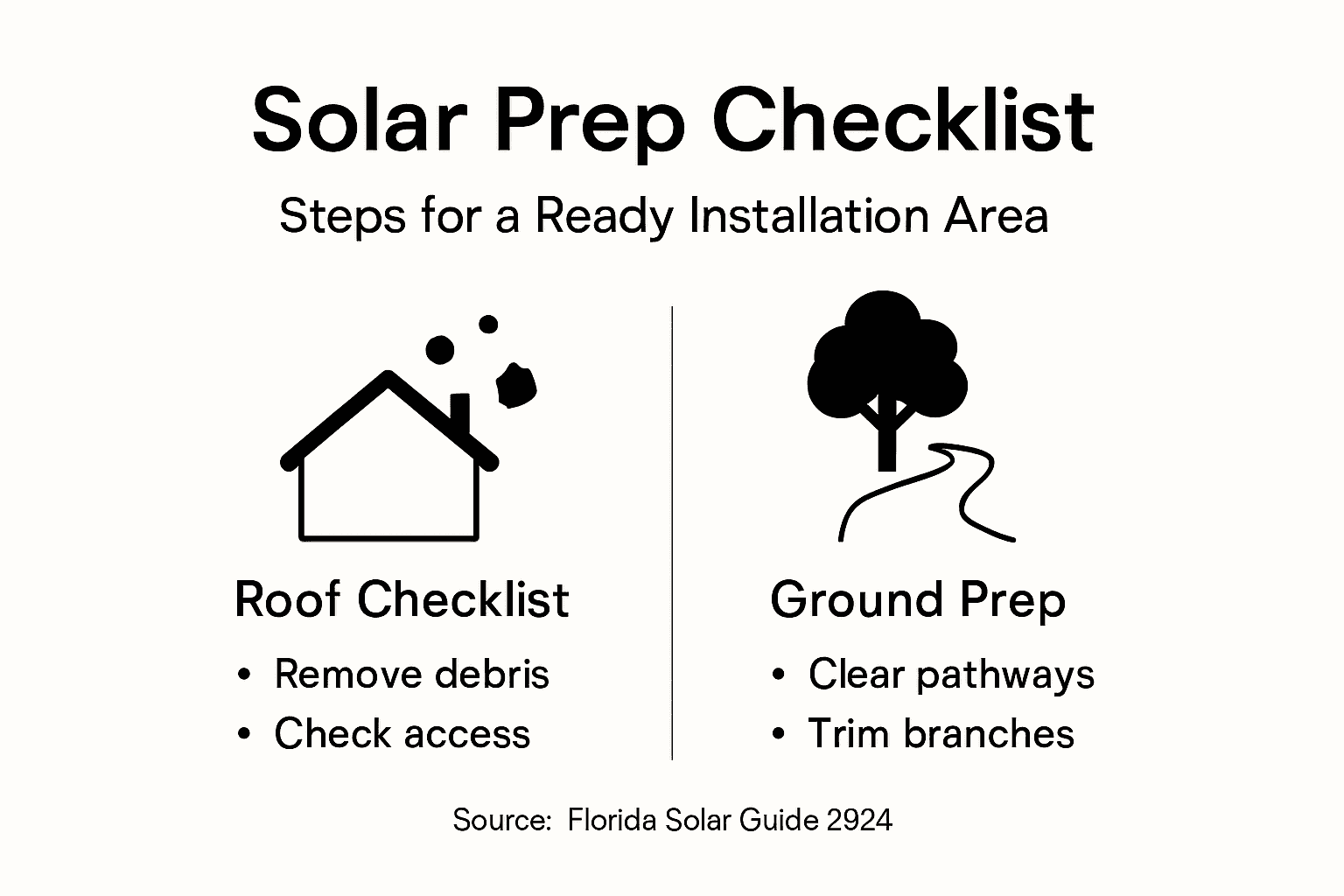
Next, prepare ground-level access points and pathways. Installers need safe routes to reach your roof from their trucks. Ideally, they should have a clear path from the driveway to wherever they’ll place their ladder or lift equipment. Remove garden hoses, toys, potted plants, outdoor furniture, and anything else in potential walkways. If you have a side yard or narrow passage leading to your roof access point, walk it yourself and note any low-hanging branches, protruding items, or uneven ground. Trimming back vegetation that could scratch equipment or block passage takes just a few hours but prevents installation delays. Make sure gate latches work smoothly and gates open fully. If access requires crossing landscaped areas, consider temporarily protecting plants or moving them if possible.
Address any vegetation blocking sunlight to your roof. Trim tree branches that hang over your roof or cast shadows during peak sun hours. This is particularly important in Florida where quick summer growth can shade roof sections that receive good sun in other seasons. Even branches that seem far away might create dappled shade across your panels. You don’t need to remove entire trees, but aggressive pruning of overhanging limbs makes a real difference. This also helps with future maintenance since overgrown vegetation makes it harder to access your system for cleaning or repairs down the road. Understanding proper site clearing for solar installation ensures both efficient installation and long-term system maintenance.
Clear any obstacles near your electrical panel or inverter location. If installers need access to your garage, utility room, or exterior wall where equipment will be mounted, ensure those areas are accessible and clutter-free. Move boxes, stored items, or seasonal decorations that block access. If your electrical panel is in a crowded utility closet, you might need to temporarily relocate items to give the electrician adequate workspace. This is also a good time to test any gates or doors that installers will use. A stuck garage door or locked utility shed discovered during installation day creates unnecessary delays.
Notify your neighbors about installation dates and potential noise. Installer trucks, lifts, and power tools generate significant noise typically between 7 AM and 4 PM. Letting neighbors know shows courtesy and prevents complaints to your local authorities that could halt work. Document the state of your landscaping with photos before installation begins. This creates a record if any damage occurs during the work and gives you a baseline for restoring any cleared vegetation afterward. Preparing your rooftop and surrounding areas for safe and efficient installation access prevents complications and keeps the project on schedule.
Pro tip: Schedule a pre-installation walkthrough with your solar installer a day or two before work begins so they can identify any access issues or safety concerns and communicate exactly what areas need clearing.
Step 5: Verify Readiness with Professional Consultation
You’ve done your homework. You’ve assessed your energy usage, inspected your roof, evaluated your electrical system, and prepared your property. Now it’s time to bring in the professionals who will ultimately install your solar system and ensure everything meets code requirements. A thorough professional consultation validates all your preparation work and identifies any issues you might have missed, saving you money and headaches later.
Contact multiple solar installers and request free on-site consultations. This is standard in the industry, and reputable companies like PES Solar offer these at no obligation. During the consultation, the installer will conduct their own detailed assessment that goes beyond what you’ve prepared. They’ll verify your roof measurements, check electrical panel capacity, assess shading more precisely using specialized equipment, and discuss system sizing based on your energy needs and financial goals. They’ll walk your property with a trained eye that spots potential issues like inadequate roof ventilation, structural concerns you might not have noticed, or utility infrastructure that affects installation complexity. This professional perspective is invaluable because installers have completed hundreds of installations and recognize patterns that homeowners miss. They can also discuss whether professional evaluation of site suitability and electrical compatibility reveals any deal-breaking issues or simple solutions to problems you’ve identified.
Use the consultation to understand the complete scope of work. The installer should explain exactly which roof sections they’ll use, how many panels fit, what the system will generate annually, and how it connects to your electrical panel. They’ll discuss inverter placement and whether electrical panel upgrades are necessary. Ask specifically about permit requirements, utility interconnection timelines, and the installation timeline itself. A typical residential installation takes one to three days, but permitting and utility approval can add weeks or months to the overall timeline. The installer should provide a detailed written proposal that includes system size in kilowatts, estimated annual electricity production, equipment specifications, total cost, available financing options, and expected payback period. Don’t settle for vague estimates. You want specifics that let you compare offers from multiple installers meaningfully.
During consultation, verify that the installer addresses all your home-specific conditions. Florida solar installations require consideration of hurricane wind loads, salt water corrosion for coastal properties, high humidity, and intense summer sun. The installer should discuss whether your chosen equipment is rated for Florida conditions. They should also confirm they understand any local permitting quirks your city or county has, since Florida municipalities vary significantly in their solar requirements. Ask whether they’ve completed installations in your specific neighborhood and what challenges they encountered. If the installer seems unfamiliar with your area or dismisses your concerns about roof condition or electrical issues, that’s a red flag. You want professionals who understand Florida’s unique environment and have track records proving they deliver reliable systems.
Confirm that qualified solar professionals review all assessments including your energy needs, roof condition, and electrical readiness. Ask whether the installer will obtain all permits or whether you’re responsible for any. Most reputable installers handle permitting as part of their service. Verify that they carry proper licensing, insurance, and certifications. In Florida, solar installers should be licensed through the Department of Business and Professional Regulation. Check their references by calling previous customers and asking specifically about their installation experience, whether the work was completed on schedule, and whether issues arose after installation.
Before committing to any contract, review the proposal carefully and ask questions about anything unclear. Get clarification on warranties for equipment and workmanship. Does the inverter have a standard 10-year warranty or extended coverage? Are panels warranted for 25 years? What happens if something fails during the warranty period? Understand the financing options available. Some installers offer cash purchase, loans, leases, or power purchase agreements. Each has different financial implications. Once you’ve consulted with multiple installers and feel confident that your home is truly ready, you’ll sign a contract and begin the permitting process.
Pro tip: Request that your installer provide a detailed site assessment report in writing that specifically addresses any roof, electrical, or structural concerns they identified during consultation so you have documentation of their findings before signing a contract.
Ready to Turn Your Florida Home Into a Solar Powerhouse Today
Preparing your home for solar energy can feel overwhelming with so many critical steps from assessing energy needs to ensuring your roof and electrical system are ready. You want to avoid costly surprises like undersized systems or unexpected electrical upgrades. That is where partnering with trusted experts makes all the difference. PES Solar brings deep knowledge of Florida’s unique conditions, including hurricane-safe installations and navigating local codes.
By choosing PES Solar you get:
- A thorough evaluation of your home’s energy demands and future needs
- Professional roof and structural assessments tailored for solar
- Certified electricians ensuring your system meets all safety standards
- Seamless handling of permitting and utility interconnection
Ready to make the smart transition to solar with confidence? Start by requesting your free, no-obligation consultation at PES Solar. Our experienced team will validate your home’s readiness and design a system optimized for your lifestyle and savings goals.
Don’t wait until rising energy bills push you to act. Take control now with a solar solution crafted specifically for Florida homeowners. Visit PES Solar and see how easy and affordable going solar can be. Your energy independence journey begins here.
Frequently Asked Questions
How can I assess my home’s energy usage before installing solar?
To accurately assess your home’s energy usage, gather your utility bills from the past 12 months and track your monthly kilowatt-hour (kWh) consumption. Look for patterns in your usage, especially during peak summer months, and calculate your average monthly usage to determine the appropriate solar system size.
What should I check about my roof’s condition before going solar?
Inspect your roof for visible damage, age, and structural integrity, as well as its orientation to the sun. Snap photos and document roof measurements, ensuring that it can support the weight of solar panels and has at least 15 to 20 years left in its lifespan before installing solar.
What upgrades might my electrical system need for solar installation?
Evaluate your main electrical panel to see if it can handle the additional capacity required by a solar system. Depending on its amperage rating, you may need to upgrade your panel or install new circuits to safely integrate the solar system.
How do I prepare my property for the installation crew?
Clear the installation area of any obstacles such as debris, garden hoses, or furniture to create safe access for the installation team. Ensure pathways from the driveway to your home are clear, and trim any overhanging vegetation that could obstruct sunlight on your roof.
What should I expect during a professional consultation for solar?
During the consultation, the installer will verify your roof measurements, analyze your energy needs, and assess any issues with shading or electrical setup. Be prepared to discuss your goals and ask specific questions about the system’s layout, potential upgrades, and all expected costs.
How can I ensure my solar system installation goes smoothly?
Document your home’s conditions and clear the installation site ahead of time. Schedule a pre-installation walkthrough with your solar installer to identify any access issues or safety concerns and to confirm that everything is ready for the installation.
Recommended
- Solar Installation Process Guide For Florida Homes
- Solar Installation Process: Lowering Florida Energy Bills
- How To Install Solar Panels For Your Home Step-by-Step
- How To Select Solar Provider For Florida Homes Easily
- Πώς να κρατήσεις το σπίτι δροσερό χωρίς air condition στον καύσωνα
- Solar Panel Installation Tampa FL
- Solar Panel Installation Orlando FL
