
Florida homeowners and business owners face mounting energy costs and growing environmental concerns in 2026. With electricity rates climbing and climate impacts becoming more visible, the search for sustainable, cost-effective solutions has never been more urgent. Renewable energy, particularly solar power, offers a practical answer to these challenges. By harnessing Florida’s abundant sunshine, you can slash energy bills, increase property value, and contribute to a cleaner future. This article explores the top seven renewable energy benefits available to Florida residents this year, providing the insights you need to make an informed decision about solar adoption.
Table of Contents
- Criteria For Evaluating Renewable Energy Benefits In Florida
- Top Renewable Energy Benefits For Florida Homeowners And Businesses
- Comparing Renewable Energy Options In Florida
- Choosing The Right Renewable Energy Solution For Your Florida Property
- Explore Expert Solar Solutions For Florida Homeowners And Businesses
Key takeaways
| Point | Details |
|---|---|
| Cost savings | Solar installations can reduce energy bills by up to 70% in Florida |
| Property value | Homes with solar systems see increased market value and buyer appeal |
| Tax incentives | Florida offers federal and state incentives that boost financial returns |
| Environmental impact | Solar power reduces carbon footprint and supports sustainability goals |
| Energy independence | Solar systems with battery storage provide resilience during outages |
Criteria for evaluating renewable energy benefits in Florida
Before diving into specific benefits, you need a framework for evaluating what makes renewable energy a smart investment for your Florida property. Understanding these criteria helps you assess which advantages matter most for your situation and budget.
Evaluating energy cost savings, property value impact, government incentives, environmental improvements, and system reliability are key when considering solar adoption. Each criterion plays a distinct role in determining your overall return on investment and satisfaction with renewable energy.
Consider these essential evaluation factors:
- Cost savings on monthly electricity bills directly impact your household or business budget
- Increased property value affects your long-term wealth and resale potential
- Government incentives like tax credits and rebates reduce upfront investment costs
- Environmental impact aligns with sustainability values and community responsibility
- System reliability and maintenance requirements determine hassle-free operation over decades
These criteria form the foundation for understanding why renewable energy, especially solar power, has become the preferred choice for thousands of Florida property owners. By keeping these factors in mind, you can better appreciate the concrete benefits detailed in the following sections.
Top renewable energy benefits for Florida homeowners and businesses
Florida’s unique climate and energy market create exceptional opportunities for renewable energy adoption. These seven benefits demonstrate why solar power has become the go-to solution for property owners seeking financial savings and environmental responsibility.
1. Dramatic reduction in energy bills
Solar panel installations can reduce operating costs up to 70% in Florida. This translates to hundreds or thousands of dollars saved annually, depending on your property size and energy consumption. With electricity rates continuing to rise, locking in solar savings provides predictable energy costs for decades.
2. Substantial property value increase
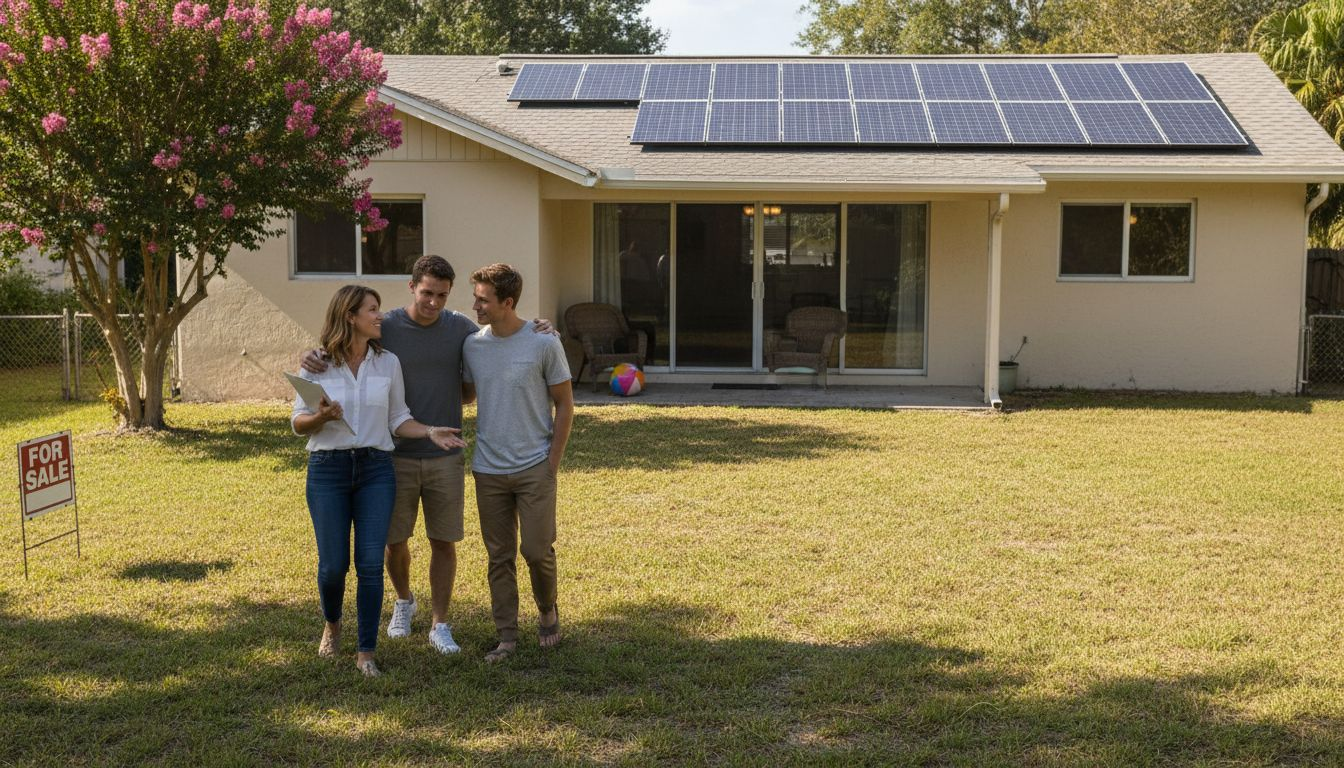
Homes and commercial properties with solar installations command higher market prices. Buyers actively seek energy-efficient properties that promise lower operating costs. This premium reflects the long-term value solar systems provide, making your property more attractive in competitive real estate markets.
3. Access to generous tax incentives and rebates
Florida offers solar incentives boosting savings and property value. The federal Investment Tax Credit allows you to deduct 30% of installation costs from your taxes in 2026. Combined with state programs and utility rebates, these incentives significantly reduce your net investment.
4. Measurable environmental impact
Every kilowatt-hour your solar system generates displaces fossil fuel electricity. Over 25 years, a typical residential system prevents tons of carbon dioxide emissions, equivalent to planting thousands of trees. You contribute directly to cleaner air and reduced climate impact.
5. Enhanced energy independence
Solar systems, especially when paired with battery storage, provide resilience during Florida’s hurricane season and grid disruptions. You maintain power for essential appliances and comfort when neighbors face outages. This independence offers peace of mind and practical security.
6. Minimal maintenance requirements
Modern solar panels require virtually no upkeep beyond occasional cleaning and annual inspections. With no moving parts and 25-year warranties, your system operates reliably with minimal intervention. This hands-off benefit makes solar ideal for busy homeowners and business operators.
7. Community and environmental leadership
By adopting solar, you demonstrate commitment to sustainable practices and inspire neighbors to follow. Your visible investment in renewable energy contributes to Florida’s transition toward cleaner power generation, benefiting everyone through reduced pollution and grid strain.
Pro Tip: Combining solar panels with battery storage maximizes your energy independence and ensures power availability during outages, a critical consideration during Florida’s storm season.
| Benefit Category | Estimated Annual Value | Payback Period |
|---|---|---|
| Energy bill savings | $1,200 to $2,400 | 6 to 9 years |
| Property value increase | $15,000 to $25,000 | Immediate |
| Tax incentives | 30% of system cost | Year 1 |
| Environmental impact | 3 to 4 tons CO2 avoided | Ongoing |
These benefits work together to create compelling financial and environmental returns. When you lower your energy bills while increasing property value and supporting sustainability, solar becomes one of the smartest investments available to Florida property owners. Understanding these key solar power advantages helps you recognize why adoption rates continue climbing across the state.
Comparing renewable energy options in Florida
While solar dominates Florida’s renewable energy landscape, understanding alternative options helps you make the most informed decision. Solar, wind, and geothermal each offer distinct characteristics, but Florida’s climate and infrastructure strongly favor solar installations.
Solar energy leads in practicality and cost-effectiveness for several reasons. Florida’s abundant sunshine provides consistent energy generation year-round. Installation costs have dropped dramatically over the past decade, making solar accessible to most property owners. State and federal incentives specifically support solar adoption, improving financial returns.
Wind energy faces significant limitations in Florida. The state lacks consistent strong winds needed for efficient turbine operation. Coastal areas experience seasonal winds, but residential wind turbines remain expensive and produce limited output. Permitting challenges and neighborhood restrictions further complicate wind installations.
Geothermal systems offer heating and cooling efficiency but require substantial upfront investment. Installation involves drilling deep wells, which costs significantly more than solar panels. Florida’s geology and water table conditions can complicate geothermal projects. While effective for temperature control, geothermal doesn’t generate electricity like solar.
Solar is the most practical and cost-effective renewable energy source for Florida’s climate and energy market. The combination of high solar radiation, declining equipment costs, and robust incentive programs creates unmatched value for property owners.
Pro Tip: Evaluate your property’s specific sun exposure, roof condition, and energy needs before selecting a renewable energy system to ensure optimal performance and returns.
| Energy Source | Average Installation Cost | Annual Output | Florida Suitability |
|---|---|---|---|
| Solar panels | $15,000 to $25,000 | 10,000 to 15,000 kWh | Excellent |
| Wind turbines | $30,000 to $50,000 | 3,000 to 6,000 kWh | Poor |
| Geothermal | $20,000 to $35,000 | Heating/cooling only | Moderate |
This comparison reveals why solar installations outnumber other renewable options by a wide margin in Florida. The state’s natural advantages for solar generation, combined with mature installation infrastructure and competitive pricing, make it the clear choice for most residential and commercial properties.
Choosing the right renewable energy solution for your Florida property
Making the transition to renewable energy requires careful planning and informed decision-making. Following a structured approach ensures you select the optimal system for your specific needs and maximize your investment returns.
Step 1: Assess your energy consumption and property characteristics
Review 12 months of utility bills to understand your usage patterns. Evaluate your roof’s orientation, angle, and shading. South-facing roofs with minimal shade deliver the best solar performance. Consider future energy needs like electric vehicles or home additions.
Step 2: Research available incentives and financing options
Identify federal tax credits, state programs, and utility rebates applicable to your situation. Explore financing options including cash purchase, solar loans, and power purchase agreements. Calculate net costs after incentives to determine true investment requirements.
Step 3: Select appropriate system size and technology
Work with qualified installers to design a system matching your energy goals. Decide whether to offset 100% of usage or a smaller percentage. Choose between standard panels and premium options based on efficiency needs and budget. Consider battery storage for backup power.
Step 4: Verify installer credentials and warranties
Research installer experience, certifications, and customer reviews. Confirm licensing and insurance coverage. Review equipment warranties (typically 25 years for panels, 10 years for inverters) and workmanship guarantees. Get multiple quotes for comparison.
Step 5: Schedule installation and establish maintenance plan
Coordinate installation timing with permitting and utility interconnection processes. Understanding the solar panel installation process helps set realistic expectations. Establish a simple maintenance schedule for cleaning and inspections.
Pro Tip: Working with reputable local providers experienced in Florida regulations streamlines permitting, ensures code compliance, and provides reliable long-term support for your solar investment.
This systematic approach reduces uncertainty and positions you for successful solar adoption. By addressing each step thoroughly, you avoid common pitfalls and create a solid foundation for decades of renewable energy benefits.
Explore expert solar solutions for Florida homeowners and businesses
Now that you understand the compelling benefits and practical steps for renewable energy adoption, taking action becomes the natural next step. ProE Solar specializes in helping Florida property owners navigate the solar installation process with confidence and expertise.
Our team brings years of Florida-specific experience to every project, ensuring your system design maximizes savings while meeting all regulatory requirements. We guide you through the complete solar panel installation process, from initial assessment through final activation. Our comprehensive resources explain Florida solar incentives in detail, helping you capture every available dollar. Whether you need residential or commercial solutions, our solar installation steps guide provides the clarity and support you deserve throughout your renewable energy journey.
FAQ
What is the average payback period for solar panels in Florida?
The average payback period ranges from 6 to 9 years depending on system size and energy usage. Factors influencing this duration include your electricity consumption, available incentives, system cost, and utility rates. Higher energy users typically see faster payback due to greater savings. After the payback period, you enjoy decades of essentially free electricity from your solar system.
Are there any maintenance requirements for solar panels in Florida?
Modern solar panels require minimal maintenance, typically just annual cleaning and periodic inspections. Florida’s frequent rain naturally cleans panels, though occasional manual cleaning removes stubborn debris. Annual professional inspections verify system performance and identify potential issues early. With no moving parts, solar panels operate reliably for 25+ years with minimal intervention.
Can installing solar panels increase my property value in Florida?
Homes with solar panels show increased property value due to energy savings and sustainability appeal. Buyers recognize the financial benefit of reduced electricity bills and view solar as a premium feature. Studies indicate solar installations add $15,000 to $25,000 to home values in Florida. This value boost often exceeds the net system cost after incentives, creating immediate equity gains.
