
Finding ways to cut energy costs and increase your home’s value feels smart, especially in Florida where sunshine is plentiful. Solar panel installations make a difference, but solar system monitoring takes your investment further. By tracking real-time data on production and performance, you gain insight to optimize energy use, catch problems early, and manage savings confidently. This guide highlights how monitoring empowers Florida homeowners to get the most from their solar setup.
Table of Contents
- What Is Solar System Monitoring?
- Types Of Monitoring Solutions For Homes
- How Monitoring Enhances Solar Performance
- Costs, Risks, And Mistakes To Avoid
- Optimizing Savings And Maintenance In Florida
Key Takeaways
| Point | Details |
|---|---|
| Real-Time Monitoring | Solar system monitoring provides real-time data on energy production and usage, helping homeowners optimize energy consumption. |
| Early Fault Detection | Monitoring alerts detect issues early, allowing for timely repairs and preventing significant energy loss. |
| Environmental Impact Awareness | Regular monitoring helps track environmental factors that affect system performance, enabling proactive maintenance. |
| Savings Maximization | Data-driven decisions from monitoring can lead to smarter energy use and increased savings on utility bills. |
What Is Solar System Monitoring?
Solar system monitoring tracks your solar panels and inverter in real time, showing exactly how much energy your system produces and uses. Think of it like a dashboard for your home’s solar setup. It displays everything happening with your panels, from the moment the sun hits them until the electricity powers your lights and appliances.
Real-time data collection forms the backbone of monitoring. Your system gathers information on solar irradiance (how strong the sun is), voltage, current, and temperature throughout the day. This continuous observation of photovoltaic systems allows you to see performance minute by minute, not just monthly estimates.
Here’s what a typical monitoring system tracks:
- Energy production in watts and kilowatt-hours
- System efficiency and how well panels convert sunlight
- Individual panel performance to spot underperforming units
- Inverter health and operational status
- Environmental conditions like temperature and irradiance levels
- Alert notifications for faults or errors
Why does this matter for Florida homeowners? Your solar system works differently depending on cloud cover, time of year, and weather patterns. Monitoring shows you exactly when your system peaks and when it slows down. This helps you shift energy use—running your washer or charging an electric vehicle—to times when production is highest.
Monitoring systems detect problems early, often before they noticeably impact your energy savings or system lifespan.
Many people install solar and never check their system again. That’s a mistake. Without monitoring, a failed component might go unnoticed for weeks, costing you hundreds in lost production. How real-time data powers savings by identifying issues immediately so you can call for repairs right away.
Your monitoring data also validates your energy bills. You can compare utility charges against your production records to catch billing errors. Over time, this data helps you understand your energy patterns and make smarter decisions about usage and upgrades.
Pro tip: Check your monitoring app at least weekly during the first month after installation to understand your system’s typical output, then you’ll quickly spot when something isn’t working right.
Types Of Monitoring Solutions For Homes
Not all solar monitoring systems work the same way. Florida homeowners have several options, each offering different features and levels of detail. Choosing the right one depends on how much control you want and how involved you like to be with your system.
Inverter-integrated monitoring is the most common choice for residential installations. Your inverter, the device that converts DC power from panels into AC power for your home, comes with built-in monitoring capabilities. This type tracks energy production, system efficiency, and basic performance metrics through a manufacturer’s app or web portal.
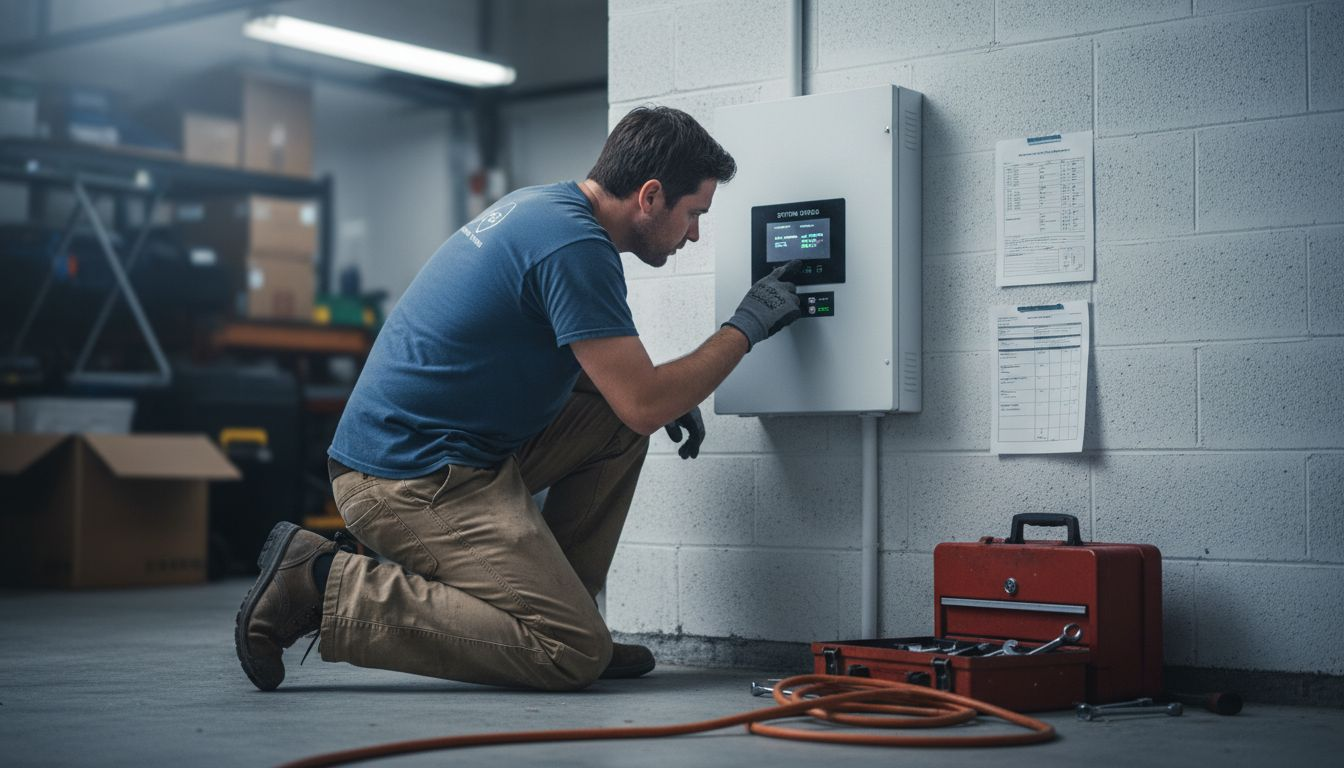
Standalone monitoring systems offer more detailed insights. Dedicated sensors measure voltage, current, and irradiance at multiple points in your system. These devices work independently of your inverter, giving you granular data about individual panel performance and environmental conditions.
Here’s how the main types compare:
Here’s a quick comparison of solar monitoring solution types and their practical benefits for Florida homeowners:
| Solution Type | Detail Level | Installation Complexity | Best For |
|---|---|---|---|
| Inverter-integrated | Basic system output | Simple, usually included | Passive monitoring users |
| Standalone sensors | Advanced, component-level | Requires professional setup | Data-driven optimization |
| IoT-enabled platforms | Real-time, remote alerts | Moderate, app reliant | Remote and mobile users |
| Utility-integrated | Utility-grade analytics | May require coordination | Maximizing incentives |
- Inverter-based systems – Simple setup, included with most modern inverters, good for basic tracking
- Standalone monitoring – More sensors, detailed data, higher upfront cost, requires professional installation
- IoT-enabled platforms – Remote access via smartphone apps, real-time alerts, cloud storage of historical data
- Utility-integrated systems – Shares data with your power company, may offer incentives or time-of-use programs
IoT technology has changed the game for Florida homeowners. Remote monitoring through mobile apps lets you check your system from anywhere—the beach, work, or vacation. You’ll get instant notifications if something goes wrong, allowing you to contact a technician before production drops significantly.
Some advanced systems integrate weather data and use prediction algorithms. They forecast how clouds will affect your output hours in advance, helping you plan when to run major appliances.
The best monitoring solution balances ease of use with the level of detail you actually need and will use.
Many Florida solar installers, including PES Solar, recommend systems that combine inverter data with supplemental sensors for complete visibility. This hybrid approach gives you the simplicity of integrated monitoring plus the detailed insights of standalone devices.
Think about your comfort level with technology. If you prefer passive monitoring—just occasionally checking your production—a basic inverter system works fine. If you’re detail-oriented and want to optimize every aspect, invest in a more comprehensive solution.
Pro tip: Ask your installer which monitoring system they recommend and whether it allows you to set custom alerts for production drops, so you’ll know immediately if performance dips below expected levels.
How Monitoring Enhances Solar Performance
Monitoring doesn’t just track your system—it actively improves how well it works. When you know what your panels are doing every single minute, you can catch problems before they cost you money. Think of monitoring as a real-time health check that keeps your system running at peak efficiency.
Early fault detection is where monitoring saves the most money. A failed inverter, shorted panel, or loose electrical connection might go unnoticed for weeks without monitoring. By then, you’ve lost hundreds in energy production. With monitoring alerts, you spot the issue immediately and call for repairs before significant damage occurs.
Continuous real-time data enables predictive maintenance, meaning your system warns you about potential problems before they happen. AI algorithms analyze patterns in your production data and identify components showing signs of wear or degradation. This proactive approach prevents emergency repairs and extends your system’s lifespan.
Here’s how monitoring boosts performance:
- Detects underperforming panels so technicians can fix or replace them
- Identifies inverter issues that reduce energy conversion efficiency
- Alerts you to wiring problems or loose connections causing power loss
- Tracks environmental impacts like dirt buildup on panels
- Optimizes when you use high-demand appliances based on production peaks
Optimization is the hidden benefit most homeowners don’t expect. Once you see your production patterns, you can shift energy use strategically. Run your air conditioning, pool pump, or electric vehicle charger during peak production hours when you’re generating the most power. This maximizes self-consumption and reduces reliance on grid power.
Monitoring data helps you understand your home’s energy profile so deeply that you can make smarter choices about when to use electricity.
Machine learning algorithms analyze system performance and forecast future conditions with remarkable accuracy. These tools predict cloud cover impacts hours in advance, allowing grid operators and homeowners to adjust operations proactively. For Florida residents, this means better management of seasonal weather variations and hurricane season impacts.
Your monitoring data also validates that your system is delivering the energy savings you expected. You’ll catch billing errors from your utility company and have proof of your actual production. Some Florida utilities offer time-of-use incentives based on monitoring data, letting you earn credits by shifting usage to off-peak hours.
Pro tip: Set up monitoring alerts for daily, weekly, and seasonal baselines so you’ll recognize unusual patterns immediately—sometimes a subtle drop in output signals a problem before it becomes severe.
Costs, Risks, And Mistakes To Avoid
Solar monitoring isn’t free, and neither are the consequences of skipping it. Understanding the real costs and common pitfalls helps you make smart decisions about your system. Most Florida homeowners underestimate both the expenses and the risks of poor monitoring choices.
Hardware and installation costs vary widely depending on which monitoring solution you choose. Basic inverter-integrated monitoring comes built-in with your system at no extra charge. Standalone sensors, IoT platforms with professional installation, and advanced analytics tools can range from $500 to $3,000 upfront. Monthly cloud storage and app subscriptions add $5 to $20 per month.
Beyond dollars, there are real risks. Inadequate sensor placement and poor data quality lead to false readings that make you think your system works fine when it doesn’t. If sensors are installed in shaded areas or facing the wrong direction, they won’t capture accurate irradiance data. This means you miss real problems until they become expensive.
Common mistakes Florida homeowners make:
- Neglecting routine maintenance while relying solely on monitoring alerts
- Ignoring environmental factors like salt spray corrosion near coastal areas
- Choosing monitoring systems with poor user interfaces they’ll never actually check
- Failing to integrate monitoring data with maintenance schedules
- Overlooking cybersecurity risks with cloud-based monitoring platforms
Cybersecurity is a real concern. Your monitoring system connects to the internet and stores energy production data. Weak passwords, unencrypted data transmission, and outdated software leave your system vulnerable to hacking. Attackers could potentially disable your system or access sensitive information about your home’s occupancy patterns.
Data management complexity catches many homeowners off guard. You’ll generate gigabytes of monitoring data monthly. Without proper organization, this data becomes useless. You need clear dashboards, automated alerts, and historical trend analysis to make sense of it all.
The cheapest monitoring system isn’t the best choice if you won’t use it or if it provides inaccurate data.
Many people install monitoring systems and then ignore them because the interface is confusing or the alerts are too frequent. Choose a system with an intuitive app you’ll actually open weekly. Test it before committing to make sure it fits your comfort level.
Avoid these three critical mistakes: installing sensors in poor locations, skipping professional calibration, and neglecting to update your system’s software regularly. Each one reduces data accuracy and increases your risk of missing important issues.
Pro tip: Ask your installer for a written maintenance schedule and monitoring checklist, then review your monitoring data at the same time each week so problems become obvious when they first appear.
Optimizing Savings And Maintenance In Florida
Florida’s climate creates unique opportunities and challenges for solar system savings and maintenance. Your monitoring system becomes even more valuable when you understand Florida-specific factors that affect performance and longevity. Combining smart monitoring with proper maintenance tailored to Florida’s environment maximizes both your financial returns and system lifespan.
Florida’s humidity, salt spray, and intense summer heat work against your panels daily. Regular panel cleaning becomes essential, not optional. Pollen, dust, and salt buildup reduce energy output by 15 to 25 percent over time. Monthly cleaning during the wet season and quarterly cleaning in dry months keeps panels operating at peak efficiency.
Regular maintenance tailored to Florida’s climate includes inspecting for corrosion, especially near coastal areas where salt spray accelerates degradation. Your monitoring system alerts you to production drops that signal cleaning needs. When you see output dip without weather explanation, schedule a professional cleaning rather than climbing a ladder yourself.
Here’s your Florida maintenance checklist:
Use this table to see how Florida’s solar maintenance strategies impact system performance over time:
| Maintenance Task | Frequency | Main Benefit |
|---|---|---|
| Panel cleaning | Monthly (wet), quarterly (dry) | Restores peak sunlight absorption |
| Wiring inspection | Quarterly | Prevents power losses and hazards |
| Inverter fan check | Quarterly | Avoids overheating and failures |
| Battery backup test | Annually, pre-hurricane | Ensures emergency power functions |
- Inspect wiring and connections quarterly for corrosion or looseness
- Clean panels monthly during rainy season, quarterly otherwise
- Check inverter cooling fans for salt spray buildup
- Monitor voltage and current for signs of component failure
- Test battery backup systems (if installed) before hurricane season
- Schedule professional inspections before summer heat peaks
Florida’s electricity rate structure matters more than most states. Net metering policies allow you to bank excess production as credits, but rates vary by utility company and time of use. Monitoring data helps you shift usage to peak production hours, maximizing self-consumption and reducing reliance on expensive peak-rate grid power.
Florida’s solar incentives and net metering policies reward homeowners who monitor their systems and optimize usage patterns.
Advanced monitoring platforms provide data for timely interventions that prevent downtime and keep your system running at maximum capacity. When sensors detect voltage drops or inverter inefficiencies, you can schedule maintenance before failures occur. This proactive approach costs less than emergency repairs and extends component lifespan by years.
Understood your local utility’s time-of-use rates? Some Florida utilities offer cheaper electricity during off-peak hours and premium rates during peak demand. Use your monitoring app to identify when your system produces most power, then schedule energy-intensive tasks—pool pump operation, water heater usage, electric vehicle charging—during those windows. This combination of monitoring insight and strategic timing can reduce your electricity costs by an additional 10 to 20 percent beyond baseline solar savings.
Hurricane season requires special attention. Before June, verify your monitoring system backup power, test emergency shutdowns, and document your system status with photos. After storms, monitoring helps verify damage quickly so you can file insurance claims with accurate data.
Pro tip: Create a maintenance calendar that syncs with Florida’s rainy and dry seasons, then set weekly monitoring reviews on the same day so you’ll catch performance changes immediately and plan maintenance proactively.
Take Control of Your Florida Solar System with Expert Monitoring Solutions
Understanding how crucial real-time solar system monitoring is for maximizing efficiency and preventing costly faults is the first step toward smarter energy management. Florida homeowners face unique challenges such as extreme weather conditions and fluctuating sunlight patterns. Without accurate and detailed monitoring, unnoticed issues can lead to significant energy losses and expensive repairs. Our solutions at PES Solar are designed with these specific needs in mind, providing tailored systems that combine inverter-integrated and standalone sensors for both simplicity and advanced insights.
Protect your investment with:
- Early fault detection to avoid unexpected downtime
- User-friendly interfaces so you’ll actually keep track of your system’s health
- Customized alerts that notify you immediately if your panels are underperforming
- Maintenance support aligned with Florida’s climate challenges
Ready to experience the peace of mind that comes with comprehensive solar monitoring? Visit PES Solar to explore how our expertly designed solar solutions help you safeguard your energy production and maximize savings year-round.
Secure your solar system’s performance today with PES Solar’s advanced monitoring solutions. Schedule your free consultation now and start enjoying the benefits of efficient, reliable solar energy tailored for Florida conditions.
Frequently Asked Questions
What is solar system monitoring?
Solar system monitoring tracks the energy production and usage of your solar panels and inverter in real time, providing insights into the performance and efficiency of your system.
Why is monitoring important for solar systems?
Monitoring is essential as it allows homeowners to detect problems early, optimize energy use based on production patterns, validate energy bills, and ensure that the solar system operates efficiently, ultimately maximizing savings.
What types of solar monitoring solutions are available?
There are various types of monitoring solutions, including inverter-integrated monitoring, standalone sensors, IoT-enabled platforms, and utility-integrated systems, each offering different levels of detail and control for homeowners.
How can monitoring improve solar system performance?
Monitoring enhances solar system performance by enabling early fault detection, optimizing energy usage during peak production hours, and providing data that helps schedule maintenance and cleaning efficiently.
